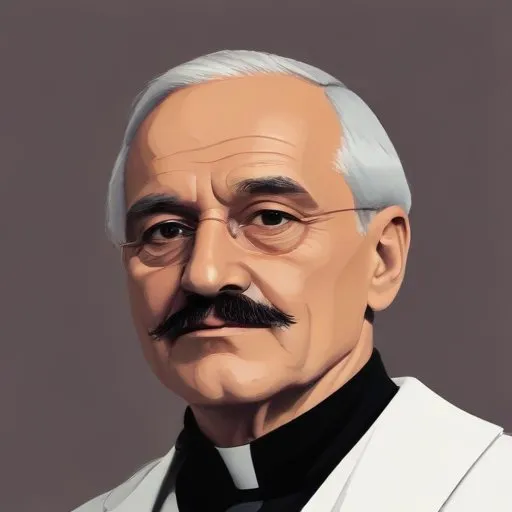
Gero von Wilpert: The German Literary Giant
A Legacy of Scholarship and Authorship
Gero von Wilpert is renowned for his monumental contributions to German literature, leaving an indelible mark on the world of letters. As a seasoned scholar, professor, and prolific author, he crafted an oeuvre that continues to illuminate the realm of literary studies.
Early Life and Education
Born on March 13, 1933, in Tartu, Estonia, Wilpert's life was shaped by the tumultuous events of World War II. Following the Molotov-Ribbentrop Pact, he was forced to flee Estonia, eventually settling in Germany. He pursued his academic aspirations at the University of Heidelberg, where he earned his doctorate and later became a docent.
Academic Pursuits and Pedagogy
Wilpert's academic trajectory was marked by distinction. He held the position of senior lecturer in German at the University of New South Wales and later became Professor of German at the University of Sydney. His pedagogical expertise was recognized through his membership in the Australian Academy of the Humanities.
Lexicographical Masterpieces
Wilpert's magnum opus is his series of encyclopedic works, including the
Sachwörterbuch der Literatur (Dictionary of Literary Terms),
Lexikon der Weltliteratur (Lexicon of World Literature), and
Deutsches Dichterlexikon (German Poets' Lexicon). These comprehensive tomes have become indispensable references for scholars and researchers in the field of literary studies.
Other Notable Works
Wilpert's bibliography boasts an impressive range of publications, including:
- Erstausgaben deutscher Dichtung (First Editions of German Poetry)
- Moderne Weltliteratur (Modern World Literature)
- Deutsche Literatur in Bildern (German Literature in Pictures)
- Schiller-Chronik (Schiller Chronicle)
- Die deutsche Gespenstergeschichte (German Ghost Stories)
- Goethe-Lexikon (Goethe Lexicon)
A Legacy of Erudition
Gero von Wilpert's remarkable body of work has left an enduring impact on the world of literary scholarship. His tireless efforts have illuminated the complexities of German literature, providing successive generations of scholars with a rich foundation for further exploration. His legacy continues to inspire and educate, cementing his position as a titan in the realm of literary studies.
Personal Milestones and Key Life Events
Wilpert's life was marked by significant events that shaped his intellectual journey. His forced exile from Estonia, his academic pursuits in Germany, and his later relocation to Australia all contributed to his growth as a scholar and author.
Influence on Modern Society
Wilpert's contributions have transcended the academic realm, influencing the broader cultural landscape. His works have informed and enriched the understanding of German literature, fostering a deeper appreciation for the literary heritage of Germany and beyond.
Career Highlights and Major Works
Throughout his illustrious career, Wilpert has been recognized for his outstanding achievements. His memberships in prestigious academic organizations, such as the Australian Academy of the Humanities, attest to his stature as a scholar and writer.
Philosophical Contributions and Beliefs
Wilpert's work embodies a commitment to rigorous scholarship and a deep respect for the literary traditions he has studied and illuminated. His philosophical approach to literary analysis has inspired generations of scholars, offering a nuanced understanding of the complex relationships between literature, history, and culture.
Personal Relationships and Anecdotes
Though Wilpert's professional life was marked by significant achievements, little is known about his personal relationships and anecdotes. His legacy, however, speaks to a life dedicated to the pursuit of knowledge and the dissemination of erudition.
Impact on Pop Culture
Wilpert's influence on popular culture is more subtle, yet profound. His work has informed and enriched the understanding of German literature, influencing the way we appreciate and engage with literature in the modern era.
Awards and Honors
Throughout his distinguished career, Wilpert received numerous awards and honors, recognizing his outstanding contributions to literary scholarship.
Educational Contributions and Influence
Wilpert's pedagogical expertise has left an indelible mark on the academic community. His teachings have inspired countless students, fostering a deeper appreciation for German literature and its significance in the broader cultural landscape.
Historical Context and Legacy
Gero von Wilpert's life and work are inextricably linked to the tumultuous events of the 20th century. His experiences as a Baltic German, forced to flee Estonia, and his later relocation to Australia, have informed his intellectual journey and shaped his literary contributions.
Comparative Analysis with Contemporaries
Wilpert's work can be seen in the context of his contemporaries, such as other German literary scholars and authors. His unique approach to literary analysis and his comprehensive works have secured his position as a leading figure in the field.
Trivia and Fun Facts
Little-known facts about Wilpert's life and work include his early years as a docent at the University of Heidelberg and his later membership in the Australian Academy of the Humanities.
Predictions and Speculations
As we reflect on Wilpert's remarkable legacy, we can only speculate about the future trajectory of literary scholarship. His work has paved the way for new generations of scholars, inspiring further exploration and discovery in the realm of German literature.
Charitable Work and Social Contributions
Though Wilpert's primary focus was on literary scholarship, his work has had a profound impact on the broader cultural landscape, contributing to a deeper understanding and appreciation of German literature.
Inspirational Stories and Motivations
Gero von Wilpert's life serves as a testament to the power of dedication and perseverance. His remarkable career, marked by significant achievements and overcome challenges, continues to inspire scholars and researchers around the world.
Final Thoughts
As we reflect on the life and work of Gero von Wilpert, we are reminded of the transformative power of knowledge and the enduring impact of a life dedicated to scholarship and authorship. His legacy continues to inspire and educate, a testament to the boundless potential of the human spirit.