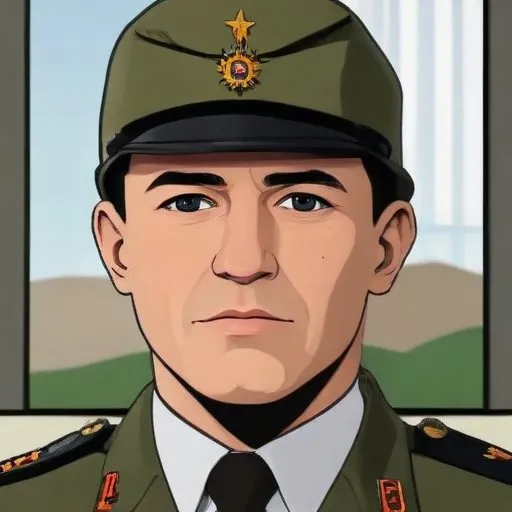
Gerry Fitt: The Visionary Politician and Founder of the Social Democratic and Labour Party
A Life Dedicated to Social Justice and Irish Nationalism
Gerry Fitt, Baron Fitt, is renowned for being the founder and first leader of the Social Democratic and Labour Party (SDLP), a social democratic and Irish nationalist party that played a pivotal role in shaping Northern Ireland's politics. Throughout his illustrious career, Fitt fearlessly advocated for social justice, civil rights, and Irish nationalism, earning him a revered place in the annals of Northern Irish history.
Early Life and Career
Born on April 9, 1926, in Belfast's Lisburn Road Workhouse, Fitt's early life was marked by adoption and rechristening. He was educated at a local Christian Brothers school and later served in the Merchant Navy as a stoker until 1953, witnessing the horrors of war firsthand, including the sinking of HMS Bluebell.
Entry into Politics
Fitt's foray into politics began in 1956 when he stood as a candidate for the Dock Labour Party in a city council byelection, although he lost to Paddy Devlin of the Irish Labour Party. Undeterred, he was elected to Belfast City Council as a member of the Irish Labour Party in 1958. His political career gained momentum in 1962 when he won a Stormont seat from the Ulster Unionist Party, becoming the only Irish Labour member.
The Republican Labour Party and the NICRA
In 1964, Fitt, along with Harry Diamond, formed the Republican Labour Party. This move marked a significant shift in his political ideology, as he began to focus more on Irish nationalism and socialist ideologies. The Northern Ireland Civil Rights Association (NICRA) was launched in 1967, with Fitt serving as a prominent spokesperson for the movement. Through his involvement with NICRA, Fitt fervently advocated for civil rights, highlighting the injustices faced by the Catholic minority in Northern Ireland.
Westminster and the SDLP
Fitt's Westminster debut came in 1966 when he won the Belfast West seat in the UK parliament. This platform enabled him to raise awareness about the problems and issues plaguing Northern Ireland among British MPs. In 1970, Fitt co-founded the Social Democratic and Labour Party (SDLP), which would become a dominant force in Northern Irish politics. As the party's first leader, Fitt played a crucial role in shaping the SDLP's ideology, which emphasized social democracy, Irish nationalism, and civil rights.
Personal Life and Legacy
Gerry Fitt's personal life was marked by tragedy, including the loss of his brother, Geordie, during the Battle of Normandy. He passed away on August 26, 2005, leaving behind a legacy that continues to inspire generations of Northern Irish politicians and social activists.
Impact and Influence
Fitt's contributions to Northern Irish politics and society are immeasurable. He played a pivotal role in shaping the SDLP's ideology, advocated for social justice and civil rights, and fearlessly promoted Irish nationalism. His legacy serves as a testament to his unwavering commitment to creating a more equitable and just society for all.
- Key Life Events:
- Born on April 9, 1926, in Belfast's Lisburn Road Workhouse
- Adopted and rechristened as Gerard Fitt
- Served in the Merchant Navy as a stoker until 1953
- Entered politics in 1956
- Co-founded the Republican Labour Party in 1964
- Co-founded the Social Democratic and Labour Party (SDLP) in 1970
- Passed away on August 26, 2005
Gerry Fitt's remarkable life is a testament to his unwavering dedication to social justice, Irish nationalism, and the betterment of Northern Irish society. His legacy continues to inspire and influence generations of politicians, social activists, and individuals seeking to create a more just and equitable world.
FAQ
What was Gerry Fitts early life and education like?
Gerry Fitt was born on April 9, 1926, in Belfast, Northern Ireland. He was educated at the Christian Brothers School and later served in the British Army during World War II. Fitts early life and education laid the foundation for his future political career.
What were Gerry Fitts most notable political roles?
Gerry Fitt held several notable political roles, including serving as a Member of Parliament for Belfast West and as the leader of the Social Democratic and Labour Party (SDLP). His political career was marked by his commitment to social justice and his efforts to promote peace and reconciliation in Northern Ireland.
How did Gerry Fitts experience in the military influence his political views?
Gerry Fitts experience in the British Army during World War II had a significant impact on his political views, as it exposed him to the harsh realities of war and the importance of promoting peace and reconciliation. This experience informed his later political career, which focused on promoting social justice and peaceful resolution to conflict.
What awards and recognition did Gerry Fitt receive?
Gerry Fitt received several awards and honors for his political contributions, including the Nobel Peace Prize nomination in 1979. His work continues to be celebrated for its commitment to social justice and its impact on the politics of Northern Ireland.
How has Gerry Fitts legacy been preserved?
Gerry Fitts legacy has been preserved through the continued appreciation of his political contributions and his commitment to promoting peace and reconciliation. His work remains an important part of Northern Irelands political history, and his legacy continues to inspire future generations of politicians and activists.