


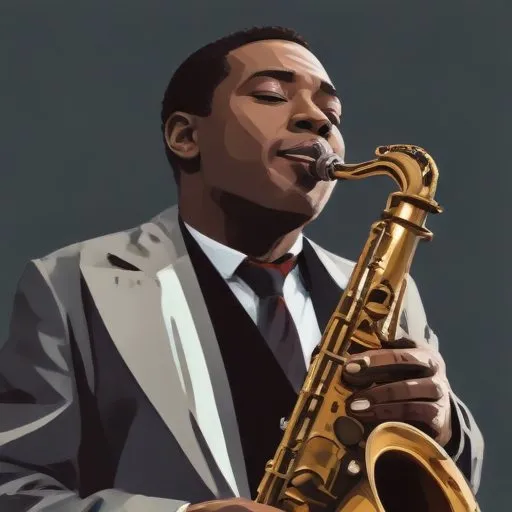
Led a popular big band, the Casa Loma Orchestra, known for their sweet and melodic sound, and hit songs like "No Name Jive" and "Sunrise Serenade".
Glen Gray was an American jazz saxophonist and leader of the Casa Loma Orchestra, a popular big band that dominated the swing era of the 1930s and 1940s. With his smooth and rich saxophone sound, Gray led the Casa Loma Orchestra to become one of the most beloved and enduring bands of its time.
Born as Glenn Gray Knoblauch on June 7, 1900, in Roanoke, Illinois, Gray grew up in a family of modest means. His father, a saloon keeper and railroad worker, died when Gray was just two years old, leaving his mother to raise him and his older sister. Gray's mother later remarried, and the family moved to Roanoke, where Gray developed a passion for music.
In the early 1920s, Gray attended the American Conservatory of Music but left after his first year to pursue a career in music. He played with several orchestras in Detroit, Michigan, before joining the Casa Loma Orchestra, a collective group of musicians that had been formed in the late 1920s.
Gray's leadership and saxophone skills soon made him an integral part of the orchestra, and in 1937, the band members overwhelmingly voted for Gray to become the leader of the Casa Loma Orchestra. Under his direction, the band's popularity soared, and they became a regular feature on the popular radio show, the Camel Caravan.
With Gray at the helm, the Casa Loma Orchestra recorded numerous hits, including "Smoke Rings," which became their signature tune. The band's smooth, melodic sound and Gray's soulful saxophone playing captivated audiences across the United States, earning them a spot as one of the top big bands of the swing era.
In the mid-1940s, Gray eventually owned the Casa Loma Orchestra, and by the 1950s, he had retired to Massachusetts, where he continued to lead a studio orchestra, recording several albums for Capitol Records. Gray's legacy as a jazz saxophonist and leader of the Casa Loma Orchestra has endured, with many of his recordings remaining popular to this day.
Glen Gray's contributions to jazz and popular music are undeniable. His saxophone playing and leadership of the Casa Loma Orchestra helped to shape the sound of the swing era, influencing countless musicians and bandleaders.
Moreover, Gray's music has been featured in numerous films, television shows, and documentaries, introducing his music to new generations of listeners.
"Music is the language of the soul. It has the power to bring people together and make them forget their troubles." - Glen Gray
These words, spoken by Gray in a 1940s interview, reflect his passion for music and his commitment to creating music that would bring joy to others.
Glen Gray's life and career spanned a tumultuous period in American history, from the Great Depression to World War II. Despite the challenges of the era, Gray's music brought comfort and hope to millions of people, and his legacy continues to inspire musicians and music lovers today.
In conclusion, Glen Gray's life and career serve as a testament to the power of music to bring people together and transcend time. His contributions to jazz and popular music remain unparalleled, and his legacy will continue to inspire future generations of musicians and music enthusiasts.
Born in 1910
A virtuosic clarinetist and innovative bandleader, he revolutionized the swing era with his unique sound and iconic hits like "Begin the Beguine" and "Stardust".
Born in 1909
A virtuosic clarinetist and bandleader, known as the "King of Swing," who revolutionized jazz music with his energetic and sophisticated style, leading a racially integrated orchestra in the 1930s.
Born in 1899
A legendary jazz pianist, composer, and bandleader who revolutionized the genre with his unique style and iconic compositions, such as "Take the A Train" and "Mood Indigo".
Born in 1904
A legendary jazz pianist and bandleader who led a iconic orchestra, blending swing and blues to create a unique sound that influenced generations of musicians. Known for his distinctive "less-is-more" style and hits like "April in Paris" and "One O'Clock Jump".
Born in 1904
A legendary trombonist, composer, and bandleader who led one of the most popular big bands of the 1930s and 1940s, creating iconic hits like "In the Mood" and "Moonlight Serenade".
Born in 1912
A renowned saxophonist, composer, and bandleader, known for his iconic big band sound and hits like "Sentimental Journey" and "My Heart Belongs to Daddy".
Born in 1904
A renowned saxophonist, composer, and bandleader of the Big Band era, known for his smooth, melodic sound and hit songs like "I'll Never Smile Again" and "Green Eyes".
Born in 1905
A legendary trombonist, composer, and bandleader of the Big Band era, known for his smooth, melodic style and iconic hits like "I'll Never Smile Again" and "Opus No. 1".
