


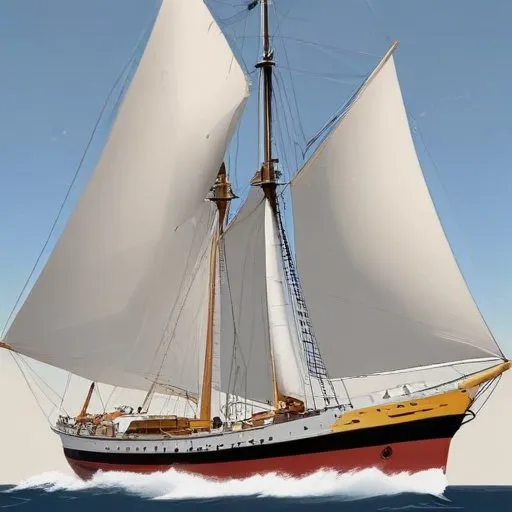
A German author and poet, known for his vivid descriptions of life at sea and his influence on the development of modern German literature. His works are considered classics of German literature.
Gorch Fock, the pseudonym of Johann Wilhelm Kinau, is renowned for his poignant and evocative portrayals of life as a deep-sea fisherman on the Elbe island of Finkenwerder. His seminal work, Seefahrt ist Not, is a testament to his unique voice and perspective, offering a glimpse into the harsh realities of the sea and the lives of those who brave its fury.
Born on August 22, 1880, in Finkenwerder, Gorch Fock was the eldest child of fisherman Heinrich Wilhelm Kinau and his wife, Metta Holst. Growing up amidst the ocean's rhythms and the community of fishermen, Fock's early life was marked by a deep connection to the sea. This connection would later inform his writing, imbuing his work with a sense of authenticity and authority.
Fock's literary career began in 1904, when he started publishing poetry and stories in his native Low German dialect. His work was characterized by its lyricism, depth, and emotional resonance, earning him recognition and acclaim in literary circles. Seefahrt ist Not, published in 1913, cemented his reputation as a masterful storyteller and poet, capturing the essence of life on the high seas.
Fock's life was cut short when he was drafted into the German infantry in 1915 during World War I. He fought in Serbia, Russia, and Verdun, before requesting a transfer to the German Navy in 1916. Tragically, he died in the Battle of Jutland, when the light cruiser SMS Wiesbaden was sunk. His body was later found on the Swedish shore, along with a poem he had written, Letzter Wunsch, which eerily predicted his own demise.
Gorch Fock's work has left an indelible mark on German literature, inspiring generations of writers and poets. His unique voice and perspective have captivated readers, offering a glimpse into a world that was both familiar and foreign. His poetry and stories continue to be celebrated for their emotional depth, lyricism, and sense of place.
Gorch Fock's life and work serve as a testament to the power of literature to capture the human experience. His poetry and stories continue to inspire and captivate readers, offering a glimpse into a world that was both beautiful and brutal.
Born in 1876
A German naval leader who played a key role in the Kriegsmarine during World War II, overseeing the German U-boat fleet and naval operations. He was a close advisor to Adolf Hitler and implemented the German naval strategy during the war.
Born in 1891
A German naval commander who led the U-boat fleet during World War II and briefly served as President of Germany after Hitler's death, known for his role in the war and its aftermath.
Born in 1877
A renowned poet, novelist, and painter, celebrated for his thought-provoking and introspective works that explore the human condition, spirituality, and the search for meaning. His writings often blended elements of psychology, philosophy, and mysticism.
Born in 1898
A German-Swiss soldier and author, best known for writing the classic novel "All Quiet on the Western Front", a powerful anti-war tale that vividly depicts the horrors of World War I.
Born in 1875
A visionary poet and novelist who explored the human condition through lyrical and philosophical works, delving into the mysteries of existence, love, and the self.
Born in 1897
A mastermind of Nazi propaganda, he crafted a persuasive narrative that fueled the Third Reich's rise to power, leaving a lasting impact on the world.
Born in 1886
Austrian-American author and poet, known for his novels that explored the decay of values in modern society, particularly in his masterpiece "The Death of Virgil".
