


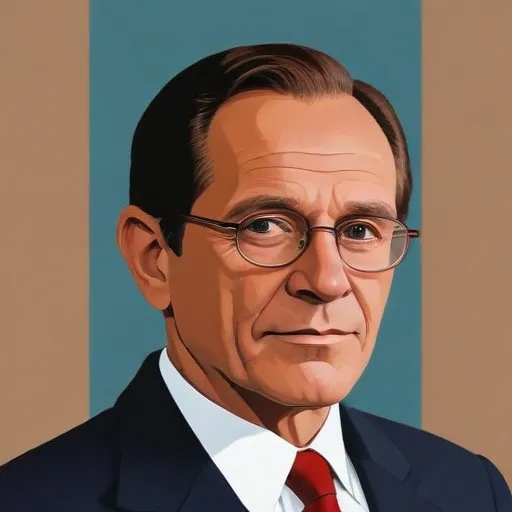
A pioneering sociologist who explored the intersection of religion, politics, and war, shedding light on the Catholic Church's role in Nazi Germany and the morality of war.
Gordon Zahn, a renowned American sociologist, professor, and author, is best known for his unwavering commitment to pacifism and his tireless efforts to promote conscientious objection to war. Through his groundbreaking research and writings, Zahn shed light on the often-overlooked role of conscientious objectors in war and their struggle for recognition and acceptance.
Born Gordon Charles Paul Roach on August 7, 1918, in Milwaukee, Wisconsin, Zahn's early life was marked by a sense of uncertainty and flux. His parents, unwed at the time of his birth, later married, and Zahn took his stepfather's last name. This unconventional beginning would later influence his perspectives on social norms and institutions.
During World War II, Zahn refused to participate in the war effort, instead choosing to serve as a conscientious objector in a Civilian Public Service (CPS) camp established by the Catholic Worker Movement. This experience not only deepened his convictions but also instilled in him a sense of purpose and community. Later, Zahn transferred to Rosewood State Training School in Maryland, where he worked alongside developmentally disabled individuals, further broadening his understanding of social justice.
Following the war, Zahn pursued higher education, earning his PhD from The Catholic University of America. His academic career took him to Loyola University Chicago, where he taught and conducted research, and later to the University of Massachusetts Amherst, where he continued to explore the intersections of sociology, pacifism, and conscience.
Zahn played a pivotal role in shaping the Second Vatican Council's stance on warfare, particularly through his involvement in the development of Schema 13. Through his connections with Abbot Cuthbert Butler, OSB, and Archbishop Thomas Roberts, Zahn contributed to the Council's eventual denunciation of weapons of mass destruction and recognition of conscientious objectors.
Zahn's authored works, including Military Chaplains and German Catholics and Hitler's Wars, offered a unique perspective on the relationships between conscience, war, and society. His research delved into the experiences of RAF chaplains and German Catholics during World War II, providing valuable insights into the complexities of human decision-making in the face of conflict.
Gordon Zahn's legacy extends far beyond his academic pursuits and writings. His unwavering commitment to pacifism and conscientious objection has inspired generations of scholars, activists, and individuals seeking to promote peace and social justice. Through his tireless efforts, Zahn has left an indelible mark on our understanding of the human experience in the face of war and conflict.
Gordon Zahn's remarkable life and work serve as a testament to the power of conviction, compassion, and intellectual curiosity. His contributions to the fields of sociology, pacifism, and conscientious objection continue to inspire and educate, ensuring his legacy will endure for generations to come.
Born in 1916
A pioneering sociologist who coined the term "power elite" and wrote influential books on social structure, criticizing the concentration of power and wealth in modern societies.
Born in 1910
Developed the concept of "self-fulfilling prophecy" and coined terms like "role model" and "unintended consequences," greatly influencing sociology and social psychology.
Born in 1902
Developed the social action theory, which explores how individuals interact with their social environments, and is known for his work on the sociology of medicine and the professions.
