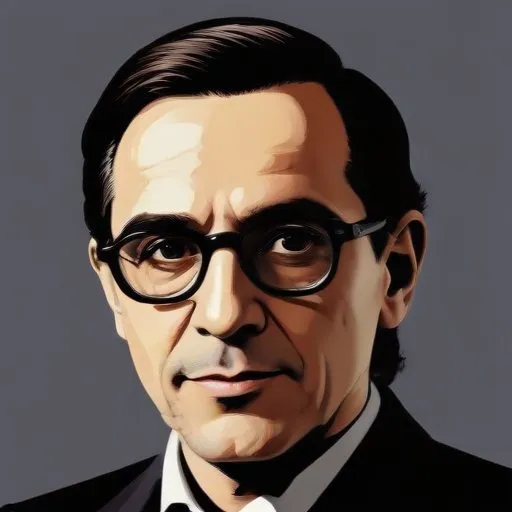
Gregory La Cava: The Visionary Film Director Behind Classic Comedies
A Master of Comedy and Satire
Gregory La Cava is renowned for directing some of the most iconic comedies of the 1930s, including
My Man Godfrey and
Stage Door, earning him two Academy Award nominations for Best Director. With a career spanning over three decades, La Cava left an indelible mark on the film industry, showcasing his mastery of satire and wit.
Early Life and Animation Career
Born on March 10, 1892, in Towanda, Pennsylvania, La Cava grew up in Rochester, New York, where his father worked as a shoemaker. He developed an interest in art and journalism, reporting for the Rochester Evening News and studying at the Art Institute of Chicago. La Cava's artistic talents led him to the Art Students League, where he honed his skills alongside fellow students, including Grim Natwick, who would later gain fame at Disney.
From Animation to Live-Action Films
La Cava's career in animation began around 1913, when he started working at the Barr Studio. By 1915, he was animating on the Animated Grouch Chasers series and soon became the head of International Film Service, a studio created by
William Randolph Hearst to promote his newspaper comics. During this period, La Cava developed a unique style, blending humor and satire, which would eventually define his live-action films.
Rise to Fame: The 1930s
La Cava's transition to live-action films in the late 1920s marked the beginning of his most successful period. With
My Man Godfrey (1936) and
Stage Door (1937), he cemented his reputation as a master of comedy and social satire. Both films received critical acclaim and earned La Cava two Academy Award nominations for Best Director.
Impact and Legacy
Gregory La Cava's influence on American comedy is undeniable. His films continue to entertain audiences, offering a glimpse into the social commentary and wit of the 1930s. La Cava's legacy extends beyond his own work, inspiring generations of filmmakers and comedians.
Personal Life and Milestones
La Cava was known for his whimsical nature and love of eccentricity. He was a member of the prestigious Bohemian Club, a private club in San Francisco, and enjoyed collecting rare books and antiques. La Cava passed away on March 1, 1952, leaving behind a body of work that continues to delight audiences.
Quotes and Memorable Sayings
- "I believe in making pictures that are entertaining, but also have something to say."
- "Comedy is not just about laughter; it's about revealing the human condition."
Career Highlights and Major Works
- My Man Godfrey (1936)
- Stage Door (1937)
- Primrose Path (1940)
- Ladies in Retirement (1941)
Awards and Honors
- Two Academy Award nominations for Best Director
- Star on the Hollywood Walk of Fame
Historical Context and Legacy
Gregory La Cava's work is a testament to the golden age of American comedy. His films continue to inspire new generations of comedians, writers, and directors, solidifying his place as one of the most influential filmmakers of the 20th century.
FAQ
What is Gregory La Cava best known for?
Gregory La Cava is best known for his work as a director, producer, and screenwriter in Hollywood during the 1930s and 1940s, producing classic comedies and dramas that often featured strong female leads.
What is Gregory La Cavas most famous film?
La Cavas most famous film is My Man Godfrey, a screwball comedy starring Carole Lombard and William Powell, which was nominated for six Academy Awards and won one.
How did Gregory La Cavas background influence his filmmaking style?
La Cava started his career as a newspaper cartoonist and later worked in animation, which influenced his visual style and comedic sensibilities. This background helped him create witty, fast-paced films that delighted audiences.
What was Gregory La Cavas approach to directing actresses?
La Cava was known for his ability to elicit strong performances from actresses, often creating complex, independent female characters that were ahead of their time. He worked with many leading ladies, including Carole Lombard, Katharine Hepburn, and Ingrid Bergman.
What was Gregory La Cavas relationship with the Hollywood studios?
La Cava worked with several major studios, including Paramount and RKO, but often clashed with studio executives over creative control and budget issues. Despite these challenges, he managed to produce a string of successful films that remain beloved today.