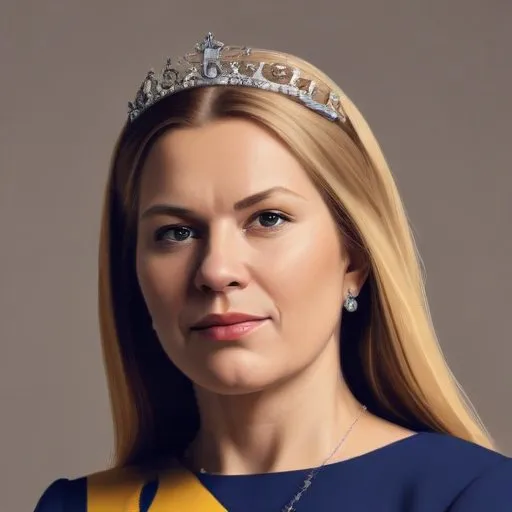
Gunilla Bielke: The Influential Queen of Sweden
A Political Adviser and Royal Consort
Gunilla Bielke is renowned as the second wife of King John III of Sweden, serving as his queen from 1585 until her untimely death in 1597. Noteworthy for her significant influence on the king's religious policies, she played a crucial role in shaping Sweden's Protestant identity during her tenure as queen.
Early Life and Royal Upbringing
Born on June 25, 1568, Gunilla Bielke was the daughter of Johan Axelsson Bielke, a cousin of King John III, and Margareta Axelsdotter Posse. Following the early demise of her parents, she was taken under the royal court's wing at the age of 10, where she formed close bonds with the king's daughter, Anna.
Rise to Royalty
In 1582, Gunilla was appointed as a maid of honor to Queen Catherine Jagellon. Her ascendancy to royalty began when King John III chose her as his next consort in 1585, following the death of his first queen. This decision was largely attributed to the king's fascination with her beauty, as he sought a stunning companion rather than a foreign princess.
A Beauty of Her Time
Contemporaries described Gunilla as a ravishing blonde, although her portraits are considered too stylized to accurately reflect her appearance. The king's attraction to her physical beauty was undeniable, and he openly acknowledged it as the reason for their marriage.
Influence on Royal Policies
As queen, Gunilla's counsel played a significant role in shaping the king's religious policies, swaying him towards Protestantism. Her influence extended beyond the realm of religion, as she also participated in state affairs and provided crucial support to her husband during times of turmoil.
Personal Milestones and Key Life Events
- 1585: Marries King John III of Sweden, becoming the queen consort
- 1590s: Exerts significant influence on the king's religious policies, favoring Protestantism
- 1597: Passes away on July 19, leaving behind a legacy of political acumen and beauty
Legacy and Historical Context
Gunilla Bielke's tenure as queen marked a significant period in Swedish history, as she navigated the complex web of royal politics and religious upheaval. Her influence on King John III's policies contributed to the consolidation of Protestant power in Sweden, leaving an indelible mark on the nation's religious identity.
A Comparative Analysis with Contemporaries
Gunilla Bielke's rise to royalty shares parallels with that of her contemporaries, Margareta Leijonhufvud and
Katarina Stenbock, who also navigated complex royal relationships to secure their positions. However, Gunilla's unique blend of beauty, intelligence, and political acumen set her apart as a distinct figure in Swedish history.
Trivia and Fun Facts
- Gunilla initially refused the king's proposal, leading to a dramatic confrontation where he slapped her with his gloves.
- Her family pressured her into accepting the king's proposal, solidifying her position as queen consort.
Conclusion
Gunilla Bielke's remarkable life serves as a testament to the power of intelligence, beauty, and political savvy in navigating the intricate world of royal politics. Her enduring legacy continues to inspire, offering a fascinating glimpse into the complexities of 16th-century Swedish history.
FAQ
Who did Gunilla Bielke marry?
Gunilla Bielke married John, Duke of Östergötland, and later became Queen of Sweden through her marriage to John III of Sweden.
What was Gunilla Bielkes role as Queen of Sweden?
As Queen of Sweden, Gunilla Bielke played a supporting role to her husband, John III, and was involved in various charitable and cultural activities, earning her a reputation as a kind and generous queen.
How did Gunilla Bielkes marriage to John III of Sweden impact her life?
Gunilla Bielkes marriage to John III of Sweden significantly elevated her social status, making her Queen of Sweden and granting her influence and access to the royal court.
What were Gunilla Bielkes relationships with her step-children like?
Gunilla Bielkes relationships with her step-children, including Sigismund III Vasa, were reportedly strained, with some sources suggesting that she favored her own children over her husbands sons.
What is Gunilla Bielkes legacy?
Gunilla Bielkes legacy is that of a queen who played a supportive role to her husband and contributed to the cultural and charitable life of Sweden during the late 16th century.