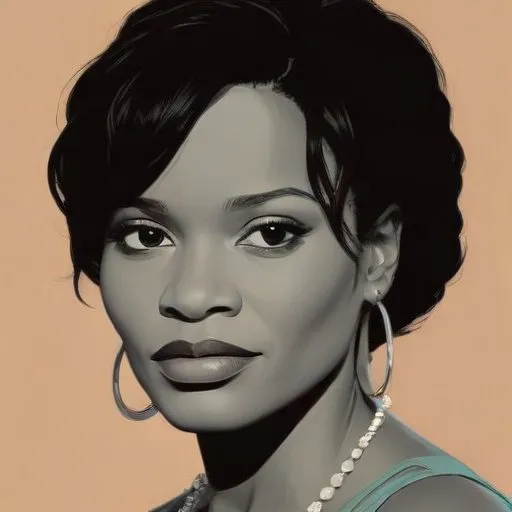
Gussie Davis: The Trailblazing African American Songwriter of Tin Pan Alley
A Pioneering Figure in American Music
Gussie Davis was a renowned American songwriter, composer, and performer, acclaimed as one of the first successful African American music artists of his time. Born in Dayton, Ohio, on December 3, 1863, Davis paved the way for future generations of African American musicians, breaking down racial barriers in the music industry.
Early Life and Musical Training
Despite facing racial discrimination, Davis pursued his passion for music. He applied to the Nelson Musical College in Cincinnati, Ohio, but was rejected due to the color of his skin. Undeterred, he worked as a janitor at the college in exchange for private lessons, demonstrating his unwavering dedication to his craft.
Rise to Fame
Davis's big break came in 1880 with the publication of his first song, "We Sat Beneath the Maple on the Hill." He self-published the song, selling enough copies to recoup his investment and earn a modest profit. This early success sparked a prolific career, with Davis going on to publish numerous songs that garnered attention from music industry professionals, including Cincinnati publisher George Propheter.
Tin Pan Alley and National Recognition
In 1886, Davis joined Propheter in New York City, where he became a key figure on Tin Pan Alley, the epicenter of American popular music. He continued to write and perform, earning national recognition for his talents. In 1895, Davis placed second in a songwriting contest sponsored by the New York World, winning a prize of $500 in gold for his song "Send Back the Picture and the Ring."
Musical Contributions and Legacy
Davis's compositions spanned a range of musical forms, including sentimental ballads, comic minstrel songs, art songs, and choral music. He was particularly renowned for his "tearjerkers," emotive ballads that tugged at the heartstrings. Two of his most famous songs, "Fatal Wedding" (1893) and "In the Baggage Coach Ahead," became huge commercial successes, cementing his status as a master songwriter.
Performing Career and Collaborations
In addition to his songwriting, Davis was a skilled pianist and performer. He toured with minstrel groups, including his own Davis Operatic and Plantation Minstrels, and appeared at prominent venues such as Bergen Star Concerts.
Awards and Honors
Davis's achievements were recognized during his lifetime, with his songs becoming staples of American popular music. He left an indelible mark on the music industry, paving the way for future generations of African American musicians and songwriters.
Personal Milestones and Key Life Events
- December 3, 1863: Born in Dayton, Ohio
- 1880: Published his first song, "We Sat Beneath the Maple on the Hill"
- 1886: Moved to New York City and joined Tin Pan Alley
- 1893: Published his hit song "Fatal Wedding"
- 1895: Placed second in the New York World songwriting contest
- October 18, 1899: Passed away at the age of 35
Impact on Modern Society
Gussie Davis's legacy extends far beyond his impressive musical accomplishments. As a trailblazing African American artist, he helped to break down racial barriers in the music industry, paving the way for future generations of musicians. His contributions to American popular music continue to inspire and influence contemporary artists, ensuring his place in the pantheon of music history.
FAQ
What was Gussie Daviss contribution to African-American music?
Davis was a prolific songwriter, penning many popular songs that reflected the experiences and hopes of African Americans during the late 19th and early 20th centuries.
How did Gussie Daviss early life influence his music?
Born into a family of former slaves, Davis drew on his experiences of racism and oppression to create music that spoke to the struggles and triumphs of African Americans.
What was Gussie Daviss songwriting style like?
Daviss songs often combined elements of blues, gospel, and ragtime, creating a unique sound that reflected the diversity of African-American musical traditions.
How did Gussie Daviss music impact the broader music scene?
Daviss songs were performed by many prominent musicians of the time, including Ma Rainey and Bessie Smith, helping to spread his influence across the music world.
What is Gussie Daviss legacy in African-American music?
Daviss contributions to African-American music have made him a celebrated figure, with his songs continuing to be performed and celebrated today.