


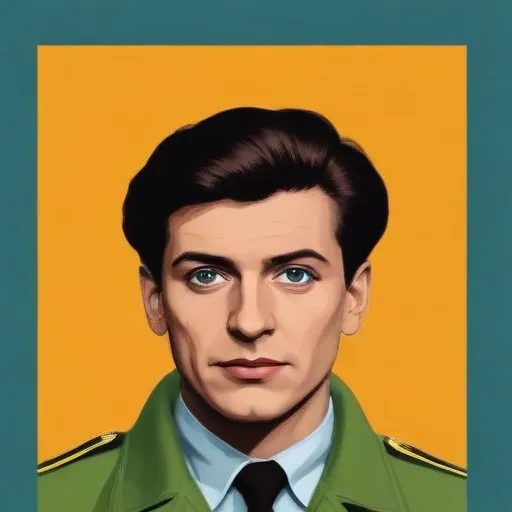
A renowned German actor and director, known for his iconic performances in films like "Mephisto" and his influential work in German theater.
Gustaf Gründgens was one of Germany's most revered and influential actors of the 20th century, leaving an indelible mark on the country's theatrical landscape. With a career spanning over four decades, he was a master of his craft, earning acclaim for his remarkable stage presence and versatility in a wide range of roles.
Born Gustav Heinrich Arnold Gründgens on December 22, 1899, in Düsseldorf, Germany, he was drawn to the world of theater from a young age. After World War I, Gründgens attended the drama school of the Düsseldorfer Schauspielhaus, where he honed his skills before embarking on his journey to become a renowned thespian.
In addition to his work in spoken theater, Gründgens also made a mark in film and cabaret. His most notable role was in Fritz Lang's 1931 film M, which brought him widespread recognition and acclaim.
Gründgens' career has been the subject of controversy due to his continued work during the Nazi regime. While some have accused him of deliberate collaboration, others argue that his actions were a necessary compromise to preserve the integrity of German theater. Despite this, Gründgens remains one of Germany's most celebrated actors, and his contributions to the country's rich cultural heritage are undeniable.
Gründgens' influence on German theater is still felt today, with many actors and directors drawing inspiration from his body of work. His unwavering dedication to his craft and his passion for the art form have left an indelible mark on the country's cultural landscape.
Gründgens' personal life was marked by a romantic relationship with Klaus Mann, with whom he collaborated on numerous projects. He remained private about his personal life, preferring to let his work speak for itself.
Gustaf Gründgens passed away on October 7, 1963, leaving behind a legacy that continues to inspire and influence generations of actors, directors, and theater enthusiasts. His remarkable body of work remains a testament to his boundless talent, dedication, and passion for the art of theater.
Born in 1884
A pioneering actor of the silent film era, known for his powerful, nuanced performances that earned him the first-ever Academy Award for Best Actor.
Born in 1901
A glamorous and androgynous Hollywood icon, known for her sultry voice, striking features, and trailblazing gender-bending style on screen. She mesmerized audiences with her unique blend of European sophistication and American charm.
Born in 1897
A mastermind of Nazi propaganda, he crafted a persuasive narrative that fueled the Third Reich's rise to power, leaving a lasting impact on the world.
Born in 1889
The dictator of Nazi Germany, responsible for the genocide of six million Jews and millions of other people during World War II, and infamous for his extreme nationalist and anti-Semitic ideology.
Born in 1876
A German naval leader who played a key role in the Kriegsmarine during World War II, overseeing the German U-boat fleet and naval operations. He was a close advisor to Adolf Hitler and implemented the German naval strategy during the war.
Born in 1893
A high-ranking Nazi official, he was a decorated World War I fighter pilot and later became a prominent politician, serving as Minister President of Prussia. He's infamous for his role in the Nazi regime and war crimes trials.
