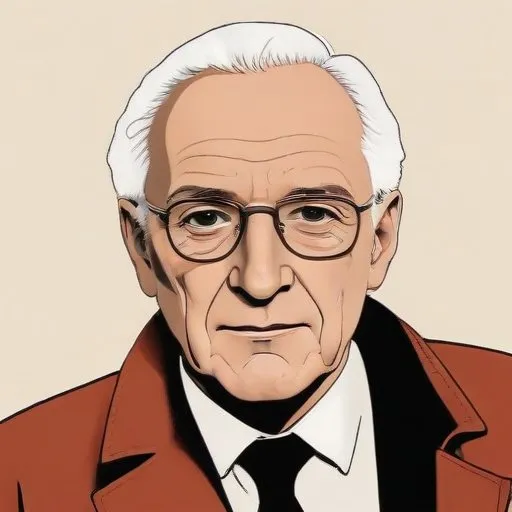
Klaus Mann

Klaus Mann

Klaus Mann was born on November 18th, 1906

Full Name: Klaus Harro Mann
Birthplace: Munich, Germany
Nationality: German-American
Profession: Novelist, Critic
Parents: Thomas Mann, Katia Mann
Siblings: Erika Mann, Golo Mann
Death Date: May 4, 1949
Known For: Mephisto

A German-American writer and critic, known for his novels and short stories that often explored themes of identity, morality, and the human condition, particularly in the context of World War II.

Written by: Cassandra Blake Cassandra Blake

Klaus Mann: The Dissident Writer Who Shone a Light on Nazi Horrors

Best Known For: Exposing the Dark Underbelly of Nazi Germany

Klaus Mann, the son of renowned German writer Thomas Mann, is best known for his scathing critiques of Nazi Germany, most notably in his 1936 novel Mephisto, which exposed the dark underbelly of the Third Reich. As a writer, dissident, and WWII veteran, Mann's work remains a powerful testament to the horrors of the Nazi regime.

Early Life and Family Ties

Born on November 18, 1906, in Munich, Germany, Klaus Mann was the son of Thomas Mann and Katia Pringsheim. His father, a Lutheran, and mother, from a secular Jewish family, instilled in him a deep love for literature and social justice. His uncle, Heinrich Mann, was also a prominent writer. Klaus's close relationship with his sister, Erika Mann, would prove instrumental in his writing career.

Escape to Life: A Seminal Work of Exilliteratur

In 1939, Klaus co-wrote Escape to Life with his sister Erika, a poignant account of their experiences as exiles fleeing Nazi Germany. This seminal work of Exilliteratur (literature written in exile) provided a unique perspective on the war, cementing Mann's reputation as a courageous and unflinching chronicler of his times.

The Turning Point: A Historical Milestone

Published in 1942, The Turning Point is Mann's autobiographical account of his experiences as a gay man in Nazi Germany, his escape to the United States, and his subsequent war efforts. This groundbreaking work remains a crucial primary document of the German intelligentsia's experience during WWII.

Mephisto: A Scathing Critique of Nazi Ambition

Mephisto, Mann's most famous novel, tells the story of an actor who sells his soul to the devil, allegorizing the rise of the Nazi Party. Banned in Western Germany after the war, the novel was adapted into a film in 1981. The book's protagonist, inspired by Mann's former lover Gustaf Gründgens, sparked controversy and was ultimately banned for nearly half a century due to personality rights violations.

A Life of Dissent and Service

After fleeing Nazi Germany, Mann trained in counterintelligence as one of the Ritchie Boys, serving in Europe during WWII. He was among the first outsiders to witness the horrors of the concentration camps, experiences that would haunt him for the rest of his life.

Legacy and Impact

Klaus Mann's writing not only captured the essence of his tumultuous era but also continues to inspire generations of writers, thinkers, and activists. His work serves as a powerful reminder of the dangers of totalitarianism and the importance of speaking truth to power.

Personal Milestones and Key Life Events

Philosophical Contributions and Beliefs

Mann's work reflects his deep commitment to social justice, individual freedom, and the importance of dissent in the face of oppression. His writing serves as a testament to the power of literature to challenge and transform society.

Influence on Modern Society

Klaus Mann's legacy extends beyond his own work, inspiring generations of writers, thinkers, and activists to speak out against injustice and oppression. His writing continues to serve as a powerful reminder of the importance of human rights, social justice, and individual freedom.
Timeline
1906
Born in Munich
Klaus Mann was born in Munich, Germany, to Thomas Mann and Katia Pringsheim Mann.
1933
Family Fled Nazi Germany
Klaus Manns family fled Nazi Germany after his father, Thomas Mann, spoke out against the Nazi regime.
1936
Published Mephisto
Klaus Mann published his novel Mephisto, which was a critical success and established him as a writer in his own right.
1940
Joined US Army
Klaus Mann joined the US Army and served during World War II, eventually becoming a US citizen.
1949
Died in Cannes
Klaus Mann died in Cannes, France, at the age of 42, after struggling with addiction and personal demons.
Klaus Mann

Klaus Mann Quiz

Klaus Mann's literary works often explored themes of

Score: 0/5
FAQ
What was Klaus Manns literary style?
Klaus Manns literary style was characterized by his use of vivid imagery, complex characters, and exploration of themes such as identity, morality, and social justice.
What was Klaus Manns most famous novel?
Klaus Manns most famous novel is Mephisto, published in 1936. The novel is a scathing critique of Nazi Germany and tells the story of an actor who sells his soul to the devil.
What was Klaus Manns relationship with his family?
Klaus Mann was the son of Thomas Mann, a famous German novelist. Klaus had a complex and often tumultuous relationship with his family, which he wrote about in his memoirs and novels.
What was Klaus Manns role in the German Resistance?
Klaus Mann played a significant role in the German Resistance against the Nazi regime. He was an outspoken critic of the regime and worked with other writers and intellectuals to resist Nazi oppression.
What was Klaus Manns later life like?
Klaus Manns later life was marked by personal struggles and declining health. He moved to the United States in the 1950s, where he continued to write and teach until his death in 1949.

Related People:

Thomas Mann

Born in 1875

A renowned literary mastermind, celebrated for crafting complex, psychologically rich novels that probed the human condition, often blending philosophy and art.

Erich Maria Remarque

Born in 1898

A German-Swiss soldier and author, best known for writing the classic novel "All Quiet on the Western Front", a powerful anti-war tale that vividly depicts the horrors of World War I.

Bertolt Brecht

Born in 1898

A pioneering playwright and poet who revolutionized theater with his epic style, blending politics and art to create socially conscious works that continue to influence contemporary drama.

Lion Feuchtwanger

Born in 1884

A prominent German literary figure of the 20th century, known for his historical novels and plays that often explored the human condition, morality, and social justice. His works were widely read and adapted into films and stage productions.

Heinrich Mann

Born in 1871

A prominent literary figure of the early 20th century, known for his socially critical and psychologically nuanced novels that explored the darker aspects of German society. His works often targeted the bourgeoisie and the rise of fascism.

Alfred Döblin

Born in 1878

A Polish-German physician and author who wrote influential novels that explored the human condition, blending psychology, philosophy, and social commentary. His works are considered precursors to magical realism.

Günter Grass

98 Years Old

A renowned German writer and artist, celebrated for his influential and provocative works that explored the human condition, morality, and the complexities of German history and identity.

Hermann Hesse

Born in 1877

A renowned poet, novelist, and painter, celebrated for his thought-provoking and introspective works that explore the human condition, spirituality, and the search for meaning. His writings often blended elements of psychology, philosophy, and mysticism.