


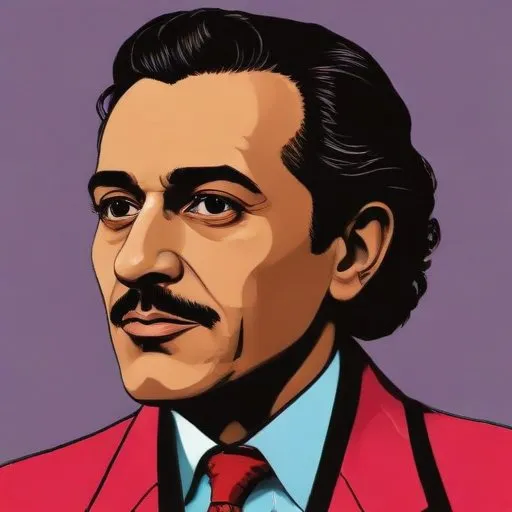
A 19th-century Spanish Romantic writer, poet, and playwright, known for his innovative and expressive style, which explored themes of love, death, and the human condition.
Gustavo Adolfo Bcquer, a renowned Spanish Romantic poet, writer, and playwright, is celebrated for his captivating works that continue to mesmerize readers to this day. His poetry and tales, particularly his iconic Rhymes and Legends, have become an integral part of Spanish literature, earning him a revered place alongside the great Miguel de Cervantes.
Born on February 17, 1836, in Seville, Spain, Gustavo Adolfo Bcquer was the son of a painter, Jos Domnguez Bcquer, who descended from a Flemish family established in Andalusia. This rich cultural heritage would later influence Bcquer's work, as he drew inspiration from the romanticism and postromanticism movements.
Bcquer's writing approach was revolutionary for his time, as he breathed new life into traditional poetry and themes. His work was characterized by a unique blend of modernity and nostalgia, making him the founder of modern Spanish lyricism. His influences, including Cervantes, Shakespeare, Goethe, and Heinrich Heine, are evident in his works, which showcase his mastery of language and form.
Rhymes and Legends, a collection of poems and tales, is considered Bcquer's magnum opus. This seminal work has been a staple of Spanish literature, with its themes of love, beauty, and the human condition continuing to resonate with readers. The collection's significance extends beyond its literary merit, as it has become a cultural touchstone, shaping the way Spaniards understand themselves and their heritage.
Bcquer's impact on Spanish literature extends far beyond his own lifetime. His work has inspired a new generation of poets, including Luis Cernuda, Octavio Paz, Giannina Braschi, Antonio Machado, and Juan Ramn Jimnez. His legacy can be seen in the works of these literary giants, who have drawn upon his themes and styles to craft their own unique voices.
Bcquer's life was marked by a passion for creativity, which extended beyond his literary pursuits. He was an accomplished drawer and painter, skills he inherited from his father. This multifaceted talent allowed him to approach his writing with a unique perspective, infusing his works with a deep understanding of the human experience.
Gustavo Adolfo Bcquer's contributions to Spanish literature have had a profound and lasting impact on the country's cultural heritage. His work continues to be celebrated and studied, inspiring new generations of writers, poets, and artists. As a testament to his enduring legacy, Bcquer's Rhymes and Legends remains an essential part of Spanish literary canon, a timeless masterpiece that continues to captivate readers to this day.
In conclusion, Gustavo Adolfo Bcquer's remarkable body of work has left an indelible mark on Spanish literature. His innovative approach to traditional themes, his mastery of language, and his passion for creativity have cemented his place as one of the most important figures in Spanish literary history.
Born in 1898
A Spanish poet, playwright, and director who explored themes of love, death, and Spanish culture through his works, including the famous play "Blood Wedding".
Born in 1561
A 17th-century Spanish cleric and poet, known for his complex and ornate style, which influenced the development of Spanish literature and poetry. He's credited with creating a new poetic style, known as Culteranismo.
Born in 1547
Author of the timeless classic "Don Quixote", a foundational work of modern Western literature that has shaped the literary canon and influenced countless writers and artists.
Born in 1600
A 17th-century master of Spanish Golden Age theatre, he penned influential plays that explored complex moral themes, earning him a revered place in literary history.
Born in 1843
A renowned Spanish literary figure, known for his influential and insightful novels of manners that explored the social and political landscape of 19th-century Spain. His works are celebrated for their nuanced characterizations and vivid portrayals of everyday life.
Born in 1851
A renowned Spanish writer, critic, and academic, known for his influential novels and essays that explored the human condition, morality, and social issues. His works are considered classics of Spanish literature.
