


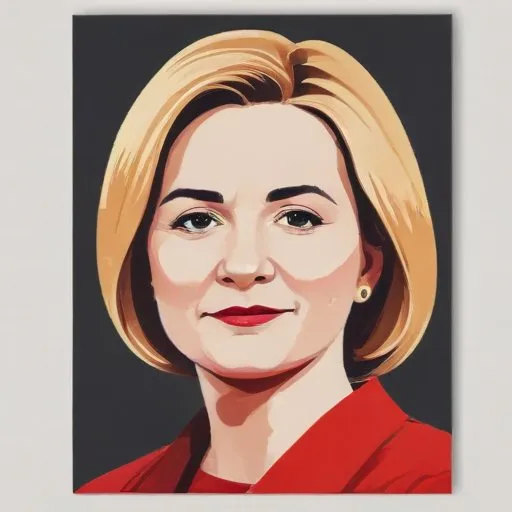
First female Prime Minister of Poland, serving from 1992 to 1993 and known for her efforts to transition the country from communism to democracy.
Hanna Suchocka is a Polish political figure known for her groundbreaking achievements as the first woman to serve as Prime Minister of Poland, a position she held from 1992 to 1993. She is also recognized for her unwavering commitment to human rights and her instrumental role in shaping Poland's post-communist era.
Suchocka was born on April 3, 1946, in Pleszew, Poland, to a Catholic family of chemists. Her grandfather was a university teacher, and her grandmother, Anna, was a member of the first Polish parliament after independence in 1918, during which women gained the right to vote.
Suchocka pursued higher education, earning a law degree and becoming a researcher at the University of Poznań. However, she was fired from her position due to her refusal to join the Communist party. Undeterred, she went on to pursue a Ph.D. in Constitutional Law in West Germany in 1975.
In 1969, Suchocka joined the Democratic Party (SD), a small non-Marxist satellite party, and was elected to the Polish parliament, the Sejm, in 1980. She served until 1985 and was one of the few MPs who refused to vote in favor of martial law in 1981 and the criminalization of Solidarity in 1984.
Despite being suspended from the party or resigning, Suchocka continued to be a vocal advocate for human rights and was re-elected to parliament in 1989 with the support of Solidarity. She later joined the centre-liberal Democratic Union (DU) and was re-elected to parliament in 1991.
In 1992, Suchocka became the first woman to assume the role of Prime Minister of Poland, leading a coalition government. During her tenure, she worked towards stabilizing the Polish economy and implementing democratic reforms.
Suchocka's trailblazing achievements have paved the way for future generations of women in politics. She has been an inspiration to many, demonstrating that women can hold positions of power and make a meaningful impact on their country.
In addition to her political accomplishments, Suchocka has made significant contributions to the field of law and human rights. She has served as a professor at Adam Mickiewicz University in Poznań and has been an active member of the Venice Commission, a European institution that promotes democracy, human rights, and the rule of law.
Hanna Suchocka's remarkable journey is a testament to her unwavering dedication to democracy, human rights, and the advancement of women in politics. Her legacy continues to inspire and motivate individuals around the world.
99 Years Old
A Polish journalist and politician who played a key role in the country's transition from communism to democracy, serving as the first non-communist prime minister since World War II. He's known for his efforts to reform the Polish economy and politics.
72 Years Old
The 3rd President of Poland, a journalist-turned-politician who played a key role in Poland's transition from communism to democracy, and is known for his efforts to join NATO and the EU.
80 Years Old
A Polish politician who served as Prime Minister from 2001 to 2004, known for his left-wing policies and efforts to join the European Union.
69 Years Old
The 14th Prime Minister of Poland, a journalist-turned-politician who played a key role in shaping the country's post-communist era and later became a prominent EU leader. He's known for his strong stance on European integration and criticism of authoritarianism.
69 Years Old
The first female Prime Minister of Poland, serving from 2014 to 2015, known for her efforts to strengthen the country's economy and healthcare system.
