


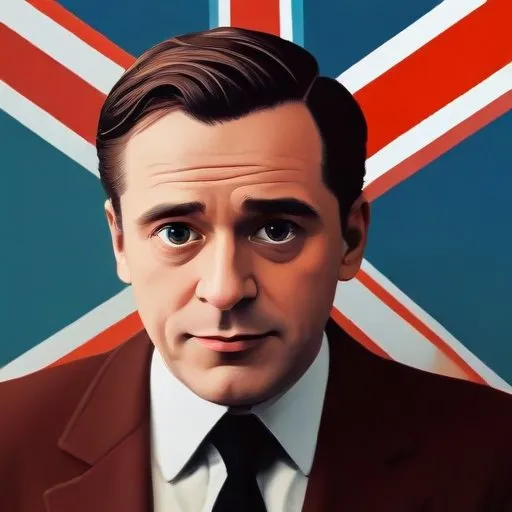
A pioneering figure in British theatre, known for innovative productions and plays that probed the human condition, influencing the development of modern drama.
Harley Granville-Barker was a luminary of British theatre, renowned for his multifaceted career as an actor, director, playwright, manager, critic, and theorist. He is best known for his groundbreaking contributions to British theatre, particularly in the Edwardian and interwar periods, where he transformed the dynamics of production, and left an indelible mark on the theatrical landscape.
Born on November 25, 1877, in London, England, Granville-Barker began his journey in the world of theatre at the tender age of 14. He quickly rose to prominence as an actor, excelling in roles that required a unique blend of intelligence and romantic flair. His iconic performances in plays like Man and Superman, Major Barbara, Candida, and The Doctor's Dilemma cemented his position as a leading actor of his time.
Granville-Barker's passion for theatre eventually led him to abandon acting and focus on directing. This bold move marked the beginning of a new era in British theatre, as directing was not a prominent aspect of the industry at the time. Drawing inspiration from the likes of Antoine and Reinhardt, Granville-Barker revolutionized the art of directing, bringing a fresh perspective to the stage.
His association with the Stage Society and the Royal Court Theatre proved pivotal in his directing career. From 1904 to 1907, he collaborated with J.E. Vedrenne to stage nearly 1,000 performances, featuring a mix of classic and new works, including eleven plays written by George Bernard Shaw.
Granville-Barker's plays often tackled difficult and controversial subject matter, which, although met with mixed reviews during his lifetime, continue to receive attention and acclaim today. His work as a playwright, director, and theorist has had a profound impact on British theatre, paving the way for future generations of playwrights and directors.
Granville-Barker's pioneering work in theatre has had a lasting impact on modern society. His contributions to the development of British theatre have inspired generations of artists, writers, and directors, shaping the course of theatrical history.
"The theatre is a temple of wonder, where we may escape the dullness of our daily lives and find ourselves reflected in the mirror of art."
These words, spoken by Granville-Barker, encapsulate the essence of his passion for theatre and his unwavering commitment to the art form.
Granville-Barker's remarkable career, spanning over four decades, has left an indelible mark on British theatre. His innovative approach to directing, his daring plays, and his unwavering dedication to the art form have secured his place as one of the most influential figures in British theatrical history.
Today, Granville-Barker's legacy continues to inspire and influence artists, writers, and directors, ensuring that his contribution to the world of theatre remains vibrant and alive.
Born in 1856
A renowned Irish playwright and critic, known for his witty, thought-provoking plays that often challenged social norms and conventions. His works include Pygmalion and My Fair Lady.
Born in 1904
A renowned thespian, celebrated for his commanding stage presence and iconic performances in Shakespearean plays and films, earning him a knighthood.
Born in 1902
A renowned stage and screen actor, celebrated for his distinctive voice and authoritative presence, starring in iconic films like "David Copperfield" and "Doctor Zhivago".
Born in 1907
A renowned thespian who dominated the British stage and screen, bringing Shakespearean characters to life with his commanding presence and rich voice.
Born in 1899
A renowned English actor, playwright, and composer, known for his witty humor, sophisticated style, and iconic works like "Private Lives" and "Blithe Spirit".
Born in 1911
A renowned playwright and screenwriter of the 20th century, known for crafting intricate, emotionally charged dramas that probed the British upper class, often exploring themes of love, morality, and social convention.
Born in 1893
A renowned stage and screen actor, he brought iconic characters to life in film adaptations of classic literature, including David Copperfield and The Hunchback of Notre Dame.
Born in 1882
A renowned stage actress of the early 20th century, celebrated for her powerful performances in Shakespearean plays and advocacy for women's rights in the theater.
