


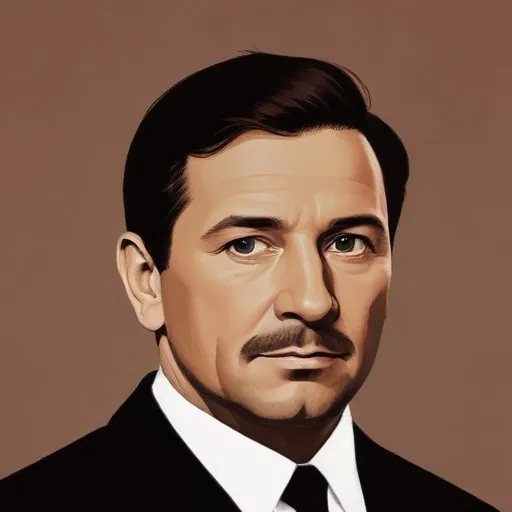
Pioneering stroboscopic photography and inventing the electronic flash, revolutionizing the field of high-speed photography.
Harold Eugene Edgerton, affectionately known as "Papa Flash," is renowned for revolutionizing the world of photography with his groundbreaking strobe technology. This American electrical engineer and photographer is celebrated for capturing the unseen, freeze-framing high-speed events, and rewriting the rules of photography in the process.
Born on April 6, 1903, in Fremont, Nebraska, Edgerton grew up with an insatiable curiosity and passion for tinkering. He earned his Bachelor's degree in Electrical Engineering from the University of Nebraska in 1925 and later obtained his Ph.D. from Massachusetts Institute of Technology (MIT) in 1931.
In the 1930s, Edgerton began experimenting with high-speed stroboscopic photography, which involved using a strobe light to freeze fast-moving objects. His innovative approach allowed him to capture remarkable images of bullets in mid-air, crashing droplets of milk, and even the flapping wings of birds.
Edgerton's stop-motion innovations have had a profound impact on various fields, including:
Edgerton's pioneering work has inspired generations of photographers, scientists, and engineers. His legacy extends beyond his technical achievements, as he has also fostered a deeper understanding and appreciation of the natural world.
Harold Edgerton's remarkable journey serves as a testament to the power of curiosity, creativity, and perseverance. His groundbreaking work continues to inspire scientists, artists, and innovators, reminding us that the boundaries of human knowledge and imagination are limitless.
Born in 1874
Developer of the first practical wireless telegraph, pioneering radio communication and earning a Nobel Prize in Physics. Known for revolutionizing long-distance communication.
Born in 1856
A pioneering engineer who harnessed the power of alternating current (AC) to transform the world's electrical systems, and is credited with developing groundbreaking technologies like radio communication and X-ray imaging.
Born in 1847
A pioneer in innovation, credited with developing groundbreaking inventions that revolutionized the way people live and communicate, including the light bulb and phonograph.
Born in 1847
A Scottish-American engineer and academic credited with inventing the telephone, revolutionizing real-time communication. This innovation transformed the way people connect and conduct business.
Born in 1853
Developed groundbreaking inventions and innovations in electrical engineering, including the first practical welding machine and the first electric streetcar system.
Born in 1912
Developed the V-2 rocket for Nazi Germany and later led the team that created the Saturn V rocket that took humans to the moon.
Born in 1890
Developed the concept of the internet's precursor, hypertext, and advocated for government funding of scientific research, shaping modern computing and innovation.
Born in 1889
Designed and built the first successful single-main-rotor helicopter, revolutionizing air travel and search-and-rescue operations. Founded a leading aircraft manufacturing company that still bears his name.
