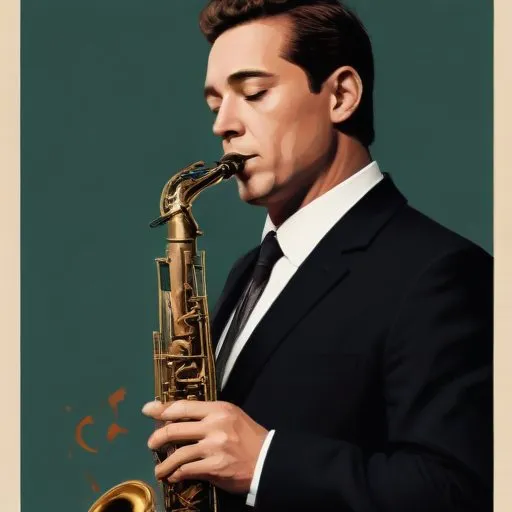
Harold Land: The Saxophonist Who Redefined Hard Bop and Post-Bop
A Revolutionary Sound
Harold Land was a renowned American hard bop and post-bop tenor saxophonist who left an indelible mark on the jazz scene. With his unique, introspective, and emotionally charged playing style, Land rivalled the great
Clifford Brown and carved out his own distinct niche in the world of jazz.
Early Life and Career
Born on December 18, 1928, in Houston, Texas, Land grew up in San Diego, California, where he began playing the saxophone at the age of 16. His early professional career saw him recording with the Harold Land All-Stars for Savoy Records in 1949. This debut album showcased Land's exceptional talent and set the stage for his future success.
The Clifford Brown-Max Roach Quintet
In 1954, Land joined the iconic Clifford Brown-Max Roach Quintet, a seminal group that spearheaded the hard bop movement. During his time with the quintet, Land honed his craft, developing a distinctive style that blended technical virtuosity with emotional depth. His partnership with Brown and Roach resulted in some of the most influential and enduring jazz recordings of the 1950s.
Los Angeles and the 1960s
After the Land family relocated to Los Angeles in 1955, Harold continued to flourish as a leading voice in West Coast jazz. He led his own groups, collaborating with top musicians like Curtis Counce, Bobby Hutcherson, and Blue Mitchell. Land's unique sound, marked by introspection and lyricism, began to take shape during this period.
Influence of John Coltrane and Later Career
From the 1970s onwards, Land's playing style was influenced by the avant-garde innovations of
John Coltrane. This new direction further solidified Land's reputation as a master saxophonist, capable of navigating diverse musical landscapes. Throughout the 1980s and 1990s, Land performed with the Timeless All Stars, a renowned group sponsored by the Timeless jazz record label. He also led his own bands, often featuring his son, Harold Land Jr., on piano.
Educational Contributions and Legacy
In addition to his impressive musical achievements, Land made significant contributions to jazz education. He joined the University of California, Los Angeles (UCLA) as a lecturer in 1996, teaching instrumental jazz combo as part of the UCLA Jazz Studies Program. Land's impact on the jazz saxophone is still felt today, with his legacy inspiring generations of musicians.
Quote
"Harold Land was one of the major contributors in the history of the jazz saxophone," -
Kenny Burrell, jazz guitarist and founder of the UCLA Jazz Studies Program.
Timeline of Key Events
- 1928: Born in Houston, Texas, on December 18th
- 1949: Recorded debut album with the Harold Land All-Stars for Savoy Records
- 1954: Joined the Clifford Brown-Max Roach Quintet
- 1955: Relocated to Los Angeles with his family
- 1960s: Developed his unique style, influenced by West Coast jazz
- 1970s: Began exploring the influence of John Coltrane on his playing
- 1980s-1990s: Performed with the Timeless All Stars and led his own bands
- 1996: Joined the UCLA Jazz Studies Program as a lecturer
- 2001: Passed away on July 27th
Land's remarkable career, marked by innovation, exploration, and dedication to his craft, has left an indelible mark on the world of jazz. His legacy continues to inspire and influence musicians, ensuring that his remarkable sound endures for generations to come.
FAQ
What were Harold Lands contributions to jazz music?
Harold Land was a renowned tenor saxophonist who played with legendary musicians like Clifford Brown and Max Roach, helping to shape the sound of West Coast jazz.
How did Harold Lands musical style evolve over time?
Harold Lands playing style evolved from a more traditional bebop approach to a more experimental and avant-garde sound, influenced by his work with musicians like Ornette Coleman.
What were Harold Lands most notable collaborations?
Harold Land collaborated with musicians like Clifford Brown, Max Roach, and Ornette Coleman, producing influential recordings that helped define the sound of West Coast jazz.
How did Harold Lands teaching influence future generations of jazz musicians?
Harold Lands teaching at institutions like the University of California, Los Angeles, helped shape the next generation of jazz musicians, including notable saxophonists like Eric Dolphy.
What legacy did Harold Land leave behind in jazz music?
Harold Lands contributions to West Coast jazz and his influence on future generations of musicians continue to be celebrated by jazz enthusiasts and scholars alike.