


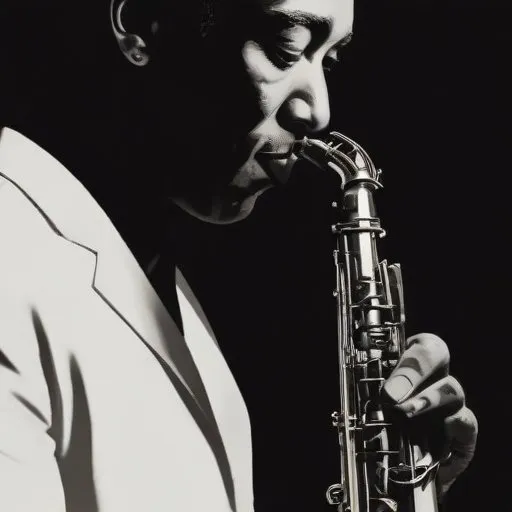
A talented multi-instrumentalist, he excelled in jazz, blues, and R&B, playing alongside legendary musicians like Miles Davis and Dizzy Gillespie. His soulful, improvisational style earned him a loyal following.
Known for his smooth, soulful sound on the saxophone and flute, Harold Vick was an American jazz musician who made a significant impact on the music scene from the 1960s to the 1980s. With a career spanning over two decades, Vick worked with some of the biggest names in jazz, soul, and rock, leaving an indelible mark on the music industry.
Born on April 3, 1936, in Rocky Mount, North Carolina, Vick was introduced to music at a young age by his uncle, Prince Robinson, who played the clarinet and tenor saxophone. Vick began playing the clarinet at 13 and later switched to the tenor saxophone, performing in R&B bands while studying psychology at Howard University.
Vick's debut album as a leader, Steppin' Out, was released on Blue Note Records in 1963. This was followed by a series of albums on RCA, Muse, and Strata-East labels from 1966 to 1974. His music often featured a unique blend of jazz, soul, and funk elements, which resonated with audiences.
Vick's versatility and adaptability made him a sought-after sideman. He worked with prominent jazz musicians such as Jack McDuff, Jimmy McGriff, Big John Patton, and Larry Young, as well as soul legends like Ray Charles and Aretha Franklin. Vick also appeared with Dizzy Gillespie at the 1968 Newport Jazz Festival and played with Jack DeJohnette's jazz-rock band Compost from 1971 to 1973.
After a heart attack in the mid-1970s, Vick shifted his focus towards soul jazz, working with Shirley Scott and Jimmy McGriff. He continued to perform and record with various artists, including Nat Adderley, Mercer Ellington, and Sarah Vaughan, until his untimely death on November 13, 1987.
Harold Vick's music and contributions have had a lasting impact on the jazz and soul genres. His ability to bridge the gap between jazz and soul, along with his smooth, melodic playing style, influenced a generation of musicians. Vick's legacy can be heard in the music of artists such as Grover Washington Jr. and George Benson.
Harold Vick's music continues to inspire and delight audiences today, cementing his place as one of the most underrated yet influential jazz musicians of all time.
99 Years Old
A legendary jazz saxophonist and composer who revolutionized the genre with his innovative, spiritually-driven improvisations and iconic albums like "A Love Supreme".
Born in 1920
A pioneering jazz saxophonist and composer, known for his lightning-fast solos and innovative bebop style that revolutionized jazz music. 82
Born in 1917
A jazz legend who revolutionized piano playing and composition with unorthodox techniques and harmonies, creating a unique, improvisational style that continues to inspire generations of musicians.
Born in 1917
A virtuosic trumpet player and composer who revolutionized jazz with his lightning-fast solos and iconic puffy cheeks, creating a new language for the instrument. He's synonymous with bebop and modern jazz.
Born in 1926
A legendary jazz musician who revolutionized the genre with his improvisational style and iconic albums like "Kind of Blue". He's synonymous with cool, jazzy sophistication.
95 Years Old
A legendary jazz saxophonist and composer, renowned for his improvisational genius and iconic recordings that redefined the genre. His playing style is characterized by intense emotional expression and harmonic innovation.
86 Years Old
A legendary jazz pianist and composer who blended traditional and electronic elements, creating a unique sound that has inspired generations of musicians.
92 Years Old
A legendary jazz saxophonist and composer, renowned for his work with Miles Davis and co-founding Weather Report, creating iconic, genre-bending music that continues to inspire generations.
