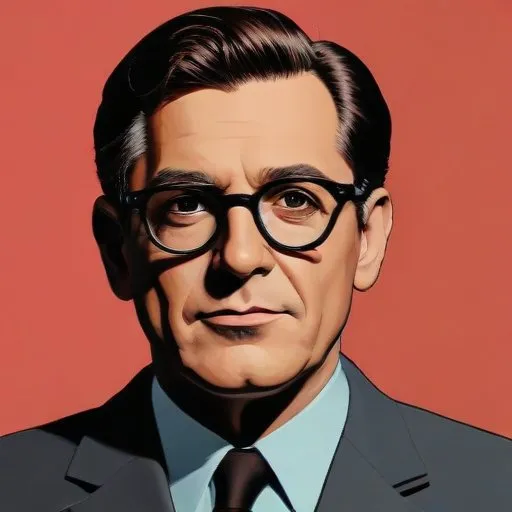
Harry Frazee

Harry Frazee

Harry Frazee was born on June 29th, 1881

Full Name: Harry Hart Frazee
Place of Birth: Peoria, Illinois
Profession: American director, producer, and agent
Nationality: American
Born: June 29, 1880
Died: June 4, 1929
Known For: Producing No, No, Nanette
Occupation: Theatre producer

A pioneering figure in American theater and film, producing and directing numerous Broadway shows and silent films, including the 1919 adaptation of "Why Marry?"

Written by: Carlos Hernandez Carlos Hernandez

Harry Frazee: The Man Behind the Curse of the Bambino

The Infamous Owner of the Boston Red Sox

Harry Frazee is renowned for his notorious decision to sell Babe Ruth to the New York Yankees, a move that allegedly cursed the Boston Red Sox, leading to an 86-year World Series drought. As the owner of the Red Sox from 1916 to 1923, Frazee's legacy is deeply intertwined with the team's history, and his actions continue to have a lasting impact on the world of baseball.

Early Life and Theatrical Pursuits

Born on June 29, 1880, in Peoria, Illinois, Frazee was the son of William and Margaret Frazee. He developed a passion for baseball at a young age, playing alongside future MLB player Harry Bay at Peoria High School. However, it was his fascination with the theatrical world that initially drove his career. At 16, Frazee became the assistant manager of the Peoria Theater, and within a year, he was coaching the Peoria Distillers semi-pro baseball club.

Frazee's theatrical ventures continued to flourish, and he eventually built the Cort Theater in Chicago in 1907. He went on to stage hit plays, including "Fine Feathers" by Eugene Walter and the musical "Adele." His success in the theatrical world enabled him to build the Longacre Theatre on West 48th Street in New York City in 1913.

Rise to Prominence in Baseball

Frazee's foray into baseball ownership began when he purchased the Boston Red Sox from Joseph Lannin for a reported $675,000 in 1916, following the team's World Series victory. Under his ownership, the Red Sox won another World Series title in 1918. However, Frazee's financial struggles led him to make a series of decisions that would haunt the team for decades to come.

In 1919, Frazee began selling players to the New York Yankees, most notably Babe Ruth. This move marked the beginning of the Curse of the Bambino, which was said to have plagued the Red Sox until their World Series victory in 2004.

Legacy and Controversy

Frazee's decision to sell Babe Ruth has become a defining aspect of his legacy, with many blaming him for the Red Sox's subsequent struggles. His actions led to a 86-year World Series drought, a period marked by the team's consistent underperformance. The Curse of the Bambino has become an integral part of Boston's sports lore, with Frazee's name often invoked as a symbol of mismanagement and poor decision-making.

A Lasting Impact on Baseball

Harry Frazee's legacy extends beyond the Curse of the Bambino, as his actions had a profound impact on the world of baseball. The sale of Babe Ruth marked a shift in the baseball landscape, with the New York Yankees emerging as a dominant force in the American League. Frazee's decisions also led to changes in the way teams approached player personnel decisions, with a greater emphasis placed on strategic management and roster construction.

In the end, Frazee's story serves as a cautionary tale about the importance of responsible ownership and the lasting consequences of impulsive decisions. Despite his many accomplishments, Frazee's legacy remains inextricably linked to the Curse of the Bambino, a reminder of the profound impact one individual can have on the world of sports.

Timeline
1880
Born in Peoria
Harry Frazee was born on June 29, 1880, in Peoria, Illinois. He would go on to become a successful American director, producer, and agent.
1903
Started career in theater
Frazee began his career in theater, working as an actor and playwright in various productions.
1916
Moved to Hollywood
Frazee moved to Hollywood, California, and began working in the film industry, producing and directing several films.
1920
Produced No, No, Nanette
Frazee produced the hit Broadway musical No, No, Nanette, which became a huge success and helped establish him as a leading producer.
1929
Died in New York City
Harry Frazee passed away on June 4, 1929, in New York City, leaving behind a legacy as a pioneering figure in American entertainment.
Harry Frazee

Harry Frazee Quiz

What was Harry Frazee's primary profession?

Score: 0/5
FAQ
What was Harry Frazees role in American theater?
Harry Frazee was a prominent American director, producer, and agent who played a significant role in shaping American theater in the early 20th century. He was known for his innovative productions and his ability to spot talent.
What was Harry Frazees most famous production?
Harry Frazees most famous production was the 1913 Broadway production of No, No, Nanette, which became a huge hit and helped establish his reputation as a leading producer.
Did Harry Frazee have any notable discoveries?
Yes, Harry Frazee had several notable discoveries, including the actress and singer, Marilyn Miller. He spotted her talent early on and helped launch her career, which became one of the most successful in American theater history.
What was Harry Frazees legacy in American theater?
Harry Frazees legacy in American theater is one of innovation and creativity. He was a risk-taker who was willing to try new things and push the boundaries of what was possible on stage.
Why is Harry Frazee often remembered for his role in the Boston Red Sox?
Harry Frazee is often remembered for his role in the Boston Red Sox, as he was the owner of the team from 1916 to 1923. During his tenure, the Red Sox won three World Series titles, including the infamous 1918 championship that sparked the Curse of the Bambino.

Related People:

George M. Cohan

Born in 1878

A legendary entertainer who wrote and performed iconic patriotic songs, including "You're a Grand Old Flag" and "Over There," and was a pioneer of American musical theater.

Florenz Ziegfeld, Jr.

Born in 1867

Pioneering Broadway producer and director behind the iconic Ziegfeld Follies, showcasing lavish revues featuring top performers and setting the standard for American entertainment.

Irving Berlin

Born in 1888

A legendary composer and pianist who wrote over 1,500 songs, including iconic American standards like "God Bless America" and "White Christmas", shaping the Great American Songbook.

Eddie Cantor

Born in 1892

A popular entertainer of the 1920s-1940s, known for his charismatic stage presence, catchy songs, and comedic timing, starring in films, Broadway shows, and radio programs.

Al Jolson

Born in 1886

A legendary performer who charmed audiences with his powerful voice and charismatic stage presence, starring in the first "talkie" film, The Jazz Singer, and popularizing jazz and blues music.

W. C. Fields

Born in 1880

A legendary comedian and actor who brought laughter to millions with his witty one-liners, sarcastic humor, and iconic film roles, leaving a lasting impact on American comedy.

Fanny Brice

Born in 1891

A comedic star of the Ziegfeld Follies, known for her distinctive voice and comedic timing, starring in Broadway shows and films, including the classic "Funny Girl".

Ed Wynne

64 Years Old

A renowned guitarist, songwriter, and producer, he is most known for his work with the psychedelic rock band Ozric Tentacles, creating a unique blend of space rock and electronic music.