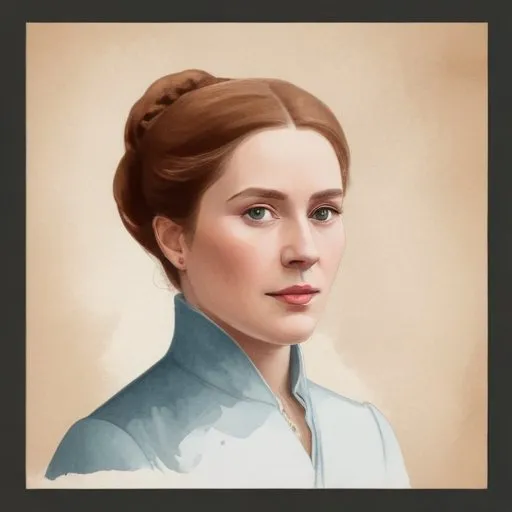
Hedvig Sophia of Sweden: The Duchess of Holstein-Gottorp
A Life of Royalty and Influence
Hedvig Sophia of Sweden, also known as Sofia, was the eldest child of
Charles XI of Sweden and Ulrike Eleonore of Denmark, and is best known for her role as the heir presumptive to the Swedish throne and later as the Duchess of Holstein-Gottorp. Born on June 26, 1681, she would go on to lead a life marked by royal duty, personal milestones, and significant influence on the politics of her time.
Early Life and Upbringing
Hedvig Sophia spent the majority of her childhood at Karlberg Palace, where she was raised alongside her siblings under the watchful eye of her grandmother, Hedvig Eleonora of Holstein-Gottorp. Following the death of her mother in 1693, Hedvig Sophia came under the care of Juliana Schierberg, a lifelong confidante and influential figure in her life.
Her grandmother's influence would have a lasting impact on Hedvig Sophia, shaping her anti-Danish views and instilling in her a strong sense of duty and responsibility. Described as beautiful, passionate, and dignified, Hedvig Sophia was a talented student, particularly in the art of painting, and brought a sense of joy and cheerfulness to the otherwise strict Swedish court.
Marriage and Alliance
In 1698, Hedvig Sophia married her cousin,
Frederick IV, Duke of Holstein-Gottorp, at Karlberg Palace. This union was a strategic alliance, aimed at strengthening ties between Sweden and Holstein-Gottorp against Denmark. Although the marriage was arranged, Hedvig Sophia's marriage would prove to be a significant factor in shaping her later life and legacy.
Regency and Legacy
Following the birth of her son in 1702, Hedvig Sophia became the regent of the duchy of Holstein-Gottorp, a role she would hold until her death in 1708. During this period, she demonstrated her capabilities as a leader, governing the duchy with wisdom and prudence.
Hedvig Sophia's legacy extends beyond her role as a Duchess and regent. She played a significant part in shaping the politics of her time, influencing the relationships between Sweden, Denmark, and Holstein-Gottorp. Her life serves as a testament to the complexities and challenges faced by women in power during the 17th and 18th centuries.
- 1702: Becomes regent of the duchy of Holstein-Gottorp
- 1708: Passes away on December 22nd
Personal Milestones and Quotes
Hedvig Sophia's life was marked by significant personal milestones, including her marriage and the birth of her son. Although few direct quotes from Hedvig Sophia exist, her life and legacy speak to her strength, determination, and commitment to duty.
Her influence on modern society can be seen in the continued importance of diplomatic alliances and the role of women in leadership positions. Hedvig Sophia's story serves as a powerful reminder of the impact one person can have on the course of history.
Trivia and Fun Facts
- Hedvig Sophia was known for her exceptional painting skills
- She was her father's favorite child
- Her marriage was arranged as part of a larger diplomatic strategy
In conclusion, Hedvig Sophia of Sweden's life was a testament to her strength, influence, and dedication to duty. Her legacy continues to inspire and educate, offering a unique glimpse into the complex world of 17th and 18th-century politics and royalty.
FAQ
What is Hedvig Sophia of Sweden known for?
Hedvig Sophia of Sweden was a Swedish princess known for her cultural and artistic contributions, particularly in the field of music. She was a talented musician and composer, and her works were highly regarded in her time.
Who were Hedvig Sophias parents?
Hedvig Sophia of Sweden was the daughter of King Charles XI of Sweden and Ulrika Eleonora the Elder. Her parents were both members of the Swedish royal family, and her father was the King of Sweden from 1660 to 1697.
What was Hedvig Sophias role in Swedish politics?
Hedvig Sophia of Sweden did not play a direct role in Swedish politics, but she did support her brother, King Charles XII, during his reign. She was known for her strong personality and influence, and was often sought out for advice and guidance.
What kind of cultural contributions did Hedvig Sophia make?
Hedvig Sophia of Sweden was a patron of the arts and supported many cultural institutions in Sweden. She was particularly interested in music and was a talented composer herself, and her support helped to promote the development of music in Sweden.
Sub-question: What is Hedvig Sophias most famous composition?
Hedvig Sophias most famous composition is her opera, Ulla Winblad, which was performed in Stockholm in 1694. It was a groundbreaking work that showcased her talent and creativity as a composer.