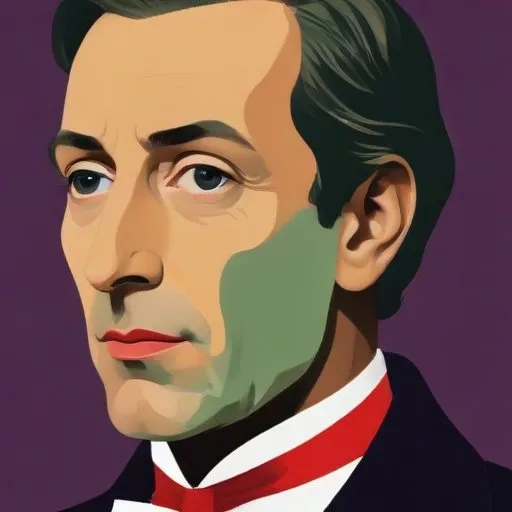
Henry Stafford, 2nd Duke of Buckingham: The Rebel Nobleman
A Life of Ambition and Tragedy
Henry Stafford, 2nd Duke of Buckingham, is remembered for his daring yet ill-fated rebellion against
Richard III of England in 1483, a failed uprising that would ultimately lead to his downfall and execution. As a prominent nobleman, Buckingham's life was marked by a complex web of alliances, rivalries, and power struggles that would shape the course of English history.
Early Life and Inheritance
Born on September 4, 1455, Buckingham was the only son of Humphrey Stafford, Earl of Stafford, and Margaret Beaufort, Countess of Stafford. Following his father's death in 1458, Buckingham became Earl of Stafford, and two years later, he inherited the title of Duke of Buckingham at the tender age of four, after his grandfather's demise at the Battle of Northampton.
A Strategic Marriage and Family
In 1466, Buckingham entered into a strategic marriage with Katherine Woodville, the youngest sister of
Edward IV's wife, Elizabeth Woodville. This union would produce five children:
- Edward Stafford, 3rd Duke of Buckingham (1478-1521)
- Elizabeth Stafford, Countess of Sussex (c. 1479-1532)
- Henry Stafford, 1st Earl of Wiltshire (c. 1479-1523)
- Anne Stafford, Countess of Huntingdon (c. 1483-1544)
- Humphrey Stafford (died young)
Rise to Prominence and Downfall
Upon the death of Edward IV in 1483, Buckingham initially allied himself with the king's younger brother, Richard III, helping him secure the throne. However, Buckingham soon became disaffected with Richard's rule and joined forces with Henry Tudor, later King
Henry VII, in a rebellion against the monarch. The uprising, known as Buckingham's rebellion, ultimately failed, and Buckingham was captured and executed without trial in October 1483.
Legacy and Controversy
Buckingham's legacy is marked by controversy, with many historians suspecting him of involvement in the disappearance and presumed murder of Richard III's nephews, the Princes in the Tower. Despite this dark stain on his reputation, Buckingham's rebellion is seen as a significant event in English history, highlighting the tumultuous nature of the Wars of the Roses.
Personal Characteristics and Beliefs
little is known about Buckingham's personal beliefs and philosophical convictions. However, his actions suggest a strong sense of ambition and a willingness to take risks to achieve his goals.
Influence on Modern Society
Buckingham's rebellion, although unsuccessful, played a significant role in shaping the course of English history. His actions contributed to the eventual rise of the Tudor dynasty, which would go on to dominate English politics for over a century.
Historical Context and Legacy
Henry Stafford, 2nd Duke of Buckingham, lived during a time of great upheaval in England, with the Wars of the Roses tearing the country apart. His story serves as a testament to the complexities and rivalries of the medieval nobility, highlighting the high stakes and brutal realities of power struggles in 15th-century England.
FAQ
What was Henry Staffords role in the Wars of the Roses?
Henry Stafford, 2nd Duke of Buckingham, played a significant role in the Wars of the Roses, initially supporting the Lancastrian cause and later switching to the Yorkist side.
How did Henry Staffords marriage impact his career?
Henry Staffords marriage to Catherine Woodville, sister of Queen Elizabeth Woodville, strengthened his ties to the royal family and advanced his career, including his appointment as Lord High Constable of England.
What were Henry Staffords achievements as Lord High Constable of England?
As Lord High Constable of England, Henry Stafford oversaw the kings military forces and played a key role in maintaining law and order in the kingdom.
How did Henry Staffords relationships with the royal family shape his fate?
Henry Staffords relationships with the royal family, particularly King Edward IV and Queen Elizabeth Woodville, ultimately led to his downfall and execution for treason.
What was Henry Staffords legacy in English history?
Henry Staffords legacy in English history is that of a powerful nobleman who navigated the treacherous landscape of the Wars of the Roses, only to ultimately fall victim to royal intrigue.