


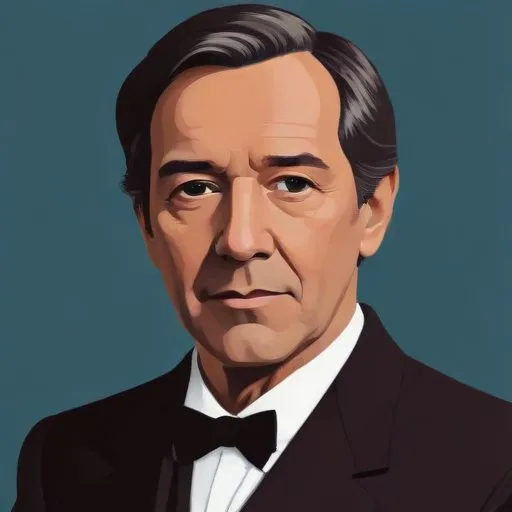
American composer of orchestral and chamber music, particularly notable for his contributions to the development of neoclassicism in the 1920s and 1930s.
Howard Brockway, an American composer, pianist, and music educator, is renowned for his contributions to the world of classical music, particularly in the realm of folk song collection and piano accompaniment. His collaboration with Loraine Wyman, a classically-trained singer, resulted in the publication of two volumes of traditional folk songs from the Appalachian Mountains, showcasing his exceptional skills as a composer and arranger.
Born on November 22, 1870, in Brooklyn, New York, Brockway spent five years studying composition under Otis Bardwell Boise and piano under Heinrich Barth in Berlin. This European sojourn laid the foundation for his future endeavors as a composer and pianist.
Brockway's career was marked by his associations with prestigious music institutions, including the Peabody Institute in Baltimore, Maryland, and the Institute of Musical Art (now the Juilliard School) and the Mannes College of Music, both in New York. He taught piano and composition, nurturing the talents of notable pupils such as Eugene Bonner, Eva Clare, and Anne Stratton.
In 1916 and 1920, Brockway and Wyman published two volumes of traditional folk songs from the Appalachian Mountains, featuring Brockway's piano accompaniments. This pioneering work preserved the cultural heritage of the region, introducing the world to the rich musical traditions of the Appalachian people.
Brockway's compositional oeuvre includes a symphony, a suite, a symphonic ballad, a piano concerto, chamber music works, choruses, and songs. His Sonata for violin and piano, op. 9, was published in 1894, demonstrating his mastery of classical music forms.
From around 1911 to 1920, Brockway worked as a recording artist and piano roll editor for the American Piano Corporation (Ampico). He recorded over 155 works, including classical pieces, accompaniments, and popular items, earning him the distinction of being Ampico's most prolific artist.
Howard Brockway's contributions to American music are multifaceted and far-reaching. Through his folk song collection, piano accompaniments, and compositional works, he leaves behind a rich cultural legacy, inspiring future generations of musicians and music enthusiasts.
Born in 1898
A renowned pianist and composer who blended jazz and classical music to create iconic works like "Rhapsody in Blue" and "An American in Paris", leaving a lasting impact on American music.
Born in 1918
A renowned musician who blended jazz, classical, and Broadway styles, creating iconic works like West Side Story, and inspiring generations with his charismatic performances and innovative compositions.
Born in 1900
A renowned composer, conductor, and educator who blended folk and modernist elements to create iconic American classical music, including "Appalachian Spring" and "Fanfare for the Common Man".
Born in 1910
A renowned pianist and composer who blended romanticism and modernism, creating iconic works like "Adagio for Strings" that evoke powerful emotions.
Born in 1910
A renowned composer and educator, he was the first president of the Juilliard School and won the Pulitzer Prize for Music in 1943. He's known for his contributions to American classical music.
Born in 1894
A renowned composer, theorist, and academic who made significant contributions to the development of American classical music, particularly in the realm of harmony and counterpoint.
Born in 1908
A pioneering composer of modern classical music, known for his complex and innovative works that pushed the boundaries of harmony and rhythm.
Born in 1896
A pioneering composer and critic who blended jazz and classical music, creating a unique American sound, and wrote witty, influential music criticism.
