


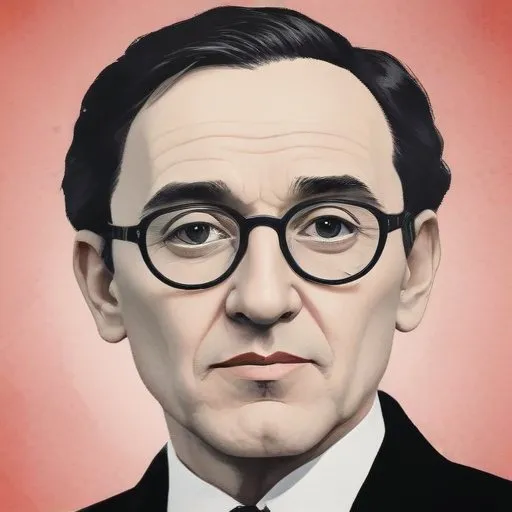
A Pulitzer Prize-winning poet, playwright, and critic, known for his witty and insightful writings that explored the human condition.
Howard Moss, a renowned American poet, dramatist, and critic, left an indelible mark on the literary world. He is best known for his distinguished career as the poetry editor of The New Yorker magazine, a position he held from 1948 until his death in 1987, and for winning the National Book Award in 1972 for his collection, Selected Poems.
Born on January 22, 1922, in New York City, Moss attended the University of Michigan, where he won a prestigious Hopwood Award. This early recognition of his talent set the stage for a remarkable literary career.
Moss's poetry is characterized by its lyricism, depth, and exploration of the human experience. His collections, including The Wound and the Weather (1946), A Winter Come, A Summer Gone: Poems, 1946-1960 (1960), and Selected Poems (1971), showcase his mastery of language and form. Moss's poetry is often described as introspective, nuanced, and evocative, inviting readers to reflect on the world around them.
Moss was not only an accomplished poet but also a dedicated mentor and advocate for emerging writers. He is credited with discovering and promoting the work of prominent American poets, such as Anne Sexton and Amy Clampitt. His influence extended beyond poetry, as he introduced writer William Goyen to artist Joseph Glasco, fostering a fruitful collaboration.
In addition to his poetry, Moss made significant contributions to the world of drama. His plays, including The Folding Green (1958) and The Oedipus MahJongg Scandal (1968), showcase his skill in crafting compelling narratives and characters. Moss's dramatic works often explored themes of identity, morality, and the human condition.
Moss's literary achievements were recognized with numerous awards and honors, including the National Book Award in 1972, which he shared with Frank O'Hara. His work was also celebrated with a clerihew, a humorous poem, written by W.H. Auden and Chester Kallman.
Moss's personal life was marked by a sense of discretion, and his sexual orientation was not publicly discussed during his lifetime. However, according to Edmund White, Moss was openly gay, a notion that has been debated among literary circles. Moss passed away on September 16, 1987, leaving behind a rich literary legacy that continues to inspire and influence generations of writers and readers.
Moss's remarkable achievements in poetry, drama, and literary criticism have left an enduring impact on American literature. His legacy continues to inspire new generations of writers, and his work remains a testament to his boundless creativity and dedication to the art of literature.
Born in 1874
Pulitzer Prize-winning poet and playwright celebrated for rural New England-inspired works that explore human nature, morality, and the American experience.
Born in 1888
A renowned poet, playwright, and critic who reshaped modern poetry with works like "The Waste Land" and "Old Possum's Book of Practical Cats", influencing literature and art with their unique style.
Born in 1879
A modernist master of language and imagination, crafting innovative, symbolic poetry that explores the human experience and the relationship between reality and the individual's perception of it.
Born in 1883
A physician-turned-writer, known for his modernist poetry and short stories that explored the everyday lives of ordinary people, often using imagery and experimental styles. His work blurred the lines between poetry and prose, creating a unique literary voice.
99 Years Old
A celebrated poet of the New York School, known for his surreal, dreamlike, and often humorous poetry that explores the human condition and the nature of language. His work is characterized by its complexity, wit, and playfulness.
Born in 1926
A prominent figure in the New York School of poets, known for his spontaneous, conversational style and poems that capture the essence of urban life and the human experience.
Born in 1926
Pulitzer Prize-winning poet and playwright known for his lyrical and introspective works that explored themes of love, identity, and the supernatural. His writing is celebrated for its technical mastery and emotional depth.
Born in 1921
A celebrated poet, translator, and essayist, known for his mastery of traditional forms and witty, insightful explorations of everyday life. His work often blends humor and profundity, earning him numerous awards and accolades.
