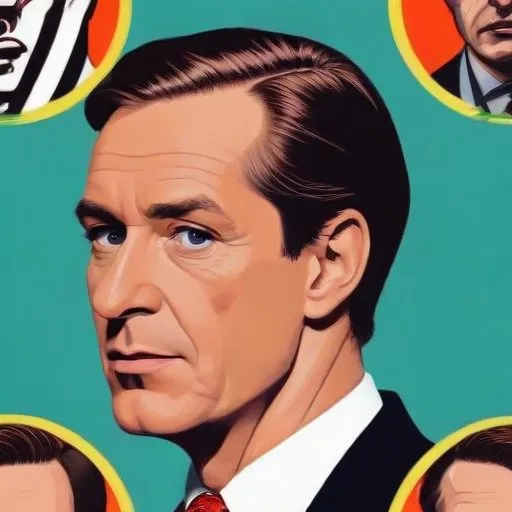
Hugh Dykes, Baron Dykes: A Life of Public Service and Controversy
A Champion of Liberalism and Human Rights
Hugh Dykes, Baron Dykes, is a British politician and Liberal Democrat peer, known for his unwavering commitment to liberalism, human rights, and social justice. With a career spanning over five decades, Dykes has been a vocal advocate for individual freedoms, civil liberties, and international cooperation.
Early Life and Career
Born on December 11, 1939, in Berkshire, England, Dykes was educated at Rugby School and later at Magdalen College, Oxford. He began his professional life as a barrister, practicing in London and later serving as a legal adviser to the British Embassy in Tokyo, Japan.
Political Career
Dykes' entry into politics began in 1970, when he was elected as a councillor in the London Borough of Hammersmith. He later served as a Member of Parliament (MP) for Harrow East from 1970 to 1974. In 1988, he was appointed as a Liberal Democrat peer, taking the title of Baron Dykes.
Advocate for Human Rights and International Cooperation
Throughout his career, Dykes has been a passionate advocate for human rights, social justice, and international cooperation. He has served as the Vice-Chairman of the All-Party Parliamentary Human Rights Group and has been involved in various international organizations, including the Council of Europe and the Inter-Parliamentary Union.
Controversies and Public Perception
Dykes has not been without controversy, particularly in his views on European integration and the role of the European Union. He has been known for his outspoken criticism of the EU's bureaucratic structures and has advocated for a more decentralized approach.
Personal Milestones and Key Life Events
- 1965: Married to Sue, with whom he has two children
- 1970: Elected as a councillor in the London Borough of Hammersmith
- 1988: Appointed as a Liberal Democrat peer, taking the title of Baron Dykes
- 2005: Served as the Chairman of the Liberal Democrat European Group
Philosophical Contributions and Beliefs
Dykes' philosophical approach to politics is rooted in classical liberalism, with a strong emphasis on individual freedoms, limited government intervention, and social justice. He has been influenced by the works of liberal thinkers such as
John Locke and
John Stuart Mill.
Legacy and Historical Context
Hugh Dykes, Baron Dykes, has left an indelible mark on British politics, championing the causes of liberalism and human rights. His commitment to international cooperation and social justice has inspired generations of politicians and activists.
Comparative Analysis with Contemporaries
Dykes' unwavering dedication to liberalism and human rights sets him apart from many of his contemporaries. His closest ideological ally is perhaps
Shirley Williams, a fellow Liberal Democrat peer and champion of social justice.
Visual Timeline and Milestones

Trivia and Fun Facts
- Dykes is a fluent speaker of Japanese, having lived and worked in Tokyo
- He is a passionate advocate for animal welfare, particularly in the area of blood sports
Inspirational Stories and Motivations
Dykes' commitment to public service and his unwavering dedication to the causes of liberalism and human rights serve as an inspiration to many. His story is a testament to the power of individual conviction and the importance of standing up for what one believes in.
FAQ
What were Hugh Dykes contributions to British politics?
Hugh Dykes was a British politician who served as a member of Parliament and as a minister in the Department of Trade and Industry. He was a strong advocate for European integration and played a key role in shaping UK-EU relations.
What awards did Hugh Dykes receive?
Hugh Dykes received several awards for his public service, including a knighthood and a life peerage.
How did Hugh Dykes experience as a businessman influence his politics?
Hugh Dykes experience as a businessman influenced his politics, as he brought a pragmatic and commercially-minded approach to policy-making. He was a strong advocate for free trade and business-friendly policies.
What was Hugh Dykes stance on European integration?
Hugh Dykes was a strong advocate for European integration and played a key role in shaping UK-EU relations. He believed that the UKs economic future was closely tied to its membership in the European Union.
What is Hugh Dykes legacy in British politics?
Hugh Dykes legacy is that of a dedicated public servant who worked tirelessly to promote British interests in Europe. He is remembered for his commitment to European integration and his efforts to promote greater UK-EU cooperation.