


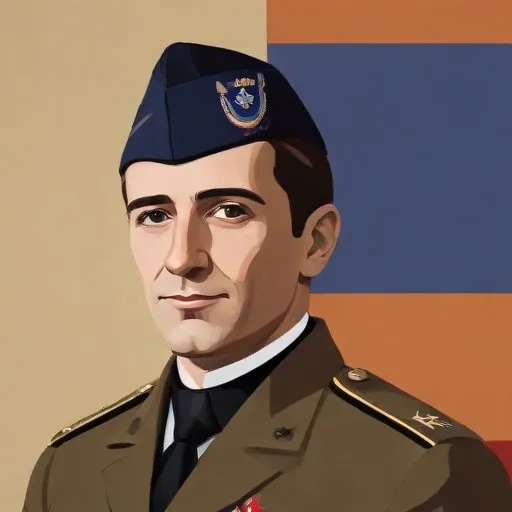
A pioneering figure in the fight for racial equality, he was the first African American to command a ship in the US Navy and later became a politician, advocating for civil rights.
Hugh Nathaniel Mulzac, a pioneering African-Caribbean member of the United States Merchant Marine, etched his name in history as the first African American to earn a Master rating in 1918. However, it wasn't until September 29, 1942, that he finally got the opportunity to command a ship, overcoming the racial discriminatory barriers that had hindered his career.
Born on March 26, 1886, on Union Island in Saint Vincent and the Grenadines, Mulzac was the son of Ada Roseline Dunawa, an accomplished pianist of African descent, and Richard Mulzac, a mulatto planter and shipbuilder. His maternal grandfather, Rev. James Dunawa, was the head of the Church of England School in Kingstown, SVG, where Mulzac received his early education.
Mulzac's seafaring journey began immediately after high school, serving on British schooners. He later attended Swansea Nautical College in Wales, where he trained for his ship master's license. In 1916, he emigrated to the United States, earning his shipping master's certificate in 1918 – a historic milestone as the first African American to achieve this feat.
Mulzac joined Marcus Garvey's Universal Negro Improvement Association (UNIA) and served as a Captain on the SS Yarmouth of the Black Star Line. However, disagreements with the UNIA led to his resignation in 1921. For the next two decades, he could only secure shipboard work in the stewards' departments on several shipping lines, a testament to the racial barriers that hindered his career.
In 1942, Mulzac's perseverance finally paid off when he was given command of a ship, making him the first African American to do so. This milestone marked a significant turning point in his career, paving the way for future generations of African American mariners.
Hugh Mulzac's remarkable journey serves as a beacon of inspiration, highlighting the struggles and triumphs of African Americans in the maritime industry. His relentless pursuit of excellence and determination to overcome racial discrimination have cemented his place in history as a trailblazing master mariner.
"I'll never forget the day I got my master's certificate... It was a great achievement, but I knew it wasn't the end of the road. I had to keep fighting for my rights, for my place at the helm."
— Hugh Mulzac
Born in 1890
Led the Allied forces to victory in World War II and later served as President, maintaining peace and prosperity during the Cold War era. He's known for his strategic leadership and diplomatic skills.
Born in 1885
A renowned military leader who played a crucial role in World War II, particularly in the Allied victory in Europe, known for his bold tactics and unapologetic style.
Born in 1893
Led the US Army in World War II and became the last five-star general, playing a crucial role in shaping post-war American military strategy. He's also known for his humble and unassuming leadership style.
Born in 1896
Led the Allied invasion of Italy during World War II, playing a crucial role in the war's Mediterranean Theater. He later became the Commander-in-Chief of the United States Army Field Forces.
Born in 1895
Led the US Eighth Army to victory in the Korean War, credited with turning the tide of the conflict and earning a reputation as a skilled military strategist.
Born in 1892
A decorated war hero and skilled diplomat who played a crucial role in shaping US foreign policy during the Cold War, particularly in Korea and Greece.
