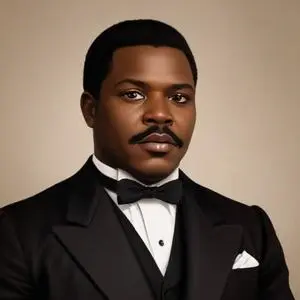
Marcus Garvey: The Champion of Pan-Africanism and Black Empowerment
A Visionary Leader and Founder of the Universal Negro Improvement Association
Marcus Garvey, a Jamaican-born political activist, is renowned for his unwavering dedication to Pan-Africanism, black nationalism, and the empowerment of people of African descent. As the founder and first President-General of the Universal Negro Improvement Association and African Communities League (UNIA-ACL), Garvey worked tirelessly to promote unity, self-reliance, and economic independence among African people worldwide.
Early Life and Inspirations
Born on August 17, 1887, in Saint Ann's Bay, Jamaica, Garvey was apprenticed into the print trade as a teenager. This humble beginning instilled in him a strong work ethic and a passion for learning. Garvey's experiences in Jamaica, Costa Rica, Panama, and England shaped his worldview and fueled his determination to challenge the status quo of racial inequality.
The Rise of Garveyism and the UNIA-ACL
In 1914, Garvey founded the UNIA-ACL in Jamaica, with the goal of promoting unity, education, and economic empowerment among people of African descent. The organization's philosophy, known as Garveyism, emphasized the importance of African people governing themselves, creating their own institutions, and establishing their own economic systems. Garvey's charismatic leadership and vision attracted a massive following, and the UNIA-ACL soon spread to the United States, Canada, and other parts of the world.
Key Philosophical Contributions and Beliefs
Garvey's ideology was rooted in the belief that African people needed to be financially independent from white-dominated societies. He advocated for the creation of separate black institutions, businesses, and economic systems, which would enable African people to compete on equal terms with other racial groups. Garvey also believed in the importance of African people reclaiming their cultural heritage and promoting racial purity.
New York City and the Harlem Renaissance
In 1916, Garvey relocated to New York City's Harlem district, where he established a UNIA-ACL branch. Harlem became the hub of Garvey's activities, and his message resonated with the growing African American community. During this period, Garvey's newspaper, the
Negro World, became a powerful platform for promoting his ideology and showcasing African American culture.
The Black Star Line and Economic Enterprises
In 1919, Garvey became President of the Black Star Line, a shipping and passenger company designed to facilitate trade and commerce between Africa, the Caribbean, and the United States. He also launched the Negro Factories Corporation, which aimed to create a network of black-owned businesses and industries. These economic ventures were crucial to Garvey's vision of African people achieving financial independence and self-sufficiency.
Controversies and Criticisms
Garvey's black separatist views and his relationship with white racists, such as the Ku Klux Klan, sparked controversy and criticism from other prominent African American civil rights activists, including W.E.B. Du Bois. Garvey's critics argued that his philosophy was divisive and hindered the struggle for racial integration and equality.
Legacy and Impact on Modern Society
Despite the controversies, Garvey's legacy continues to inspire generations of African people worldwide. His emphasis on self-reliance, economic empowerment, and cultural preservation has influenced various social and political movements, including the Civil Rights Movement, Black Power, and Pan-Africanism. Garvey's vision of a unified Africa, governed by African people, remains a powerful symbol of African liberation and independence.
Quotes and Memorable Sayings
- "Africa for the Africans, at home and abroad."
- "Up, you mighty race, you can accomplish what you will."
- "A people without the knowledge of their past history, origin and culture is like a tree without roots."
Personal Milestones and Key Life Events
- 1887: Born on August 17th in Saint Ann's Bay, Jamaica
- 1914: Founded the Universal Negro Improvement Association and African Communities League (UNIA-ACL)
- 1916: Relocated to New York City's Harlem district
- 1919: Became President of the Black Star Line
- 1940: Passed away on June 10th in London, England
Visual Timeline and Milestones

Trivia and Fun Facts
- Garvey was known for his impeccable fashion sense and his iconic hat.
- He was a prolific writer and published several books, including The Philosophy and Opinions of Marcus Garvey.
- Garvey's message resonated with African people worldwide, and he was hailed as a hero by many.
Inspirational Stories and Motivations
Garvey's life and legacy serve as a powerful reminder of the importance of self-empowerment, cultural preservation, and economic independence. His unwavering commitment to the upliftment of African people continues to inspire generations of leaders, activists, and individuals worldwide.
FAQ
What was Marcus Garveys early life and education?
Marcus Garvey was born on August 17, 1887, in St. Anns Bay, Jamaica. He was the youngest of 11 children and received a limited education. Garvey later traveled to the United States, where he became involved in the civil rights movement.
What was the Black Star Line, and how did Marcus Garvey found it?
The Black Star Line was a shipping company founded by Marcus Garvey in 1919. The company aimed to provide economic opportunities for African Americans and promote black pride. Garvey founded the company as part of his broader vision for African American economic empowerment.
What were Marcus Garveys views on race and identity?
Marcus Garvey was a proponent of black nationalism and believed in the importance of racial pride and self-reliance. He advocated for African Americans to establish their own businesses, communities, and institutions, and rejecting the idea of integration with white Americans.
How did Marcus Garveys activism lead to his imprisonment?
Marcus Garveys activism and business ventures attracted the attention of the US government, which viewed him as a threat to racial harmony. Garvey was convicted of mail fraud in 1923 and sentenced to five years in prison. He served two years before being deported to Jamaica.
What is Marcus Garveys legacy in the civil rights movement?
Marcus Garvey is remembered as a pioneer of the civil rights movement and a champion of black pride. His ideas about self-reliance and economic empowerment continue to influence African American thought and activism today.