


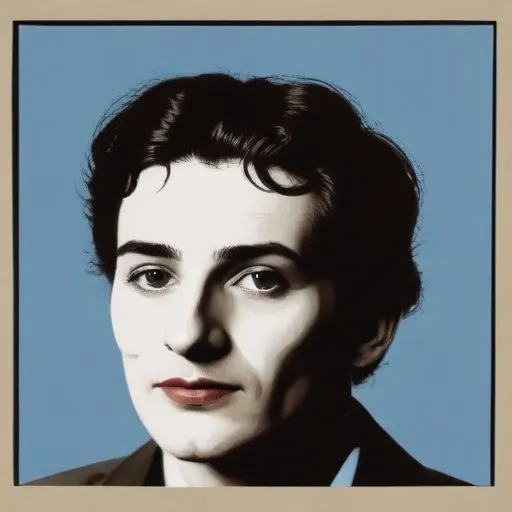
A pioneering photographer and painter capturing the essence of French high society and carefree youth in the early 20th century through his vibrant and intimate snapshots. His work embodies the spirit of joie de vivre and nostalgia.
Jacques Henri Lartigue is renowned for his captivating photographs of automobile races, planes, and fashionable Parisian women, capturing the essence of early 20th-century France. With a career spanning over seven decades, Lartigue's work is a testament to his innovative and artistic approach to photography.
Born on June 13, 1894, in Courbevoie, a western suburb of Paris, Lartigue was immersed in a world of creativity from a young age. He began taking photographs at the tender age of seven, using a Kodak Brownie camera to capture the carefree moments of his friends and family.
Lartigue was one of the first artists to use the Kodak Brownie camera for snapshots, pioneering a new era in photography. He went on to capture iconic images of:
Many of his initial photographs were originally captured in stereo, showcasing his innovative approach to the medium.
In his middle age, Lartigue concentrated on painting, which became his primary source of income. However, he continued taking photographs and maintained written journals about them throughout his life.
At the age of 69, his boyhood photographs were discovered by Charles Rado of the Rapho agency, who introduced Lartigue to John Szarkowski, curator of the Museum of Modern Art. This serendipitous encounter led to an exhibition of Lartigue's work at the museum, which was followed by publication in Life magazine in 1963.
This rediscovery of his work catapulted Lartigue to fame, opening doors to opportunities with fashion magazines and recognition worldwide.
Jacques Henri Lartigue's contributions to the world of photography are immeasurable. He remained prolific until his passing on September 12, 1986, leaving behind a treasure trove of images that continue to inspire and delight audiences today.
Through his captivating photographs, Lartigue invites us to revel in the beauty of the human experience, reminding us of the importance of living life to the fullest.
As we gaze upon his masterpieces, we are transported to a bygone era, one that was full of elegance, excitement, and joie de vivre. Jacques Henri Lartigue's legacy is a testament to the power of art to transcend time, inspiring generations to come.
Born in 1908
A pioneer of street photography, capturing life's fleeting moments in elegant, geometric compositions that defined the genre. Known for coining the term "the decisive moment."
Born in 1890
A pioneer of avant-garde photography, this artist experimented with techniques like solarization and rayography, creating surreal, dreamlike images that blurred the line between art and photography.
Born in 1895
Documented the lives of those affected by the Great Depression and the Dust Bowl through powerful, poignant photographs that humanized the struggles of the era. Captured iconic images that shaped the national conversation around poverty and social justice.
Born in 1902
Pioneering landscape photographer and conservationist capturing iconic black-and-white images of the American West, advocating for environmental protection through art.
Born in 1912
A French photographer and journalist, capturing intimate, humorous, and poignant moments of everyday life in post-war France, particularly in Paris, through his iconic black-and-white images.
Born in 1857
Documenting Paris' streets, architecture, and everyday life through photographs, capturing the city's essence and beauty. 40
