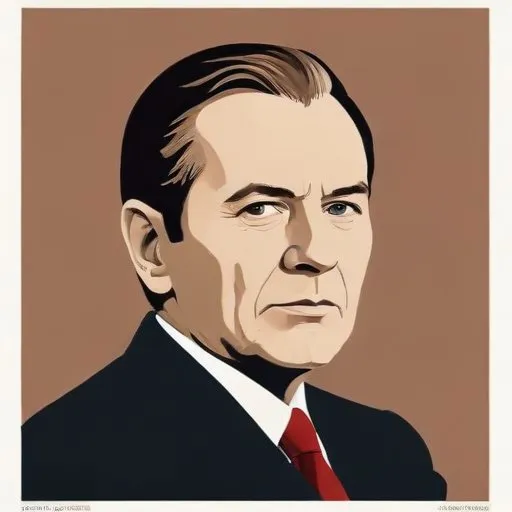
Jacques Rogge: The Illustrious Sports Administrator and Physician
A Legacy of Distinction in the World of Olympic Sports
Jacques Rogge, the eighth President of the International Olympic Committee (IOC), left an indelible mark on the world of sports, serving as a beacon of excellence and dedication for over four decades. As a physician, athlete, and sports administrator, Rogge's remarkable career was characterized by a relentless pursuit of promoting Olympic ideals and fostering harmony among nations through the power of sports.
Early Life and Career
Born on May 2, 1942, in Ghent, Belgium, amidst the tumultuous backdrop of World War II, Rogge's life was shaped by the values of discipline, perseverance, and resilience. He was educated at the esteemed Jesuit private school Sint-Barbaracollege and later at the University of Ghent, where he earned his medical degree. Rogge's athletic prowess was evident early on, as he went on to become a 16-time Belgian national champion in rugby and a one-time yachting world champion.
Rise to Prominence
Rogge's entry into the world of sports administration was marked by his election as president of the Belgian Olympic Committee in 1989, a position he held until 1992. He then assumed the presidency of the European Olympic Committees, serving from 1989 to 2001. In 1991, Rogge became a member of the IOC, and his dedication and vision eventually led to his election as the IOC's Executive Board member in 1998.
Presidency of the IOC (2001-2013)
Rogge's ascension to the presidency of the IOC in 2001 marked a new era of growth and transformation for the Olympic Movement. Under his leadership, the IOC implemented various reforms, including the introduction of women's sports, expansion of the Olympic Program, and measures to ensure the Games' financial sustainability. Rogge's commitment to the Olympic ideals was exemplified by his innovative approach to engaging with athletes, as seen in his decision to stay in the Olympic Village during the 2002 Winter Olympics in Salt Lake City.
Awards and Honors
Rogge's contributions to the world of sports were recognized with numerous accolades, including his appointment as a count in the Belgian nobility by King
Albert II in 2002. He was also awarded the gold Olympic Order by his successor in 2013.
Personal Milestones and Key Life Events
- Rogge competed in the Finn class of sailing in three Summer Olympic Games (1968, 1972, and 1976)
- He was knighted in 1992
- Rogge became the IOC's Honorary President in 2013, a lifetime position
- He passed away on August 29, 2021, after a long battle with Parkinson's disease
Legacy and Impact
Jacques Rogge's unwavering dedication to the Olympic Movement has left an indelible mark on the world of sports. His visionary leadership, commitment to excellence, and passion for promoting harmony among nations through sports have inspired generations of athletes, administrators, and enthusiasts alike. As a testament to his enduring legacy, Rogge's contributions will continue to shape the future of the Olympic Games and inspire future generations to strive for greatness.
FAQ
What was Jacques Rogges role in the Olympics?
Jacques Rogge served as the eighth President of the International Olympic Committee (IOC) from 2001 to 2013, overseeing significant reforms and modernization efforts.
What changes did Jacques Rogge implement in the IOC?
Rogge introduced several key reforms, including the Olympic Charter, the Olympic Truce, and the establishment of the Olympic Youth Games, promoting Olympic values and inclusivity.
How did Jacques Rogge address doping in the Olympics?
Rogge took a strong stance against doping, introducing stricter testing measures and increasing cooperation with national anti-doping agencies to ensure a cleaner Olympics.
What was Jacques Rogges vision for the Olympics?
Rogge aimed to promote Olympic values, such as unity, solidarity, and fair play, while also modernizing the Games to appeal to a younger, more diverse audience.
What awards did Jacques Rogge receive?
Jacques Rogge was awarded the Olympic Order, the highest IOC honor, as well as the Grand Cordon of the Order of Leopold, among other accolades, for his distinguished service to the Olympic Movement.