


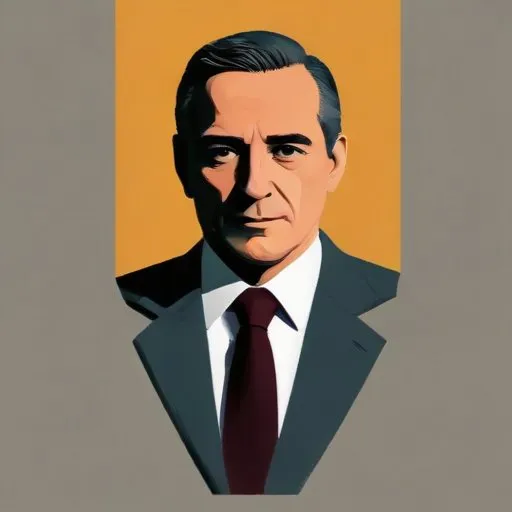
The 7th President of the International Olympic Committee, a Spanish businessman who oversaw significant growth and modernization of the Olympic Games, and was a key figure in bringing the Olympics to new host cities.
Juan Antonio Samaranch, the seventh President of the International Olympic Committee (IOC), is revered for transforming the Olympic Games into the global spectacle it is today. During his 21-year tenure from 1980 to 2001, Samaranch infused the Olympic Movement with a new sense of purpose, unity, and commercial viability, cementing his place as one of the most influential figures in modern Olympic history.
Born on July 17, 1920, in Barcelona, Spain, Samaranch was raised in a wealthy Catalan family. Amidst the Spanish Civil War, he was conscripted into the Spanish Republican Armed Forces as a medical assistant in 1938. However, his sympathies lay with the Nationalists, and he defected to Nationalist-held territory via France. This experience would later shape his political affiliations and worldview.
Samaranch's entry into sports administration began with his involvement in roller hockey, a sport in which he excelled and even created the World Championships in 1951. He served as a city councilor for Barcelona, responsible for sports, from 1954 to 1967. His subsequent roles included delegate for physical education and sport in the Spanish Parliament and president of the provincial council of Barcelona.
In 1967, Samaranch became a member of the IOC, marking the beginning of his ascent to the presidency. His diplomatic skills and experience in international relations, honed during his tenure as Spanish Ambassador to the Soviet Union and Mongolia (1977-1980), served him well in his Olympic endeavors.
In 1955, Samaranch married Maria Teresa Salisachs Rowe, with whom he had two children, Juan Antonio Jr. and Maria Teresa. Juan Antonio Jr. would later follow in his father's footsteps, becoming a member of the IOC.
Samaranch's tireless efforts to modernize and expand the Olympic Games have had a profound impact on the global sports landscape. His commitment to unity, friendship, and fair play continues to inspire generations of athletes, officials, and spectators alike. Today, the Olympic Movement stands as a testament to his vision, perseverance, and leadership.
"The Olympic Games are a celebration of humanity, a beacon of hope for a better world."
"Sport has the power to bring people together, to transcend borders and boundaries, and to promote understanding and peace."
Juan Antonio Samaranch passed away on April 21, 2010, leaving behind a rich legacy that continues to shape the world of sports and beyond. His contributions to the Olympic Movement will forever be remembered as a testament to his unwavering dedication to the values of excellence, friendship, and unity.
88 Years Old
The former King of Spain who reigned from 1975 to 2014, known for transitioning the country from dictatorship to democracy and playing a key role in preventing a military coup in 1981.
Born in 1887
The 5th President of the International Olympic Committee, a businessman who oversaw the Olympics during a time of great change and controversy, and made decisions that still impact the games today.
84 Years Old
A Belgian businessman who served as the eighth President of the International Olympic Committee (IOC) from 2001 to 2013, overseeing three Summer and three Winter Olympics. He's known for his efforts to reform the IOC and promote Olympic values.
Born in 1863
Founded the International Olympic Committee, reviving the ancient Greek Olympic Games and creating a global athletic phenomenon. Known for promoting international unity and athletic excellence through the modern Olympic movement.
Born in 1876
Belgian businessman who served as the fifth President of the International Olympic Committee (IOC) from 1925 to 1942, playing a key role in shaping the modern Olympic Games.
