


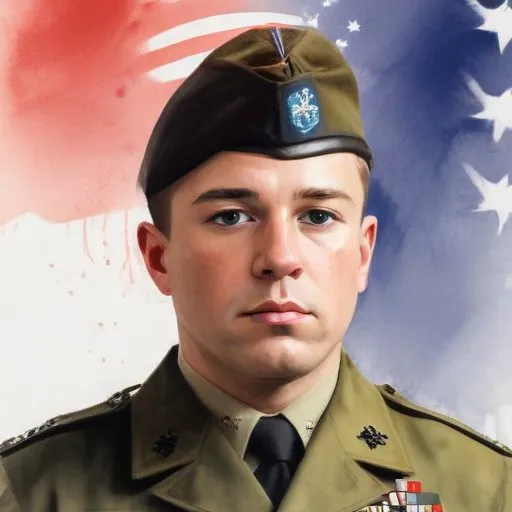
An American soldier and politician who served in the Mexican-American War and later became a U.S. Senator from Louisiana, known for his strong states' rights views and support for slavery.
James Carr, a prominent figure in early American politics, is best known for serving as a member of the United States House of Representatives from Maine, then a district of Massachusetts. His remarkable life, marked by a passion for public service, mercantile pursuits, and adventure, has left an indelible mark on American history.
Born on September 9, 1777, in Haverhill, Massachusetts, James Carr was the son of Francis Carr, a U.S. Congressman. He attended Phillips Exeter and Byfield Academies, and later went to sea as a clerk on the U.S.S. Crescent, an experience that would shape his future endeavors.
Carr's career in politics began when he joined his parents in Bangor, Maine, where he engaged in mercantile pursuits and served as a member of the Massachusetts House of Representatives from 1806 to 1811, representing the District of Maine. His dedication and leadership skills earned him a seat in the U.S. House of Representatives, where he served as a Federalist in the Fourteenth Congress from 1815 to 1817.
Carr's personal life was marked by joy and tragedy. He married Betsey Stelle Jarvis, and they had a daughter, Mary. In 1818, while traveling with his family on a steamboat, his 9-year-old daughter fell overboard, and Carr heroically attempted to save her, ultimately losing his own life in the process. His body was never recovered, leaving behind a grieving family and community.
James Carr's legacy extends beyond his legislative accomplishments. He was a devoted public servant, dedicated to the development of Maine and its people. His tragic death served as a reminder of the sacrifices made by those who serve their country. Today, a memorial at Bangor's Mount Hope Cemetery stands as a testament to his contributions to American history.
James Carr's commitment to public service and his untimely death have inspired generations of Americans to dedicate themselves to the betterment of their communities. His story serves as a reminder of the importance of selfless leadership and the sacrifices made by those who serve their country.
Born in 1880
A highly decorated war hero and master strategist who led troops to victory in World War I and II, and later became a prominent figure in the occupation of Japan.
Born in 1885
A renowned military leader who played a crucial role in World War II, particularly in the Allied victory in Europe, known for his bold tactics and unapologetic style.
Born in 1893
Led the US Army in World War II and became the last five-star general, playing a crucial role in shaping post-war American military strategy. He's also known for his humble and unassuming leadership style.
Born in 1890
Led the Allied forces to victory in World War II and later served as President, maintaining peace and prosperity during the Cold War era. He's known for his strategic leadership and diplomatic skills.
Born in 1885
Led the U.S. Pacific Fleet to victory in World War II, playing a crucial role in defeating Japan and ending the war. He was a highly respected and decorated naval leader.
Born in 1906
A pioneering Air Force general who played a crucial role in shaping the US military's strategic bombing capabilities during World War II and the Cold War. He's also known for his hawkish stance on communism and his influence on US foreign policy.
Born in 1891
Led the US Air Forces to victory in World War II, pioneering the use of strategic bombing and playing a crucial role in shaping the US military's air power.
