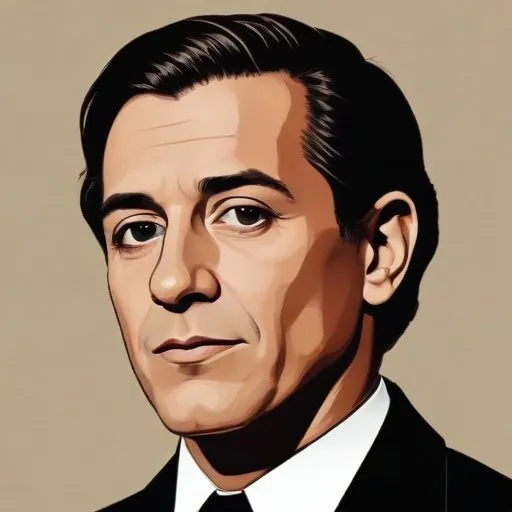
James Di Pasquale: A Maestro of Modern Music
A Legacy of Sonic Innovation
James Di Pasquale is a renowned American musician and composer, celebrated for his groundbreaking contributions to contemporary classical music and his iconic scores for television and film. With a career spanning over five decades, Di Pasquale has left an indelible mark on the music industry, earning him three Emmy Awards and six nominations.
The Early Years: A Foundation for Greatness
Born on April 7, 1941, in Chicago, Illinois, Di Pasquale was raised in a family that fostered his love for music. He graduated from St. Mel's High School and went on to study at Northwestern University and the Manhattan School of Music, where he honed his craft under the guidance of esteemed teachers
David Diamond and Ludmila Uhlela.
A Versatile Career: From Woodwinds to Composition
Before devoting himself full-time to composition, Di Pasquale enjoyed a varied career as a woodwinds performer. He played with the Chicago Symphony Orchestra, the Bolshoi Ballet, and the Royal Ballet, and collaborated with jazz legends
Gerry Mulligan,
Ella Fitzgerald,
Henry Mancini, and
Barbra Streisand. As an original member of the Paul Winter Consort, Di Pasquale's versatility and talent earned him a reputation as a consummate musician.
Television and Film Scores: A Legacy of Emotional Resonance
Di Pasquale's music for television has been featured in numerous made-for-TV movies, including
Sarah T. – Portrait of a Teenage Alcoholic (1975),
Fantasies (1982),
Quarterback Princess (1983), and
The Shell Seekers (1989). He has also composed scores for popular television series such as
Columbo,
Lou Grant, and
Hawaii Five-O. His work in television has garnered him three Emmy Awards and six nominations.
Classical Compositions: A Sonic Tapestry
Di Pasquale's compositions for the concert hall are characterized by their emotional depth and nuance. His
Sonata for Tenor Saxophone and Piano and
Quartet for Trumpet, Violin, Viola, and Cello are testaments to his mastery of classical music. These works showcase his ability to craft sonic landscapes that evoke powerful emotions and spark the imagination.
Leadership and Advocacy: Championing the Arts
In 1984, Di Pasquale served as the Organizing Chairman and first President of the Society of Composers and Lyricists. He has also been a member of the Board of Governors of the Academy of Television Arts & Sciences and on the Writers Advisory Committee at the American Society of Composers, Authors, and Publishers (ASCAP). Di Pasquale's commitment to nurturing artistic talent and promoting the arts has had a lasting impact on the music industry.
A Legacy of Innovation and Excellence
James Di Pasquale's remarkable career is a testament to his innovative spirit, technical mastery, and dedication to his craft. As a composer, performer, and advocate for the arts, Di Pasquale continues to inspire generations of musicians and music lovers alike. His contributions to contemporary classical music, television, and film have cemented his place as a true maestro of modern music.
FAQ
What is James Di Pasquales most famous composition?
James Di Pasquales most famous composition is his Concerto for Viola and Orchestra, which has been performed by several major orchestras.
What is James Di Pasquales style of composition?
James Di Pasquales compositional style is characterized by lyrical melodies, complex harmonies, and a focus on instrumental timbre.
Has James Di Pasquale won any awards for his compositions?
Yes, James Di Pasquale has won several awards for his compositions, including the Prix de Rome and the American Academy of Arts and Letters Award.
What is James Di Pasquales connection to the American music scene?
James Di Pasquale is widely regarded as one of the most important American composers of his generation, known for his innovative style and his ability to capture the essence of American musical culture.
Did James Di Pasquale have any influences on his compositions?
James Di Pasquale was influenced by a range of composers, including Igor Stravinsky, Arnold Schoenberg, and Elliott Carter.