


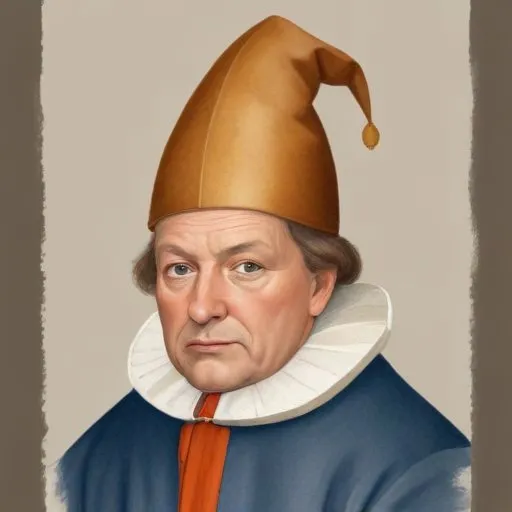
A Flemish Baroque painter, known for his vivid and emotive depictions of mythological and biblical scenes, often featuring dramatic lighting and intense colors.
Jan Cossiers, a prolific Flemish painter and draughtsman, left an indelible mark on the art world with his captivating works that oscillated between genres, styles, and themes. Born in Antwerp in 1600, Cossiers' artistic journey was shaped by the influences of Caravaggio, Rubens, and other masters, ultimately earning him recognition as one of the leading painters in Antwerp during the 17th century.
Cossiers was born to Antoon, a watercolor painter, and Maria van Cleef, and received his initial training from his father. He later moved to the studio of Cornelis de Vos, a prominent portrait and history painter, to further hone his skills.
In 1623, Cossiers traveled to Aix-en-Provence in France, where he studied under the Dutch painter Abraham de Vries. This exposure to diverse artistic styles and techniques significantly influenced his work. During his sojourn in Rome in 1624, Cossiers was exposed to the works of Caravaggio, which had a profound impact on his artistic approach. He returned to Aix-en-Provence in 1626, where he befriended Nicolas-Claude Fabri de Peiresc, a renowned humanist and close friend of Peter Paul Rubens. This connection led to Cossiers' introduction to Rubens, marking the beginning of a significant chapter in his artistic career.
Cossiers' early works were characterized by Caravaggesque genre scenes, depicting everyday life with remarkable attention to detail. As his career progressed, he shifted his focus to history and religious subjects, as well as portraits, showcasing his mastery of color and composition. His draughtsmanship skills were equally impressive, as seen in his sensitive portrait drawings executed in a fluid and varied manner.
In 1628, Cossiers was admitted to the Antwerp Guild of Saint Luke as a wijnmeester, a master who is the son of a master of the guild. This recognition cemented his position as a respected artist in Antwerp.
Jan Cossiers' contributions to Flemish art are undeniable. He was one of the most original colorists of the 17th century, and his work continues to inspire artists and art enthusiasts alike. As a prominent figure in Antwerp's artistic circle, Cossiers played a significant role in shaping the city's cultural landscape during the 17th century.
Cossiers' friendship with Simon de Vos and Johan Geerlof, as depicted in the group portrait Gathering of Smokers and Drinkers, offers a glimpse into his personal life and connections within the artistic community.
Jan Cossiers' remarkable journey, marked by his passion for art, his willingness to learn, and his ability to adapt, has left an enduring legacy in the world of Flemish art. His contributions continue to inspire and delight art lovers to this day.
Born in 1577
A renowned Flemish painter and diplomat, famous for his vivid and emotive Baroque-style masterpieces, particularly his lush nudes and dramatic altarpieces.
Born in 1599
A renowned Flemish-English painter and etcher, famous for capturing the essence of 17th-century European aristocracy through his exquisite portraits, characterized by dramatic lighting and subtle emotional depth.
