


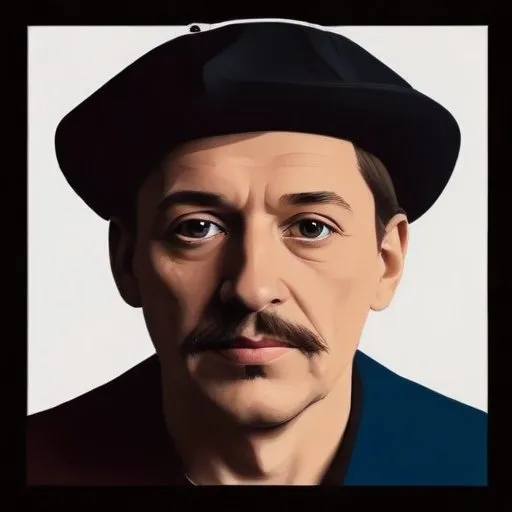
A Dutch Golden Age painter, renowned for his portraits of prominent figures, including royalty and nobility, characterized by their grandeur and realism.
Jan de Baen, a renowned Dutch portrait painter, lived during the Dutch Golden Age, a period of immense cultural and artistic prosperity in the Netherlands. He was celebrated for his exquisite portraits of the most distinguished people of his time, including royalty, nobility, and prominent figures, earning him a prestigious reputation in the art world.
Born on February 20, 1633, in Haarlem, Holland, Dutch Republic, De Baen's life took a dramatic turn when he lost his parents at a young age. He was taken in by his uncle, Hinderk Pyman or Piemans, in Emden, who introduced him to the world of painting. De Baen's natural talent was nurtured by his uncle, who provided him with his initial painting lessons.
In 1645, De Baen moved to Amsterdam, where he became the pupil of the esteemed painter Jacob Adriaensz Backer. This relationship proved pivotal in shaping De Baen's artistic skills, as Backer was known for his innovative use of color and composition. The three-year apprenticeship (1645-1648) laid the foundation for De Baen's future success as a portrait painter.
De Baen's talent did not go unnoticed for long. He was recruited by the exiled court of Charles II of England, where he worked for several years. This royal appointment not only elevated his status but also exposed him to the art world beyond the Netherlands.
After the English Restoration of 1660, De Baen opted to remain in the Netherlands, settling in The Hague. This decision proved wise, as he went on to establish himself as a prominent portrait painter, coveted by the aristocracy and upper echelons of society.
De Baen's portraits were highly sought after during his lifetime. He painted the crème de la crème of Dutch society, including Cornelis de Witt and his brother Johan de Witt, both alive and deceased. His impressive portfolio also featured the Grandduke of Tuscany and Kingstadtholder William III of England.
Beyond portraits, De Baen's artistic repertoire extended to cityscapes, history paintings, and genre paintings. His versatility and mastery of various genres cemented his position as a leading artist of the Dutch Golden Age.
De Baen was not only an accomplished artist but also an dedicated teacher. He instructed his son, Jacobus de Baen, who went on to become a painter in his own right. De Baen's pupils also included notable artists such as Johann Friedrich Bodecker, Denys Godijn, and Hendrik van Limborch, among others.
Today, De Baen's oeuvre is recognized as a testament to his skill and artistry. His contributions to the world of portraiture continue to inspire and influence artists to this day.
De Baen passed away in 1702, around his 69th birthday, and was buried in The Hague on March 8, 1702. Despite his passing, De Baen's artistic legacy lives on, a testament to his enduring impact on the world of art.
Jan de Baen's remarkable life and artistic achievements serve as a reminder of the transcendent power of art to capture the essence of humanity, leaving an indelible mark on the world.
Born in 1610
A 17th-century master of peasant scenes, capturing rustic life with humor and empathy. His genre paintings offer a glimpse into the daily lives of ordinary people.
Born in 1629
A Dutch master of domestic scenes, capturing intimate moments of everyday life in 17th-century Holland with remarkable light and atmosphere. His works offer a glimpse into the lives of ordinary people during the Dutch Golden Age.
Born in 1622
A Dutch master of light and shadow, known for his innovative use of chiaroscuro and his captivating, intimate portraits.
