


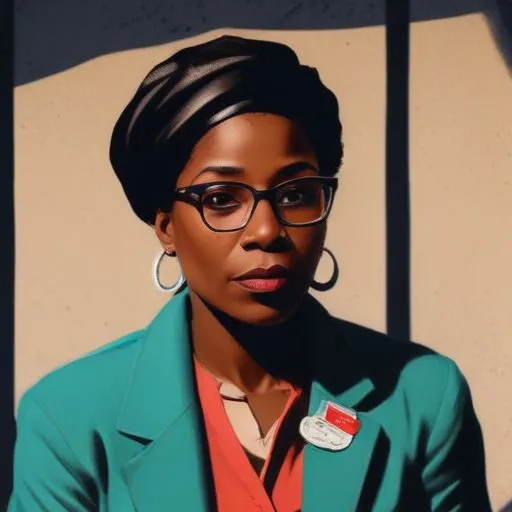
Pioneering social worker who founded the Phillis Wheatley Association, a settlement house for African-American women, and advocated for racial equality and women's rights.
Jane Edna Hunter is renowned for establishing the Phillis Wheatley Association of Cleveland, a pioneering organization that provided shelter, assistance, and education to countless African American women. This remarkable social worker's tireless efforts to uplift her community have left an indelible mark on the history of social justice.
Born on December 13, 1882, on the Woodburn Farm plantation near Pendleton, South Carolina, Hunter grew up in a sharecropping family that moved frequently in search of better opportunities. After her father's untimely death in 1892, she took on domestic work to support her family, beginning her education at the age of 14 at the Ferguson and Williams Academy in Abbeville, South Carolina. Hunter graduated with an eighth-grade education in 1900.
In 1904, Hunter completed a year of nursing training at the Hampton Institute in Virginia, and later moved to Cleveland, Ohio, in 1905. It was during this period that she recognized the dire need for a safe haven for African American women, many of whom were struggling to find employment and independence. This realization sparked a fire within her, driving her to establish the Working Girls Association in 1911, which would later become the Phillis Wheatley Association of Cleveland.
Hunter's vision for the Phillis Wheatley Association was crystal clear: to provide a safe, supportive environment where African American women could find solace, education, and empowerment. The association's doors opened in 1911, with Hunter working tirelessly to expand its services, including the establishment of a beauty school, dining facilities, a nursery school, and the Booker T. Washington playground. This remarkable institution became a haven for countless women, offering them a chance to rebuild their lives and aspire to greatness.
Hunter's achievements did not stop at the Phillis Wheatley Association. In 1925, she became one of the first African American women to graduate from the Cleveland State University College of Law, paving the way for future generations of women to pursue careers in law. Her unwavering dedication to social justice and education earned her a place in the Ohio Bar, making her a trailblazer in every sense of the word.
Jane Edna Hunter's remarkable life's work has left an indelible mark on the lives of countless African American women. Her legacy extends far beyond the walls of the Phillis Wheatley Association, inspiring generations of social workers, educators, and community leaders to continue her work. As we reflect on her remarkable journey, we are reminded of the transformative power of determination, compassion, and dedication to creating a better world for all.
Born in 1868
A pioneering figure in the struggle for racial equality, advocating for civil rights and social justice through groundbreaking research and powerful writings.
Born in 1856
A pioneering figure in African-American education, he founded the Tuskegee Institute and advocated for racial uplift through self-improvement and economic empowerment. His autobiography, "Up from Slavery," remains a classic of American literature.
Born in 1862
A pioneering African American journalist and anti-lynching crusader who exposed the horrors of racial violence in the South through her writing and activism.
Born in 1875
Pioneering educator and civil rights activist who founded a school for African American students in Florida and advised several US presidents on racial issues.
Born in 1908
A trailblazing lawyer and civil rights champion who broke racial barriers in the US justice system, serving as the first African American on the Supreme Court. He fought tirelessly for equality and justice, leaving a lasting impact on American history.
Born in 1913
Refused to give up her seat on a Montgomery, Alabama bus to a white person, sparking the Montgomery Bus Boycott, a pivotal event in the Civil Rights Movement.
97 Years Old
A prominent leader in the civil rights movement, advocating for racial equality and social justice through nonviolent means, leaving a lasting impact on American history.
