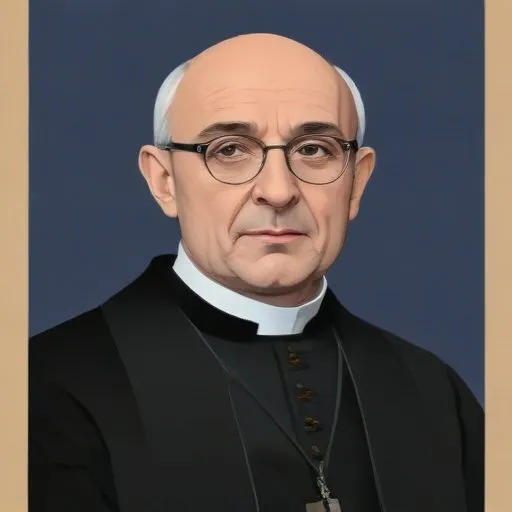
Jean-Antoine Nollet: The French Physicist Who Electrified the 18th Century
A Pioneer in the Realm of Electricity
Jean-Antoine Nollet, also known as Abbé Nollet, was a French clergyman and physicist who made groundbreaking contributions to the field of electricity. He is credited with discovering osmosis and conducting a series of experiments that laid the foundation for the development of modern electrical science.
A Life of Learning and Discovery
Born on November 19, 1700, Nollet's intellectual curiosity was evident from a young age. He studied humanities at the Collège de Clermont in Beauvais, starting in 1715, and later completed a master's degree in theology at the University of Paris in 1724. Although he was ordained as a deacon in the Catholic Church in 1728, he suspended his clerical career to pursue his passion for science.
The Socit des Arts: A Hub for Innovation
In 1728, Nollet joined the Socit des Arts, a prestigious association of natural philosophers and scientists. Under the patronage of Comte de Clermont, the Socit aimed to apply scientific principles to practical arts. This affiliation provided Nollet with opportunities to collaborate with prominent figures, including Charles François Du Fay and René-Antoine Ferchault de Réaumur, and conduct experiments in various fields, such as anatomy, thermometry, and magnetism.
Electrifying Experiments
Nollet's work with Du Fay between 1731 and 1733 focused on electrical experiments, leading to significant advancements in the field. He also traveled with Du Fay to England in 1734 and the Netherlands in 1736, meeting prominent physicists and expanding his knowledge. In 1734, he became a member of the Royal Society of London, further solidifying his reputation as a leading authority on electricity.
The Leyden Jar: A Landmark Invention
Nollet is credited with naming the Leyden jar, a groundbreaking invention by Pieter van Musschenbroek. To finance his own experimental instruments, Nollet began building and selling duplicates of the jar, making it more accessible to scientists across Europe.
A Legacy of Innovation
Throughout his life, Nollet's work had a profound impact on the development of modern science. His experiments and discoveries paved the way for future generations of scientists, including
Alessandro Volta and
Michael Faraday. Nollet's legacy extends beyond his scientific contributions, as he embodies the spirit of curiosity and innovation that defines the 18th century Enlightenment.
Key Works and Contributions
- Essai sur l'électricité des corps (1746) - A comprehensive treatise on electricity, showcasing Nollet's experiments and theories.
- Lettres sur l'électricité (1753) - A collection of letters written to prominent scientists, discussing Nollet's research and findings.
Award and Recognition
Nollet's contributions to science earned him numerous accolades, including his election as a member of the Royal Academy of Sciences in 1735.
A Lasting Impact
Jean-Antoine Nollet's pioneering work in electricity has left an indelible mark on the scientific community. His discoveries and experiments continue to inspire and inform scientific inquiry to this day, cementing his place as one of the most influential scientists of the 18th century.
FAQ
Who was Jean-Antoine Nollet?
Jean-Antoine Nollet was a French priest and physicist who was active during the 18th century. He is best known for his work on electricity and the discovery of the Leyden jar.
What were Jean-Antoine Nollets contributions to the study of electricity?
Jean-Antoine Nollet made significant contributions to the study of electricity, including the discovery of the Leyden jar, which is a precursor to the modern capacitor. He also conducted extensive research on the properties of electricity.
What was Jean-Antoine Nollets role in the French scientific community?
Jean-Antoine Nollet was a prominent figure in the French scientific community, serving as a professor of physics at the University of Paris and as a member of the French Academy of Sciences.
What was Jean-Antoine Nollets relationship with Benjamin Franklin?
Jean-Antoine Nollet corresponded with Benjamin Franklin, who was also working on electricity at the time. Although they disagreed on some aspects of electricity, they maintained a respectful and professional relationship.
What was Jean-Antoine Nollets legacy?
Jean-Antoine Nollets legacy is that of a pioneering physicist who made significant contributions to our understanding of electricity. His work paved the way for later scientists, including Alessandro Volta and Michael Faraday.