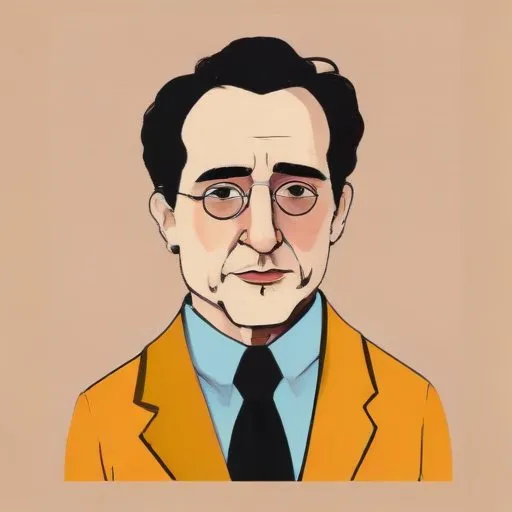
The Pantheistic Prophet of Provence: Jean Giono
A Life of Words and Wisdom
Jean Giono, the acclaimed French writer, is renowned for his poignant and evocative novels that transport readers to the sun-kissed landscapes of Provence. His works, infused with a profound respect for nature and humanity, have captivated audiences worldwide, earning him a revered place in the annals of French literature.
Early Life and Inspirations
Born on March 30, 1895, in Manosque, Provence, Giono's humble beginnings were marked by a strong connection to the land and its people. His father, a cobbler of Piedmontese descent, and his mother, a laundry woman, instilled in him a deep love for the region's rich cultural heritage. Despite being forced to leave school at 16 to work in a bank, Giono's voracious appetite for literature continued to grow, fueled by the works of great classics, including the Bible, Homer's Iliad, and Virgil's poetry.
The Pan Trilogy: A Pacifist's Ode to Nature
Giono's most celebrated works, the Pan trilogy –
Colline (1929),
Un de Baumugnes (1929), and
Regain (1930) – cemented his reputation as a master storyteller. These novels, inspired by the Greek god Pan, evoke a sense of mysticism and reverence for the natural world. The trilogy's success, marked by the prestigious Prix Brentano, enabled Giono to devote himself to writing full-time.
A Life of Pacifism and Creative Expression
The horrors of World War I, in which Giono served on the front lines, had a profound impact on his worldview. The experience transformed him into a passionate pacifist, a theme that would permeate his writing. Marriage to a childhood friend, Blanche Luc, brought stability and joy, and the couple had two children together. Giono's subsequent works continued to explore the human condition, often set against the idyllic backdrop of Provence.
Influence on Modern Society
Giono's literary legacy extends beyond the realm of literature. His works have inspired numerous film adaptations, including Marcel Pagnol's celebrated films,
Regain,
Angle, and
La Femme du boulanger. His writing has also influenced generations of writers, including the likes of
Jean-Paul Sartre and
Albert Camus.
Philosophical Contributions and Beliefs
Giono's philosophy was rooted in a deep respect for nature and humanity. He believed in the interconnectedness of all living beings and the importance of living in harmony with the natural world. His writing reflects this philosophy, often weaving together themes of pacifism, environmentalism, and humanism.
Personal Milestones and Key Life Events
- 1895: Born in Manosque, Provence, France
- 1919: Returned to the bank after World War I
- 1920: Married Blanche Luc and started a family
- 1929: Published Colline, winning the Prix Brentano
- 1930: Published Un de Baumugnes and Regain, completing the Pan trilogy
- 1970: Passed away on October 8, leaving behind a legacy of literary masterpieces
Quotes and Memorable Sayings
"The earth is a book, and those who do not travel read only one page." – Jean Giono
Giono's words continue to inspire and provoke, inviting readers to embark on a journey of self-discovery and exploration of the human experience. As we delve into the world of this remarkable writer, we are reminded of the transformative power of literature to shape our perceptions and broaden our understanding of the world around us.
FAQ
What is Jean Gionos most famous novel?
Jean Gionos most famous novel is Jean le Bleu, a semi-autobiographical work that explores the lives of a group of young men in rural France. The novel is known for its lyrical prose and its exploration of themes such as identity, community, and the human condition.
How did Jean Gionos experiences in World War I influence his writing?
Jean Gionos experiences in World War I had a profound influence on his writing. He was deeply affected by the trauma and violence he witnessed, and he often explored themes of pacifism and anti-militarism in his work.
What is Jean Gionos literary style?
Jean Gionos literary style is characterized by its lyricism and its emphasis on the natural world. He often used vivid descriptions of landscapes and nature to explore deeper themes and emotions.
How did Jean Gionos regionalism influence his writing?
Jean Gionos regionalism had a significant influence on his writing. He was deeply rooted in the culture and traditions of his native Provence, and he often explored themes related to regional identity and community.
What is Jean Gionos legacy in French literature?
Jean Gionos legacy in French literature is that of a pioneering writer who helped to establish the genre of rural literature. His emphasis on the natural world and his exploration of themes related to identity and community have influenced generations of French writers.