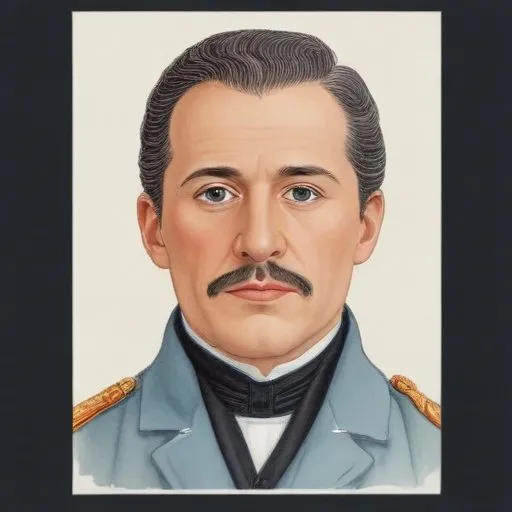
Louis-Ferdinand Céline: The Controversial French Novelist and Physician
A Life of Contrasts: Pioneering Literary Style and Divisive Ideologies
Louis-Ferdinand Céline, born Louis Ferdinand Auguste Destouches, was a French novelist, polemicist, and physician who left an indelible mark on 20th-century literature. Céline's innovative writing style, characterized by its use of working-class speech and pessimistic depiction of the human condition, garnered both critical acclaim and controversy.
Early Life and Influences
Céline was born on May 27, 1894, in Courbevoie, France, to Fernand Destouches and Marguerite-Louise Céline Guilloux. His family had roots in Normandy and Brittany, and his father worked as a middle manager in an insurance company, while his mother owned an antique lace boutique. This eclectic background would later influence his writing, which often explored the intersection of social classes and the human experience.
Literary Career and Innovations
Céline's debut novel,
Journey to the End of the Night (1932), won the prestigious Prix Renaudot and established him as a prominent literary figure. However, the work's pessimistic tone and experimental style sparked heated debates among critics. Undeterred, Céline continued to push boundaries with subsequent novels, including
Death on the Installment Plan (1936),
Guignol's Band (1944), and
Castle to Castle (1957). Maurice Nadeau aptly described Céline's accomplishments: "What Joyce did for the English language... what the surrealists attempted to do for the French language, Céline achieved effortlessly and on a vast scale."
Controversies and Antisemitism
Céline's literary prowess was unfortunately marred by his antisemitic views, which he publicly espoused in a series of polemical works from 1937 onwards. He advocated for a military alliance with Nazi Germany and continued to express these views during the German occupation of France. Following the Allied landing in Normandy in 1944, Céline fled to Germany and later Denmark, where he lived in exile. In 1951, he was convicted of collaboration by a French court, but was soon pardoned by a military tribunal.
Legacy and Impact
Despite his controversial past, Céline is widely regarded as one of the greatest French novelists of the 20th century. His innovative literary style has inspired generations of writers, including
Jean-Paul Sartre,
Albert Camus, and
Samuel Beckett. Céline's works continue to be studied and debated in academic and literary circles, and his influence can be seen in various aspects of modern French literature.
Personal Life and Later Years
Céline returned to France after his pardon and resumed his careers as a doctor and author. He died on July 1, 1961, leaving behind a complex and multifaceted legacy. Despite his controversies, Céline's literary contributions remain an integral part of French cultural heritage.
Inspirational Quotes
- "I'm not a racist, I'm a patriot."
- "To hell with the literary precipice! I'm going to write about the abyss."
- "War: a massacre of people who don't know each other for the profit of people who know each other but don't care."
Honors and Recognition
Céline's literary achievements were recognized with numerous honors, including the Prix Renaudot (1932) and the Prix Goncourt (posthumous, 1961). His works have been translated into numerous languages and continue to be widely read and studied worldwide.
Trivia and Fun Facts
- Céline's pen name is derived from his mother's maiden name, Céline Guilloux.
- He was a medical doctor and served in World War I, where he was injured and decorated for bravery.
- Céline's writing style was heavily influenced by his experiences as a doctor in working-class neighborhoods.
Visual Timeline and Milestones
- 1894: Born in Courbevoje, France
- 1932: Publishes Journey to the End of the Night, winning the Prix Renaudot
- 1937: Begins publishing antisemitic polemical works
- 1944: Flees to Germany and later Denmark during World War II
- 1951: Convicted of collaboration, then pardoned by a military tribunal
- 1961: Dies on July 1, leaving behind a complex literary legacy
FAQ
What was Louis-Ferdinand Célines most famous novel?
Louis-Ferdinand Célines most famous novel is Journey to the End of the Night, which is considered one of the most important French novels of the 20th century. Its a semiautobiographical work that explores themes of alienation and disillusionment.
How did Louis-Ferdinand Célines medical career influence his writing?
Louis-Ferdinand Célines medical career had a significant impact on his writing. His experiences as a doctor during World War I and the interwar period informed his writing and gave him a unique perspective on human suffering and mortality.
What were Louis-Ferdinand Célines political views?
Louis-Ferdinand Célines political views were complex and controversial. He was initially a supporter of the French Left, but later became associated with far-right and anti-Semitic ideologies, which have been widely criticized.
Did Louis-Ferdinand Céline have any notable literary influences?
Yes, Louis-Ferdinand Céline was influenced by a range of literary figures, including Émile Zola, Fyodor Dostoevsky, and Friedrich Nietzsche. He was also interested in the works of French Symbolist poets like Arthur Rimbaud.
What is Louis-Ferdinand Célines legacy in modern literature?
Louis-Ferdinand Célines legacy in modern literature is complex and contested. While his writing is widely admired for its innovative style and powerful themes, his political views and anti-Semitic statements have been widely criticized and continue to be a subject of debate.