


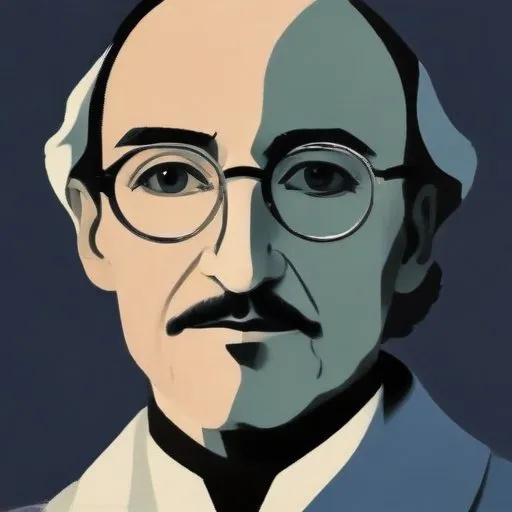
A French composer and educator, known for his operas and sacred music, particularly his beautiful and expressive melodies. He was a prominent figure in the Parisian musical scene during the late 18th century.
JeanPaulgide Martini, also known as JeanPaulGilles Martini, is best known for his iconic vocal romance Plaisir d'amour, which inspired the 1961 Elvis Presley pop standard "Can't Help Falling in Love". As a French composer of German birth during the classical period, Martini left an indelible mark on the world of opera, church music, and beyond.
Born Johann Paul Aegidius Martin on August 31, 1741, in Freystadt, Bavaria, Martini was the son of schoolmaster Andreas Martin and his wife Barbara. He received his education at the Jesuit seminary in Neuburg an der Donau and later started studying philosophy in Freiburg im Breisgau, although he quit unfinished.
After adopting the code name "Schwarzendorf" temporarily, Martini readopted his original family name in the Italianized form "Martini" after moving to France. He established a successful career as a court musician, directing concerts for Queen Marie Antoinette and adapting to the changing regimes throughout the French Revolution. His melodic opera L'amoureux de quinze ans, written in 1771, enjoyed great success, and his highly popular church music combined old forms with modern theatricality.
In 1788, Martini paid 16,000 livres to become surintendant de la musique du roi, although the French Revolution prevented him from taking office. He later became a professor of composition at the Paris Conservatoire in 1800. After the Bourbon Restoration in 1814, Martini was finally appointed surintendant de la musique du roi, a position he held until his death.
Martini's music has endured for centuries, with his melodic opera and church music continuing to inspire generations of composers and musicians. His legacy extends beyond his own compositions, as his influence can be seen in the works of other famous composers, including Mozart and Beethoven.
In 1764, Martini married Marguerite Camelot, and the couple had a fulfilling personal life despite the turmoil of the French Revolution. Martini's adaptability and resilience in the face of changing regimes and personal challenges are a testament to his strength of character.
Martini's music has had a profound impact on modern society, with his melodies and compositions continuing to influence popular culture. From Elvis Presley's "Can't Help Falling in Love" to modern classical music, Martini's legacy can be seen in many aspects of contemporary music.
As a master of melodic opera and church music, JeanPaulgide Martini left an indelible mark on the world of classical music. His compositions, though born of a bygone era, continue to captivate audiences today, a testament to the timeless power of his music.
Born in 1683
A prominent figure in the Baroque period, this composer and theorist revolutionized Western classical music with innovative harmonies and treatises on music theory, shaping the course of classical music.
Born in 1714
A pioneering opera composer who revolutionized the art form with his innovative and expressive works, blending music and drama in a way that captivated audiences.
Born in 1782
A virtuosic violinist and composer who revolutionized the instrument's technical possibilities, leaving an indelible mark on classical music.
Born in 1811
A virtuosic pianist and composer who revolutionized classical music with his technically demanding and emotionally expressive works, blending Hungarian folk influences with Romantic-era drama.
Born in 1810
A Polish pianist and composer renowned for his delicate, expressive, and technically demanding piano music that evokes deep emotions and continues to inspire generations of musicians and music lovers. His nocturnes, waltzes, and preludes are staples of classical music.
Born in 1803
A French Romantic-era mastermind who composed iconic symphonies, operas, and orchestral works, revolutionizing classical music with his bold, expressive style.
Born in 1813
A renowned composer of iconic operas like La Traviata and Aida, known for his masterful blending of drama and music. His works continue to captivate audiences worldwide.
Born in 1813
A revolutionary composer who transformed opera with his epic, mythological works, creating a new era of musical storytelling. His iconic operas, such as "Der Ring des Nibelungen," continue to captivate audiences worldwide.
