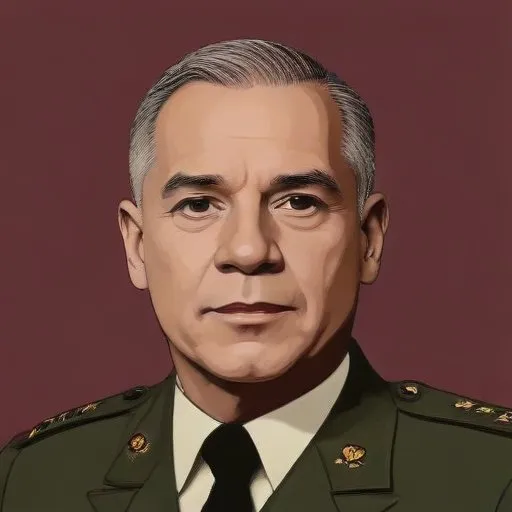
Jesse Brown: A Champion for Veterans' Rights
A Trailblazer in the United States Government
Jesse Brown, a decorated veteran of the United States Marine Corps, made history as the first African American to serve as the Secretary of Veterans Affairs, a position he held from 1993 to 1997 under President
Bill Clinton's administration. During his tenure, Brown worked tirelessly to improve healthcare services and benefits for the nation's veterans, leaving a lasting impact on the lives of those who served.
Early Life and Military Service
Born on March 27, 1944, in Detroit, Michigan, Brown grew up in Chicago, Illinois, and graduated with honors from the City Colleges of Chicago. He enlisted in the United States Marine Corps in 1963 and served in the Vietnam War, where he was seriously injured in 1965 near Da Nang. His right arm was left partially paralyzed, but this did not deter him from continuing to serve his country.
A Career Advocate for Veterans
In 1967, Brown joined the Disabled American Veterans (DAV), a service and advocacy organization founded in 1920 to assist disabled veterans. He began taking classes at Roosevelt University in Chicago and later moved to Washington, D.C., where he continued his education at The Catholic University of America. Brown's dedication to the DAV led to various supervisory roles, including supervisor of National Service Office, supervisor of National Appeals Office, and Chief of Claims.
Rise to National Prominence
In 1988, Brown became the first African American executive director of the DAV, serving until 1993. His leadership and commitment to veterans' rights did not go unnoticed, as he was subsequently selected by President Clinton to become the Secretary of Veterans Affairs.
Legacy and Impact
During his tenure as Secretary of Veterans Affairs, Brown worked to improve healthcare services, increase funding for veterans' programs, and expand benefits for veterans and their families. He also played a crucial role in shaping the national conversation on veterans' affairs, raising awareness about the importance of supporting those who have served.
Personal Milestones and Key Life Events
- Born on March 27, 1944, in Detroit, Michigan
- Graduated with honors from the City Colleges of Chicago
- Married to Sylvia Scott Brown, with two children, N. Scott Brown and Carmen Brown
- Served in the United States Marine Corps from 1963 to 1967
- First African American executive director of the Disabled American Veterans (1988-1993)
- First African American Secretary of Veterans Affairs (1993-1997)
Awards and Honors
- Recipient of the Purple Heart for his service in Vietnam
- Received the Distinguished Service Medal, the highest award given by the Department of Veterans Affairs
Philosophical Contributions and Beliefs
Brown's commitment to serving others was rooted in his strong sense of duty and responsibility. He believed that those who have served their country deserve the highest level of respect and care, and he worked tirelessly to ensure that veterans received the support they needed.
Impact on Modern Society
Jesse Brown's legacy extends far beyond his own accomplishments. He paved the way for future generations of veterans' advocates and inspired countless individuals to dedicate their lives to serving others. His unwavering commitment to veterans' rights has left a lasting impact on modern society, ensuring that those who have served their country are never forgotten.
FAQ
What is Jesse Browns most notable achievement in the US Marine Corps?
Jesse Brown is a decorated American marine and politician, serving as the 2nd United States Secretary of Veterans Affairs, making him the first African American to hold the position.
How did Jesse Browns military service shape his political views?
Jesse Browns military service instilled in him a strong sense of duty, loyalty, and compassion, which he later applied to his political career, advocating for veterans rights and benefits.
What were Jesse Browns contributions to veterans affairs?
As Secretary of Veterans Affairs, Jesse Brown worked to improve healthcare services, benefits, and education for veterans, focusing on those from underserved communities.
How did Jesse Browns leadership style impact the Department of Veterans Affairs?
Jesse Browns leadership style was characterized by his commitment to transparency, accountability, and customer service, which led to significant reforms and improvements within the Department of Veterans Affairs.
What legacy has Jesse Brown left in American politics?
Jesse Browns legacy extends beyond his accomplishments as Secretary of Veterans Affairs, as he has paved the way for future African American leaders in politics and inspired countless individuals to serve their country.