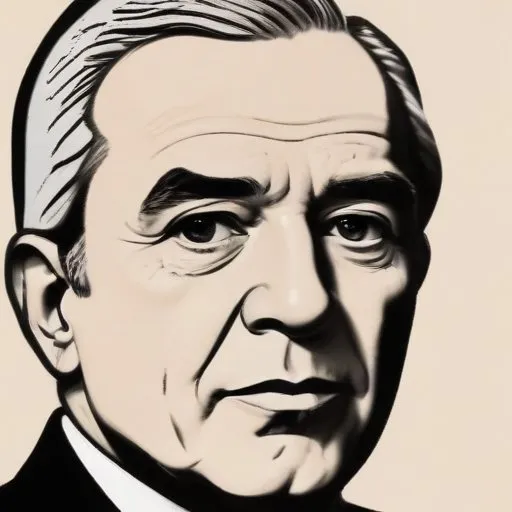
Maxwell D. Taylor: The Distinguished Military Leader and Diplomat
A Legendary Military Career
Maxwell Davenport Taylor is renowned for his exceptional military career, which spanned over four decades and earned him the respect of his peers and the gratitude of his country. As the commander of the 101st Airborne Division, nicknamed "The Screaming Eagles," during World War II, Taylor demonstrated unwavering bravery and tactical brilliance, playing a crucial role in the Allied victory.
Early Life and Education
Born on August 26, 1901, in Keytesville, Missouri, Taylor was raised in Kansas City and graduated from Northeast High School. He attended Kansas City Polytechnic Institute before gaining a Congressional appointment to the United States Military Academy at West Point, where he graduated fourth in his class in 1922.
Rise to Prominence
Taylor's military career was marked by rapid advancement and diverse assignments. He served in Hawaii, France, and Japan, demonstrating a remarkable aptitude for languages and international relations. As an instructor at West Point, he taught French and Spanish, and later attended the United States Army Command and General Staff College, where he honed his strategic thinking.
World War II and the 101st Airborne Division
Taylor's most notable achievement came during World War II, when he commanded the 101st Airborne Division. Under his leadership, the division played a pivotal role in key battles, including D-Day, Operation Market Garden, and the Battle of the Bulge. Taylor's exceptional leadership and bravery earned him numerous awards, including the Distinguished Service Medal, Legion of Merit, and Bronze Star.
Post-War Diplomatic Career
In the post-war era, Taylor transitioned to a diplomatic role, serving as the Chief of Staff of the United States Army from 1955 to 1959. He was later appointed as the Chairman of the Joint Chiefs of Staff by President
John F. Kennedy in 1962, a position he held until 1964. During this period, Taylor played a significant role in shaping the country's military strategy and foreign policy, including the early stages of the Vietnam War.
Controversy and Legacy
Taylor's involvement in the Vietnam War has been the subject of controversy, with some critics accusing him of contributing to the escalation of the conflict. Despite this, his legacy as a distinguished military leader and diplomat remains unblemished. He is remembered for his unwavering commitment to his country, his troops, and the principles of democracy.
Awards and Honors
Taylor's illustrious career was marked by numerous awards and honors, including:
- Distinguished Service Medal
- Legion of Merit
- Bronze Star
- Army Distinguished Service Medal (2)
- Navy Distinguished Service Medal
- Air Force Distinguished Service Medal
Personal Life and Family
Taylor was married to Lydia Gardner Houghton and had two sons,
John Maxwell Taylor and Thomas Happer Taylor, both of whom followed in their father's footsteps and pursued careers in the military and academia.
Legacy and Impact
Maxwell D. Taylor's life and career serve as a testament to the values of duty, honor, and country. His contributions to the United States military and foreign policy continue to inspire generations of leaders and policymakers. As a distinguished military leader and diplomat, Taylor's legacy will endure as a shining example of excellence and dedication to the service of others.
FAQ
What was Maxwell D. Taylors role in the US military?
Maxwell D. Taylor was a US Army general and diplomat who served as the United States Ambassador to South Vietnam from 1964 to 1965. He was a key figure in the development of US policy in Vietnam.
What was Maxwell D. Taylors stance on the Vietnam War?
Maxwell D. Taylor was a strong supporter of US involvement in the Vietnam War, believing that it was essential to prevent the spread of communism in Southeast Asia.
Did Maxwell D. Taylor have any notable conflicts or disagreements?
Yes, Maxwell D. Taylor had notable conflicts and disagreements with other US officials, including President Lyndon B. Johnson and Secretary of Defense Robert McNamara, over the conduct of the Vietnam War.
What was Maxwell D. Taylors role in the development of US military strategy?
Maxwell D. Taylor played a significant role in the development of US military strategy, particularly in the area of counterinsurgency. He was a proponent of a more gradual and nuanced approach to the war.
What is Maxwell D. Taylors legacy in the context of the Vietnam War?
Maxwell D. Taylors legacy is one of controversy and debate. While he was a respected military leader, his support for the Vietnam War has been criticized by many as naive and misguided.