


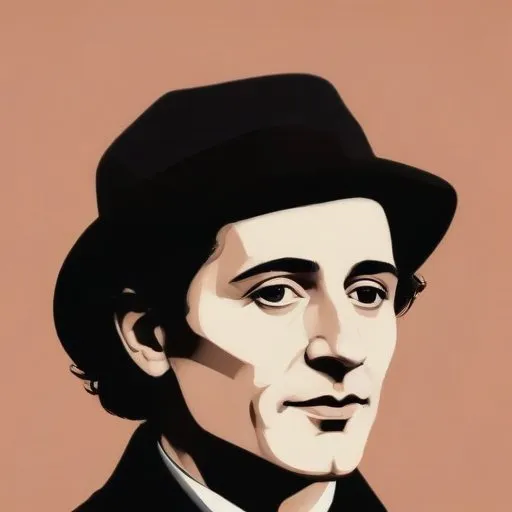
A German poet and critic who wrote influential works on literature and aesthetics, shaping the country's literary scene in the 18th century.
Johann Elias Schlegel, a prominent German critic and dramatic poet, is renowned for his significant contributions to the world of literature, particularly in the realm of aesthetics and drama. His works, characterized by their wit, satire, and depth, have had a lasting impact on the literary landscape of the 18th century.
Born on January 17, 1719, in Meissen, Schlegel was educated at the esteemed Schulpforta and later at the University of Leipzig, where he pursued a degree in law. This solid educational foundation laid the groundwork for his future endeavors in literature and criticism.
Schlegel's literary career was marked by his association with the influential Bremer Beiträge, a prominent literary journal of the time. He was also the editor of the weekly periodical, Der Fremde, during his time in Denmark. His dramatic works, including the comedies Der Triumph der guten Frauen and Die stumme Schönheit, as well as the tragedies Hermann and Canut, showcased his mastery of the craft.
Schlegel's works played a significant role in preparing the way for the esteemed writer, Gotthold Ephraim Lessing. Lessing, who warmly appreciated Schlegel's genius, was heavily influenced by his critical writings and dramatic works. This legacy has had a lasting impact on German literature, shaping the course of literary development in the centuries that followed.
Schlegel's brother, J.H. Schlegel, edited his works in five volumes between 1761 and 1770. This collection provides valuable insights into Schlegel's literary contributions, showcasing his unique perspective on aesthetics and drama. His influence can be seen in the works of later literary figures, including his nephews, August Wilhelm and Friedrich von Schlegel, who went on to become prominent writers in their own right.
In 1743, Schlegel became the private secretary to his relative, von Spener, the Saxon ambassador at the Danish court. This appointment marked a significant turning point in his life, allowing him to cultivate his literary talents in a stimulating environment. Later, in 1748, he was appointed professor extraordinary at the academy of Sor, where he spent the final year of his life.
Schlegel's legacy continues to inspire scholars and literary enthusiasts alike, offering a unique window into the literary landscape of 18th-century Germany. His groundbreaking works, characterized by their wit, satire, and depth, have cemented his place as a prominent figure in German literary history.
Born in 1749
A German literary giant who penned iconic works like "Faust" and "The Sorrows of Young Werther", shaping the Romantic movement and influencing countless writers.
Born in 1759
A renowned poet and playwright who crafted influential works that explored the human condition, morality, and the struggle for freedom, leaving a lasting impact on German literature.
Born in 1729
A prominent Enlightenment thinker, he's known for his influential writings on philosophy, literature, and theology, which helped shape modern German culture. He's also credited with developing the concept of dramatic irony in literature.
Born in 1744
A German Enlightenment thinker who shaped modern philosophy, literature, and anthropology with his ideas on cultural relativism, nationalism, and the importance of folklore. He's often considered the father of comparative literature.
Born in 1772
A key figure in German Romanticism, this poet and philosopher explored the mysteries of nature, the human condition, and the power of the imagination through lyrical and dreamlike writings.
Born in 1767
A leading figure in the German Romantic movement, he was a poet, translator, and critic who played a key role in shaping the country's literary scene. His translations of Shakespeare's works into German are still widely read today.
