


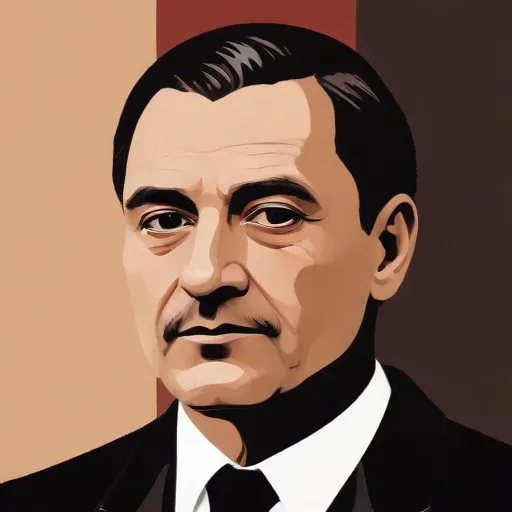
Johann Karl August Musus is celebrated for his pioneering work in collecting German folk stories, which he cleverly retold as satires in his remarkable collection, Volksmärchen der Deutschen (1782-1787). This extraordinary body of work showcases Musus' unique blend of wit, irony, and storytelling prowess, earning him recognition as one of the earliest and most influential collectors of German fairy tales.
Born on March 29, 1735, in Jena, Germany, Musus was the only son of Joseph Christoph Musus, a respected judge. Following his father's appointment as a councillor and police magistrate in Eisenach in 1743, Musus moved to live with his godfather and uncle, Dr. Johann Weienborn, in Allstedt. Under his uncle's guidance, Musus received a nurturing education, which would ultimately shape his love for literature and storytelling.
In 1754, Musus enrolled at the University of Jena to study theology, a path likely chosen by his godfather rather than himself. During this time, he was admitted into the prestigious German Society, a testament to his exceptional academic merits. After completing his Master's degree, Musus returned to Eisenach, awaiting a Church appointment, which ultimately never materialized.
Despite his father's disapproval, Musus began to pursue a career in satire, abandoning his theological ambitions. This marked a turning point in his life, as he discovered his true calling as a writer and storyteller.
Musus' literary debut came with the publication of Grandison der Zweite (1760-1762), a satirical work that cleverly mocked Samuel Richardson's character, Sir Charles Grandison. Later, in 1781-1782, Musus reworked and re-released this collection under the title Der deutsche Grandison.
His magnum opus, Volksmärchen der Deutschen, is a testament to Musus' mastery of satire and storytelling. This collection of German fairy tales, reimagined as biting satires, showcases his unique wit and ability to poke fun at societal norms and conventions.
Johann Karl August Musus' pioneering work in collecting and retelling German folk stories has left an indelible mark on German literature. His satirical approach to storytelling has inspired generations of writers, and his legacy continues to influence contemporary German literature and folklore.
Through his work, Musus has not only preserved Germany's rich cultural heritage but has also contributed to the evolution of satire as a literary genre. His remarkable fusion of humor, irony, and social commentary has cemented his place as one of the most important German writers of the 18th century.
Musus' life, marked by twists and turns, serves as a testament to his resilience and dedication to his craft. His remarkable journey from theology to satire has left an enduring legacy, ensuring his place as one of Germany's most celebrated writers and storytellers.
Born in 1776
A German Romantic-era mastermind who crafted dark, fantastical tales and composed mesmerizing music, leaving an indelible mark on literature and classical music.
Born in 1773
A German Romantic poet, author, and critic who wrote influential works of fantasy and horror, shaping the genre and inspiring later writers like Edgar Allan Poe.
Born in 1778
Romantic-era writer of fantastical and often dark tales, exploring themes of love, death, and the supernatural. His works are considered precursors to modern fantasy literature.
53 Years Old
A Jamaican artist who blends dancehall, reggae, and pop to create infectious hits, known for his energetic stage presence and chart-topping singles like "Gimme the Light" and "Baby Boy".
Born in 1781
A German botanist and poet who traveled the world, discovering new plant species and writing romantic poetry that explored the human condition.
Born in 1797
A 19th-century literary mastermind who penned poignant poetry and biting social commentary, known for his witty satire and romantic verses that still resonate today.
Born in 1759
A renowned poet and playwright who crafted influential works that explored the human condition, morality, and the struggle for freedom, leaving a lasting impact on German literature.
