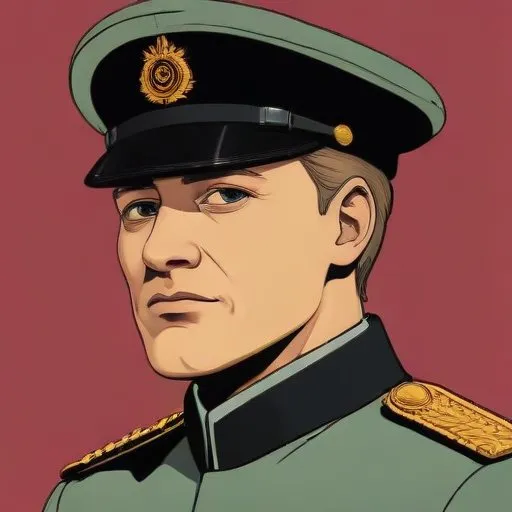
Johann Niemann: The Notorious Deputy Commandant of Sobibor
A Figure of Infamy in the Holocaust
Johann Niemann is notorious for his role as the deputy commandant of Sobibor extermination camp during Operation Reinhard, one of the most heinous periods in human history. As a high-ranking SS officer, Niemann was instrumental in the brutal murder of countless innocent lives, earning him a reputation as a ruthless and merciless individual.
Early Life and SS Career
Born on August 4, 1913, Niemann joined the Nazi Party in 1931 and the SS in 1934. He rapidly rose through the ranks, serving in various concentration camps, including Beec, where he commanded Camp II, the extermination area. His experience and ruthlessness eventually led to his transfer to Sobibor, where he became deputy commander.
The Reign of Terror at Sobibor
Niemann's tenure at Sobibor was marked by brutality and bloodshed. He was known for his vicious disciplinary methods, often ordering the execution of prisoners on the slightest suspicion of dissent. His reign of terror was so feared that even his fellow SS officers viewed him as exceptionally cruel.
The Sobibor Perpetrator Album
In 2020, a shocking discovery shed new light on Niemann's atrocities. His wartime photo album, now known as the Sobibor perpetrator album, was made public by his descendants. The collection of photographs provides a chilling glimpse into the daily life of an SS officer, showcasing the atrocities committed at Sobibor.
The Fateful Uprising
On October 14, 1943, a prisoner uprising took place at Sobibor, led by a group of determined inmates. Niemann, the highest-ranking SS officer on duty that day, was targeted and assassinated by Alexander Shubayev, a Jewish Red Army soldier imprisoned at Sobibor. Niemann's demise marked a turning point in the history of Sobibor, as the camp was eventually closed in the aftermath of the uprising.
Legacy of Evil
Johann Niemann's heinous crimes have been immortalized in popular culture, with portrayals in films such as "Escape from Sobibor" (1987) and "Sobibor" (2018). His name has become synonymous with the atrocities committed during the Holocaust, serving as a grim reminder of the dangers of unchecked power and fanaticism.
Rank and Decorations
- SS-Untersturmführer (equivalent to second lieutenant)
- Nazi Party Member No. 753,836
- SS Member No. 270,600
Niemann's legacy serves as a stark warning against the dangers of hatred, intolerance, and the unchecked abuse of power. His name will forever be etched in history as a symbol of the darkest aspects of human nature.
FAQ
What was Johann Niemanns role in World War II?
Johann Niemann was a German lieutenant who served in the Waffen-SS during World War II, and was responsible for overseeing the construction of the Auschwitz-Birkenau concentration camp. He was also involved in the implementation of the Holocaust, and was known for his brutal treatment of prisoners.
What happened to Johann Niemann after the war?
After the war, Niemann went into hiding and evaded capture. He was never brought to trial for his crimes, and his exact fate remains unknown. It is believed that he died in the 1950s, but the exact date and circumstances of his death are unclear.
What was Johann Niemanns connection to Auschwitz-Birkenau?
Niemann was the commander of the SS Central Construction Office at Auschwitz-Birkenau, where he oversaw the construction of the camps gas chambers and crematoria. He was responsible for ensuring that the camps facilities were capable of carrying out the mass extermination of prisoners.
What kind of crimes did Johann Niemann commit during the war?
Niemann was responsible for numerous war crimes and atrocities, including the murder of thousands of prisoners, primarily Jews, at Auschwitz-Birkenau. He was also known for his role in the implementation of the Final Solution, the Nazi plan to exterminate all Jews living in Europe.
Is there any evidence of Johann Niemanns involvement in war crimes?
Yes, there is extensive evidence of Niemanns involvement in war crimes, including documents and testimony from former prisoners and Nazi officials. Niemanns own writings and documents, including his diary and letters, also provide insight into his role in the Holocaust.