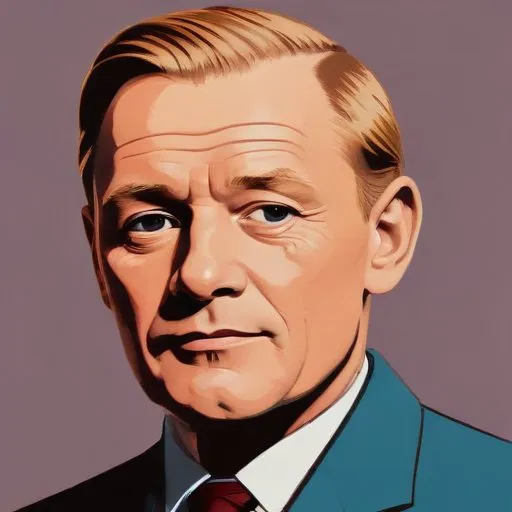
Johannes V. Jensen: The Danish Literary Icon
A Giant in Danish Literature
Johannes V. Jensen, a Danish author, is renowned for his exceptional literary works that have left an indelible mark on the world of literature. He was awarded the prestigious Nobel Prize in Literature in 1944, a testament to his remarkable poetic imagination, intellectual curiosity, and bold, freshly creative style.
Early Life and Influences
Born on January 20, 1873, in Fars, a village in North Jutland, Denmark, Jensen grew up in a rural environment. His father, a veterinary surgeon, instilled in him a love for nature and the outdoors. While studying medicine at the University of Copenhagen, Jensen worked as a writer to fund his studies. However, after three years, he abandoned medicine to devote himself fully to literature.
Literary Career
Jensen's literary journey began with the publication of
Himmerland Stories (1898-1910), a series of tales set in the region where he was born. His first masterpiece,
Kongens Fald (
The Fall of the King), published in 1900-1901, is a modern historical novel centered on King Christian II. This work is an indictment of Danish indecision and lack of vitality, which Jensen saw as a national disease.
Jensen's most significant literary achievement is the collection of verses, Digte 1906 (Poems 1906), which introduced the prose poem to Danish literature. He also wrote poetry, plays, and numerous essays, primarily on anthropology and the philosophy of evolution.
Major Works
- Himmerland Stories (1898-1910)
- Kongens Fald (The Fall of the King) (1900-1901)
- Digte 1906 (Poems 1906) (1906)
- Ane og Koen (Anne and the Cow) (short story, translated into English by Victor Folke Nelson)
Philosophical Contributions
Jensen's works often explored themes of pessimism, anthropology, and the philosophy of evolution. His writing style was characterized by a bold, freshly creative approach, which earned him the Nobel Prize in Literature.
Personal Milestones and Key Life Events
Jensen's sister, Thit Jensen, was also a well-known writer and an early feminist. This familial connection likely influenced his writing and worldview.
Legacy and Impact
Johannes V. Jensen's literary contributions have had a profound impact on Danish literature and beyond. His work continues to inspire writers, scholars, and readers alike, ensuring his legacy as one of the greatest Danish writers of the 20th century.
Quotes and Memorable Sayings
While Jensen's quotes are not widely available, his writing speaks for itself, offering insights into his thoughts on politics, society, and human nature.
Influence on Modern Society
Jensen's literary works have influenced generations of writers, shaping the trajectory of Danish literature. His writing has also contributed to a deeper understanding of Danish culture and society, promoting cross-cultural exchange and appreciation.
Comparative Analysis with Contemporaries
Jensen's unique style and thematic explorations set him apart from his contemporaries. His writing was characterized by a bold, freshly creative approach, which distinguished him from other writers of his time.
Awards and Honors
- Nobel Prize in Literature (1944)
Conclusion
Johannes V. Jensen's remarkable literary career has left an indelible mark on the world of literature. His writing continues to inspire and influence generations of writers, scholars, and readers, ensuring his legacy as one of the greatest Danish writers of the 20th century.
FAQ
What is Johannes V. Jensens most famous literary work?
Johannes V. Jensens most famous literary work is his novel The Fall of the King, which tells the story of a medieval Danish king and his struggles with power and morality.
What is Johannes V. Jensens literary style?
Johannes V. Jensens literary style is characterized by its use of symbolism, allegory, and mythological themes. His writing often explores the human condition, delving into themes of love, death, and the search for meaning.
What is Johannes V. Jensens contribution to Danish literature?
Johannes V. Jensen was a leading figure in Danish literature, introducing new ideas and styles that influenced future generations of writers. His work helped to establish Denmark as a hub for literary innovation and creativity.
How did Johannes V. Jensens life affect his writing?
Johannes V. Jensens life was marked by personal struggles and tragedy, which had a profound impact on his writing. His experiences influenced his themes and characters, adding depth and complexity to his works.
What is Johannes V. Jensens place in the history of literature?
Johannes V. Jensens place in the history of literature is as a Nobel Prize-winning author who helped to shape the course of Danish literature. His unique style and innovative approaches to storytelling paved the way for future literary movements and authors.