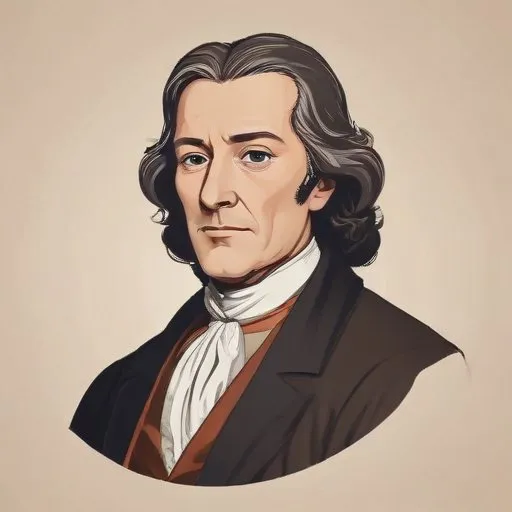
John Aubrey: The Pioneering Antiquary and Writer
A Legacy of Discovery and Innovation
John Aubrey (1626-1697) is best known for his remarkable collection of short biographical pieces,
Brief Lives, which has become a timeless classic in the realm of antiquarian literature. As a pioneer archaeologist, natural philosopher, and writer, Aubrey's work has left an indelible mark on the fields of history, anthropology, and literature.
Uncovering the Past
Aubrey's groundbreaking work in archaeology led to the discovery and documentation of numerous megalithic and field monuments in southern England. His systematic examination of the Avebury henge monument, in particular, has been instrumental in shaping our understanding of prehistoric Britain. The Aubrey holes at Stonehenge, named in his honor, are a testament to his tireless efforts in uncovering the secrets of the past.
A Folklorist Ahead of His Time
Aubrey's fascination with folklore and customs led him to compile a vast miscellany of material under the title
Remaines of Gentilisme and Judaisme. This pioneering work showcases his dedication to preserving the cultural heritage of England, and his contributions to the field of folkloristics remain unparalleled to this day.
A Life of Scholarship and Curiosity
Born into an affluent gentry family in Wiltshire, Aubrey's life was marked by a passion for learning and a boundless curiosity about the world around him. His interests spanned applied mathematics, astronomy, and literature, earning him the respect and admiration of his contemporaries, including some of the greatest scientists of the day.
A Legacy Rediscovered
For much of the 19th and 20th centuries, Aubrey's work was often relegated to the realm of eccentricity and gossip. However, in the 1970s, scholars began to reevaluate his contributions, revealing the full breadth and innovation of his scholarship. Today, Aubrey is recognized as a pioneer in multiple fields, and his unpublished manuscripts, preserved in the Bodleian Library, continue to inspire new generations of researchers and scholars.
Major Works and Contributions
- Brief Lives: A collection of short biographical pieces that has become a classic in antiquarian literature.
- Remaines of Gentilisme and Judaisme: A pioneering work in folkloristics that showcases Aubrey's dedication to preserving cultural heritage.
- Interpretation of Villare Anglicanum: An unfinished work that represents the first attempt to compile a full-length study of English place-names.
A Lasting Impact
John Aubrey's contributions to archaeology, folkloristics, and literature have left a lasting impact on our understanding of history, culture, and the human experience. As a true pioneer, his work continues to inspire and influence scholars, researchers, and enthusiasts to this day.
FAQ
Who was John Aubrey?
John Aubrey was an English historian, philosopher, and antiquarian. He lived from 1626 to 1697 and is best known for his writings on antiquities, folklore, and biography.
What is John Aubreys most famous work?
John Aubreys most famous work is Brief Lives, a collection of short biographies of notable English figures from the 17th century.
What was John Aubreys contribution to antiquarian studies?
John Aubrey was a pioneer in the field of antiquarian studies, conducting extensive research on ancient monuments, folklore, and historical sites in England.
What is John Aubreys legacy?
John Aubrey is remembered as a meticulous researcher and recorder of historical information, and his works continue to be valuable resources for historians and scholars today.
What are some of John Aubreys other notable works?
John Aubrey wrote several other notable works, including Perambulation of Surrey and The Natural History and Antiquities of the County of Surrey.