


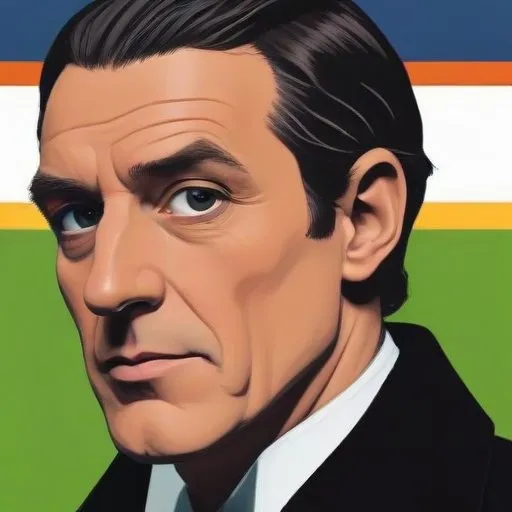
A 19th-century actor and playwright who wrote over 100 plays, many of which were comedies and burlesques, and was known for his wit and satire. He was a popular figure in New York City's theater scene during his time.
Known for his satirical and subversive stage works, John Brougham was an Irish-American actor, dramatist, poet, theatre manager, and author who left an indelible mark on the world of American theatre. With over 75 dramatic works to his credit, he was celebrated for his portrayals of comic Irish characters, earning him the nickname "The American Aristophanes" among critics.
Born on May 9, 1814, in Dublin, Ireland, Brougham began his higher education with the aim of becoming a surgeon. However, fate had other plans, and he was forced to end his studies. He moved to London in 1830, where he began his career as a professional actor.
Brougham's first play was staged in London in 1831. He performed for a decade in the theatre troupe of actress Lucia Elizabeth Vestris and her husband Charles James Mathews, first at the Olympic Theatre and then the Theatre Royal, Covent Garden (now the Royal Opera House). In 1840, he became the manager of the Lyceum Theatre, London.
In 1842, Brougham emigrated to the United States, where he made his stage debut at the Park Theatre, New York City. He rapidly became a favorite actor among the American public, performing in a wide range of contemporary plays. He also worked as a theatre manager in New York City, managing theatres such as Niblo's Garden, Brougham's Lyceum Theatre, and the Bowery Theatre.
In 1844, Brougham became a naturalized American citizen upon his second marriage to American actress Annette Hawley. Despite reaching the height of his popularity, he left the United States just prior to the outbreak of the American Civil War.
Brougham's contributions to American theatre are still celebrated today. His numerous satirical and subversive stage works continue to inspire generations of playwrights and actors. He published two volumes of his miscellaneous writings, which included essays, poems, and other works.
Brougham's works often poked fun at social norms and questioned the established order. He believed that theatre should be a reflection of society, and his plays often tackled complex issues such as identity, class, and politics.
Brougham's influence can be seen in many modern American playwrights, including Eugene O'Neill and Arthur Miller. His use of satire and subversion continues to inspire writers and theatre practitioners today.
John Brougham's legacy is a testament to the power of theatre to challenge and subvert. His contributions to American theatre continue to inspire and delight audiences to this day.
Born in 1806
A renowned 19th-century stage actor and generous benefactor, he was celebrated for his powerful performances in Shakespearean roles and his philanthropic efforts in establishing a home for retired actors.
Born in 1793
A renowned 19th-century thespian and theatre manager, known for his powerful stage presence and innovative productions that elevated the art of acting. He was a pioneer in the development of realism in acting.
Born in 1838
A renowned Victorian-era actor and theatre manager, known for his powerful stage presence and innovative productions that raised the standards of English theatre.
Born in 1847
A renowned stage actress of the late 19th and early 20th centuries, celebrated for her powerful performances in Shakespearean plays and her iconic beauty.
Born in 1854
A witty and flamboyant literary mastermind, renowned for crafting clever, humorous, and poignant works that continue to delight audiences with their clever wordplay and societal commentary.
Born in 1812
A renowned author of timeless classics, crafting vivid stories that exposed social injustices and explored the human condition, leaving an indelible mark on literature.
Born in 1820
A renowned Irish actor and playwright, he wrote and performed in numerous melodramas, including "The Colleen Bawn" and "The Shaughraun", which were hugely popular in the 19th century. He's known for his sensational and romanticized portrayals of Irish life.
