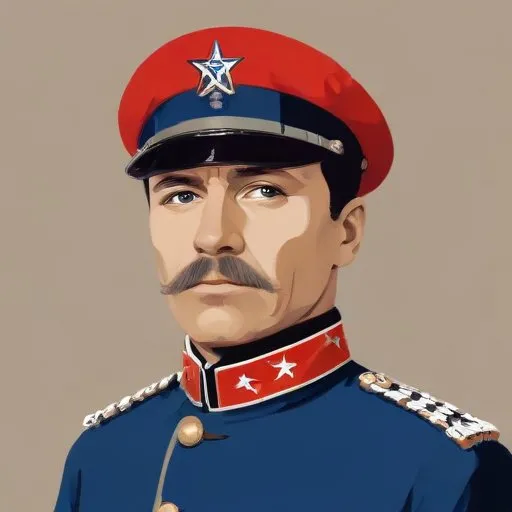
John C. Pemberton: The Controversial Confederate Lieutenant General
A Career Marked by Triumph and Defeat
John C. Pemberton is best known for his role as a Confederate lieutenant general during the American Civil War, where he led the Army of Mississippi from December 1862 to July 1863. His most notable action was as the commanding officer during the Confederate surrender at the Siege of Vicksburg, a pivotal battle that gave the Union control of the Mississippi River.
Early Life and Career
Born on August 10, 1814, in Philadelphia, Pennsylvania, Pemberton was the second child of John and Rebecca Clifford Pemberton. His ancestor, Phineas Pemberton, traveled to the Colony of Pennsylvania from Lancashire, England alongside
William Penn in 1682. Pemberton's early life was marked by a strong sense of duty and patriotism, which led him to enter the United States Military Academy in 1833. During his time at West Point, he developed a close friendship with George G. Meade, a future Union general.
Rise to Prominence
Pemberton graduated from the United States Military Academy in 1837, standing 27th in his class out of 50 cadets. He was commissioned a second lieutenant in the 4th U.S. Artillery Regiment on July 1, 1837, and went on to participate in the Second Seminole War in Florida. His early military career was marked by garrison duty at various forts and stations, including Fort Columbus, Governors Island, New York, and Fort Mackinac, Michigan.
The Mexican-American War and Beyond
Pemberton's military career took a significant turn during the Mexican-American War, where he fought with distinction. He was promoted to first lieutenant on March 19, 1842, and later served along the northern U.S. frontier during the brief Canadian Border Disturbances of the Aroostook War. His experience and bravery during this period earned him recognition and praise within the military community.
The American Civil War and the Siege of Vicksburg
When the American Civil War broke out, Pemberton resigned his commission in the United States Army to serve as a Confederate lieutenant general. He led the Army of Mississippi from December 1862 to July 1863, playing a crucial role in the Siege of Vicksburg. Unfortunately, his leadership during this battle was marked by controversy and criticism, ultimately leading to the Confederate surrender on July 4, 1863.
Legacy and Controversy
Pemberton's legacy is often overshadowed by the controversy surrounding his military career. His decision to surrender at Vicksburg has been subject to much debate, with some viewing it as a necessary evil to prevent further bloodshed, while others see it as a sign of weakness. Despite this, Pemberton's bravery and military prowess cannot be denied, and he remains an important figure in American military history.
Personal Life and Later Years
After the Civil War, Pemberton returned to Pennsylvania, where he lived a quiet life until his death on July 13, 1881. Throughout his life, he maintained a strong sense of loyalty and duty, which guided his decisions and actions during his military career.
Timeline of Key Events
- August 10, 1814: Born in Philadelphia, Pennsylvania
- 1833: Entered the United States Military Academy
- 1837: Graduated from West Point, commissioned as second lieutenant
- 1842: Promoted to first lieutenant
- 1846-1848: Fought in the Mexican-American War
- 1861: Resigned from the United States Army to serve as a Confederate lieutenant general
- December 1862-July 1863: Led the Army of Mississippi
- July 4, 1863: Surrendered at the Siege of Vicksburg
- July 13, 1881: Died in Pennsylvania
Quotes and Memorable Sayings
"I am willing to do my duty, no matter what the cost may be." - John C. Pemberton
Pemberton's legacy serves as a reminder of the complexities and challenges of war, and the difficult decisions that military leaders must make. Despite the controversy surrounding his career, he remains an important figure in American military history.
FAQ
What was John C. Pembertons role in the American Civil War?
John C. Pemberton was a Confederate general during the American Civil War, serving in several key battles, including the Vicksburg Campaign. He eventually surrendered to Union forces, leading to the fall of Vicksburg.
How did John C. Pembertons military strategy impact the war?
John C. Pembertons military strategy, particularly during the Vicksburg Campaign, was criticized for being overly defensive and cautious. His decisions ultimately contributed to the Confederate defeat at Vicksburg.
What was John C. Pembertons relationship with Confederate President Jefferson Davis?
John C. Pemberton had a complicated relationship with Confederate President Jefferson Davis, who was critical of Pembertons military decisions. The two eventually clashed, leading to Pembertons removal from command.
How did John C. Pembertons surrender at Vicksburg impact the war?
John C. Pembertons surrender at Vicksburg on July 4, 1863, was a significant turning point in the American Civil War, as it gave the Union control of the Mississippi River and split the Confederacy in two.
What was John C. Pembertons legacy in the Civil War?
John C. Pembertons legacy in the Civil War is one of controversy and criticism. Despite his bravery and loyalty to the Confederacy, his military decisions and eventual surrender at Vicksburg have been widely debated and scrutinized by historians.