


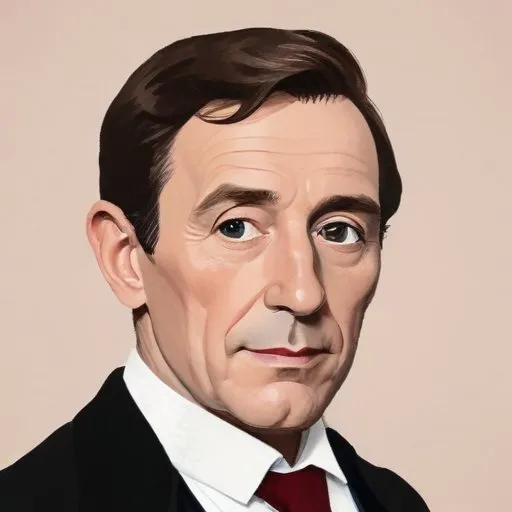
A prominent literary critic and author, known for his insightful and accessible writings on literature, art, and culture. He has written several influential books on literary theory and criticism.
John Carey, a renowned British literary critic, is known for his bold and contrarian views on high culture, challenging the elitist attitudes that often pervade the literary world. As the emeritus Merton Professor of English Literature at the University of Oxford, Carey has left an indelible mark on the academic community with his prolific writings and fierce critiques.
Born on April 5, 1934, in Barnes, London, Carey's intellectual curiosity was nurtured from a young age. He attended Richmond and East Sheen Boys Grammar School, where he won an Open Scholarship to St John's College, Oxford. This opportunity laid the foundation for his future academic pursuits.
Carey's scholarly output is characterized by its breadth and depth, with notable works that have reshaped the literary landscape. Some of his most influential works include:
Carey's most contentious and thought-provoking ideas are encapsulated in his book What Good Are the Arts? (2005), where he argues against the exclusivity and pretentiousness often associated with high culture. His 1992 book, The Intellectuals and the Masses: Pride and Prejudice among the Literary Intelligentsia, 1880-1939, is a scathing critique of Modernist writers, including T.S. Eliot, Virginia Woolf, and W.B. Yeats, for their perceived elitism and misanthropy.
Carey's contributions to literary criticism have been recognized through various accolades, including:
Through his writings and public appearances, Carey has inspired a generation of readers and scholars to rethink their assumptions about high culture and literature. His anti-elitist views have contributed to a more inclusive and diverse literary landscape, encouraging a wider range of voices to be heard.
John Carey's scholarship and critiques have left an indelible mark on the literary establishment. His work continues to shape the way we understand and engage with literature, ensuring that the world of high culture remains accessible and relevant to all.
As a champion of anti-elitism, John Carey's legacy serves as a beacon, inspiring future generations to challenge the status quo and promote a more inclusive and diverse literary landscape.
96 Years Old
A prominent literary critic and scholar who wrote extensively on Western literature, advocating for the importance of reading and understanding the classics. His work has shaped literary theory and criticism, influencing generations of scholars and readers.
83 Years Old
A prominent literary theorist and cultural critic, known for his influential works on Marxist theory, postmodernism, and literary criticism, offering provocative insights into the intersection of politics and culture.
97 Years Old
A renowned philosopher, author, and critic who explored the intersection of language, culture, and morality, and is known for his provocative and erudite writings on the human condition.
77 Years Old
A provocative and influential writer who tackled topics like politics, literature, and religion with wit and intellectual rigor, leaving a lasting impact on modern discourse.
77 Years Old
A celebrated British novelist known for his witty, provocative, and often controversial works that explore the human condition, morality, and the darker aspects of society.
79 Years Old
A celebrated author of magical realist fiction, known for provocative and imaginative novels that explore cultural identity, politics, and history. His writing often sparks controversy and debate.
78 Years Old
A celebrated author of thought-provoking novels and screenplays that explore the human condition, often delving into themes of morality, relationships, and psychological complexity. His works are known for their nuanced characterizations and gripping narratives.
50 Years Old
A critically acclaimed novelist and essayist, known for exploring themes of identity, culture, and social inequality in her works, which often blend elements of fiction and non-fiction.
