


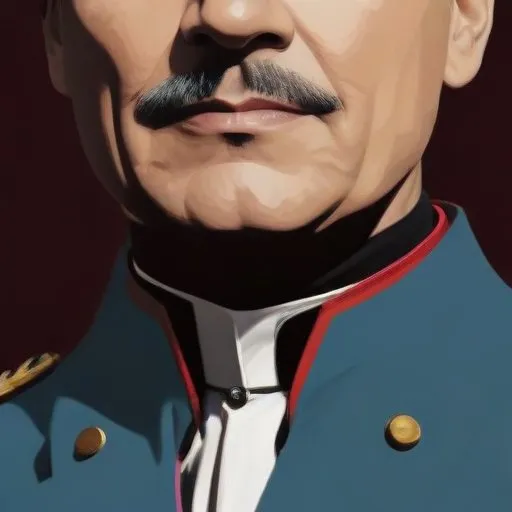
A brutal and controversial figure in American history, known for leading the Sand Creek Massacre, a brutal attack on a village of Cheyenne and Arapaho people, killing many women and children. He was a complex figure, also serving as a pastor and abolitionist.
John Chivington was a Methodist pastor and Mason who served as a colonel in the United States Volunteers during the New Mexico Campaign of the American Civil War. He is infamous for leading the 700-man force responsible for the Sand Creek massacre, one of the most heinous atrocities in American military history.
Chivington was born on January 27, 1821, in Lebanon, Ohio, to Isaac and Jane Chivington. His father had fought under General William Henry Harrison against members of Tecumseh's Confederacy at the Battle of the Thames. Drawn to Methodism, Chivington became a minister and was ordained in 1844. He served as a pastor in Illinois and later moved to Colorado, where he became a prominent figure in the territory's Masonic community.
In 1864, Chivington led a volunteer regiment in the Colorado War, a conflict between the United States government and the Cheyenne and Arapaho tribes. On November 29, 1864, he orchestrated the Sand Creek massacre, during which his men killed and mutilated an estimated 70 to 600 peaceful Cheyenne and Arapaho, mostly women, children, and infants. The atrocity sparked widespread outrage, and Chivington's actions were condemned by the Joint Committee on the Conduct of the War.
Although the Joint Committee on the Conduct of the War condemned Chivington's actions, he was never court-martialed or punished for the massacre. The only punishment he suffered was public exposure, which ended his political aspirations. Chivington's legacy is one of controversy and shame, and his name is often associated with the darkest chapters of American history.
Chivington was a prominent figure in the Freemasonry movement, serving as the first Grand Master of Masons of Colorado in 1861. However, his actions at Sand Creek led to widespread criticism from within the Masonic community. Some Freemasons publicly denounced Chivington's actions, while others supported him, leading to a rift within the organization.
The Sand Creek massacre and Chivington's role in it continue to serve as a reminder of the dark chapters of American history. The atrocity led to increased scrutiny of the United States government's treatment of Native American tribes and sparked a national conversation about the need for accountability and reconciliation.
Today, Chivington's legacy serves as a cautionary tale about the dangers of unchecked military power and the importance of honoring human rights and dignity. His story is a reminder of the need for empathy, compassion, and understanding in our relationships with indigenous communities.
Born in 1800
Abolitionist who led the raid on Harpers Ferry, a pivotal event that helped spark the American Civil War, fighting to end slavery through radical action.
Born in 1809
Led the United States through its Civil War and ultimately abolished slavery, leaving a lasting legacy in American history.
Born in 1822
Led the Union Army to victory in the Civil War and later became President, known for issuing the Emancipation Proclamation and strengthening federal authority.
Born in 1820
A renowned Union general during the American Civil War, he's infamous for his scorched earth tactics and march through the Confederacy, leaving destruction in his wake.
Born in 1839
Led a cavalry regiment in the American Civil War and Indian Wars, ultimately meeting defeat at the Battle of Little Bighorn. He's infamous for his last stand against the Lakota, Cheyenne, and Arapaho tribes.
Born in 1807
Led the Confederate States Army during the American Civil War, surrendering to Union forces at Appomattox, marking the war's effective end.
Born in 1824
A Confederate general during the American Civil War, he's renowned for his unconventional tactics and bravery, earning him a legendary status among military historians.
Born in 1808
The President of the Confederate States of America during the American Civil War, leading the secessionist movement and fighting to preserve slavery. He's infamous for his role in the Civil War and its aftermath.
