


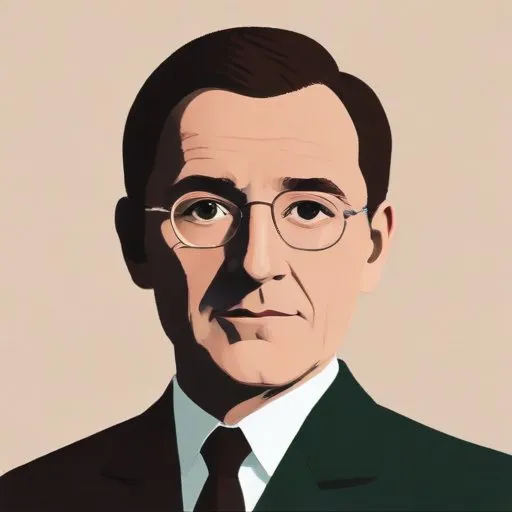
A Northern Irish educator and politician who served as a Member of the European Parliament and leader of the Alliance Party of Northern Ireland, advocating for non-sectarianism and reconciliation.
John Cushnahan is renowned for his dynamic career in politics, spanning over three decades, with a distinct presence in Northern Ireland and the Republic of Ireland. As the leader of the Alliance Party of Northern Ireland from 1984 to 1987, he played a pivotal role in shaping the region's political landscape during a tumultuous period.
Born on 23 July 1948, Cushnahan's educational background includes attending St. Mary's Christian Brothers Grammar School and Queen's University, Belfast. He started his professional journey as a teacher before venturing into politics.
Cushnahan's political career began in 1974 when he became the General Secretary of the Alliance Party. He later served as a Belfast City Councillor for the Area H District from 1977 to 1985 and a Member of the Northern Ireland Assembly (MLA) for North Down from 1982 to 1986.
In 1984, Cushnahan succeeded Oliver Napier as the leader of the Alliance Party. During his tenure, he faced the daunting task of navigating the Anglo-Irish Agreement, which was signed in 1985. Despite the united opposition from Unionist parties, Cushnahan's leadership played a crucial role in shaping the party's stance on this historic agreement.
After stepping down as leader in 1987, Cushnahan made a surprising comeback in 1989 by moving to the Republic of Ireland and contesting the European Parliament election as a Fine Gael candidate. He won a seat in the Munster constituency, marking the beginning of a 15-year tenure as a Member of the European Parliament (MEP).
After retiring from politics in 2004, Cushnahan has continued to contribute to the peace and reconciliation efforts in Northern Ireland. He currently serves as a board member of Cooperation Ireland, a charity dedicated to promoting peace and reconciliation on the island of Ireland.
John Cushnahan's remarkable political journey has left an indelible mark on the history of Northern Ireland and the Republic of Ireland. His leadership, vision, and commitment to peace and reconciliation have inspired generations of politicians and continue to shape the region's political landscape.
89 Years Old
A key figure in Northern Ireland's peace process, serving as Deputy First Minister and playing a crucial role in the Good Friday Agreement. He worked tirelessly to promote reconciliation and unity in the region.
81 Years Old
A Northern Irish lawyer and politician who played a crucial role in the Good Friday Agreement, earning him a Nobel Peace Prize in 1998. He served as the first First Minister of Northern Ireland, working to establish a power-sharing government.
89 Years Old
A Northern Irish educator and politician who played a key role in the Northern Ireland peace process, earning him the Nobel Peace Prize in 1998. He is known for his tireless efforts to bring about reconciliation and peace in his homeland.
77 Years Old
The 3rd First Minister of Northern Ireland, a key figure in the country's peace process, led the Democratic Unionist Party and played a crucial role in shaping the region's politics. He's remembered for his efforts to stabilize the power-sharing government and navigate the complexities of Northern Irish politics.
Born in 1926
A firebrand Protestant leader who played a key role in Northern Ireland's turbulent politics, known for his strong anti-Catholic stance and later, his surprising shift towards power-sharing.
78 Years Old
A Northern Irish businessman and politician who served as Lord Mayor of Belfast, known for his contributions to the country's economic development and peace process.
