


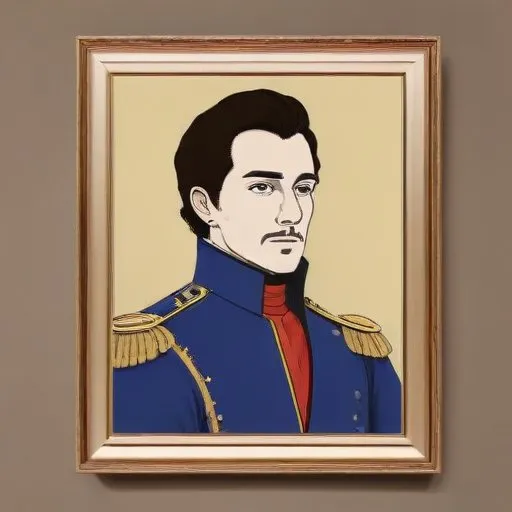
A powerful nobleman in 14th-century England, he played a crucial role in the country's politics and wars, including the Hundred Years' War. He was also a skilled military leader and strategist.
John FitzAlan, 13th Earl of Arundel, is renowned for his pivotal role in shaping the course of English history during the tumultuous 14th century, earning him the esteemed title of "the greatest of all the Earls of Arundel."
As a devoted supporter of the Lancastrian dynasty, FitzAlan played a crucial part in the dynastic struggles that ravaged England, serving as a trusted advisor to King Richard II and later, King Henry IV.
Born in 1385, John FitzAlan was the son of Richard FitzAlan, 11th Earl of Arundel, and Elizabeth de Bohun. Upon his father's death in 1397, FitzAlan inherited the earldom, becoming the 13th Earl of Arundel at the tender age of 12.
FitzAlan's ascension to prominence was marked by his unwavering loyalty to King Richard II, who showered him with favors and titles. He was appointed as one of the king's chamberlains and later, as the king's lieutenant in Ireland. This meteoric rise was further solidified by his marriage to Elizabeth Despenser, a descendant of King Edward I, in 1405.
Following King Richard II's deposition, FitzAlan pledged his allegiance to the new monarch, King Henry IV, a member of the House of Lancaster. This allegiance would eventually prove costly, as FitzAlan became embroiled in the rebellion led by the Earl of Northumberland against King Henry V in 1403. Although the rebellion failed, FitzAlan managed to secure a pardon from the king.
FitzAlan's diplomatic prowess and experience earned him a pivotal role in the negotiations leading to the Treaty of Troyes in 1420, which recognized King Henry V's claim to the French throne. He also played a key role in the Council of Gloucester, which aimed to reform the English government and church.
FitzAlan's personal life was marked by tragedy, including the loss of his only son, John, in 1421. He died on April 21, 1421, at the age of 36, leaving behind a lasting legacy as a devoted statesman, loyal servant, and champion of the Lancastrian cause. His magnificent tomb, located in Arundel Cathedral, serves as a testament to his enduring influence on English history.
John FitzAlan, 13th Earl of Arundel, stands as a testament to the complexities of medieval politics, loyalty, and devotion. His remarkable life serves as a reminder of the intricate web of alliances, rivalries, and power struggles that shaped the course of English history.
Born in 1367
The last king of the House of Plantagenet, deposed in a coup, known for his extravagance and tyranny, leading to his downfall and the rise of the Lancastrian dynasty.
Born in 1340
A powerful and wealthy medieval English nobleman, known for his immense influence on English politics and his role in the Hundred Years' War. He was also a patron of the arts and a founder of Trinity College, Cambridge.
Born in 1284
The king whose disastrous reign led to his eventual deposition and mysterious death, remembered for his alleged homosexual relationships and power struggles with nobles.
Born in 1330
The eldest son of King Edward III, he was a renowned military leader and heir to the English throne, famous for his victories in the Hundred Years' War, particularly the Battle of Poitiers. He was also known for his chivalry and founding the Order of the Garter.
Born in 1133
King of England from 1154 to 1189, known for establishing a strong centralized government, reforming the English church, and his tumultuous relationships with Thomas Becket and his sons.
Born in 1386
Led a victorious English army in the Battle of Agincourt, a major English victory in the Hundred Years' War, and was a popular king who strengthened the English monarchy.
