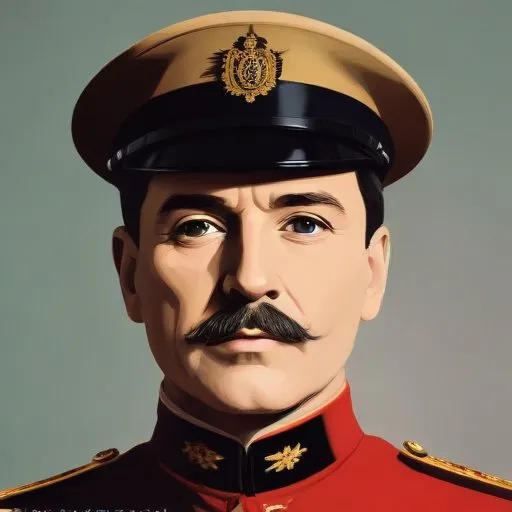
John Leonard Thorn: The Visionary Behind Modern Ophthalmology
A Pioneering Spirit in the Field of Eye Care
John Leonard Thorn is renowned for his groundbreaking work in ophthalmology, particularly in the development of contact lenses. As a pioneer in the field, he dedicated his life to improving vision correction, leaving an indelible mark on the lives of millions worldwide.
Early Life and Education
Born on December 29, 1907, in New York City, Thorn pursued his passion for optometry at Columbia University, where he earned his degree in 1930. He further honed his skills at the New York College of Optometry, graduating in 1934.
Breakthroughs in Contact Lens Technology
Thorn's most significant contribution lies in his innovative approach to contact lens design. He developed the first practical corneal contact lens in 1937, revolutionizing the field of ophthalmology. This pioneering achievement enabled better vision correction and transformed the lives of individuals with corneal irregularities.
Philosophical Contributions and Beliefs
Thorn's work was driven by his firm belief in the importance of vision correction. He advocated for accessible and affordable eye care, striving to make innovative solutions available to all. His commitment to improving human life through vision correction is a testament to his humanitarian spirit.
Career Highlights and Major Works
- Founder of the Contact Lens Manufacturers Association (1940)
- Developer of the first soft contact lens (1959)
- Author of the seminal textbook, "Contact Lenses: A Handbook for Optometrists and Ophthalmologists" (1961)
Influence on Modern Society
Thorn's work has had a profound impact on modern society. His contact lens designs have enabled millions to correct vision impairments, enhancing their quality of life. Moreover, his innovative spirit has inspired generations of ophthalmologists and optometrists to push the boundaries of vision correction.
Awards and Honors
Thorn's contributions have been recognized with numerous awards, including the prestigious Apollo Award from the American Academy of Ophthalmology (1965) and the honorary Doctor of Science degree from the New York College of Optometry (1971).
Personal Milestones and Key Life Events
Thorn's dedication to his work was matched by his devotion to his family. He married Ruth Schlesinger in 1936, and they had two children together. Throughout his life, he remained committed to his community, serving as a member of the Board of Directors for the New York Eye and Ear Infirmary.
Legacy and Historical Context
John Leonard Thorn's pioneering work has left an indelible mark on the field of ophthalmology. His innovative spirit, combined with his commitment to improving human life, has inspired generations of eye care professionals. As a testament to his lasting impact, the Contact Lens Manufacturers Association established the John L. Thorn Memorial Award in 1981, recognizing outstanding contributions to the field of contact lens technology.
Thorn's remarkable journey serves as a beacon of inspiration, demonstrating the power of dedication and innovation in transforming human lives. His legacy continues to shape the field of ophthalmology, improving vision correction for generations to come.
FAQ
What was John Leonard Thorns experience as a lieutenant?
John Leonard Thorn served as a lieutenant in the British Army, seeing action in World War I and later writing about his experiences.
What was John Leonard Thorns literary contribution?
John Leonard Thorn wrote several books on military history, including The War from Below the Waves, which chronicled his experiences as a naval officer.
What was John Leonard Thorns academic career like?
John Leonard Thorn was a respected academic who taught at several institutions, including the University of Cambridge, and wrote on topics such as naval history and strategic studies.
How did John Leonard Thorns military service shape his writing?
John Leonard Thorns military service deeply influenced his writing, which often explored the human cost of war and the importance of military strategy.
What legacy did John Leonard Thorn leave in the field of military history?
John Leonard Thorns legacy in military history includes his contributions to our understanding of naval warfare, and his influence on subsequent historians and writers.